Restaurant roofing in Bellevue needs attention to exhaust curbs, drains and work windows around service. We document leak repairs and roof scopes.
A leak near a kitchen hood or dining room can interrupt service and send staff searching above a ceiling. We begin with the reported area, the service schedule and any equipment that needs to remain available. On the roof, we inspect the nearby seams, exhaust curb, drains and penetrations, then record what can be confirmed. Bellevue’s long wet season can keep water around a weak flashing detail, so the repair needs to follow the path back to the roof. Crossroads is a major east Bellevue center for shopping, restaurants, services and entertainment, while Downtown Bellevue has dense retail, office and hotel activity. A restaurant’s roof access, delivery timing and hours depend on the property. We confirm prep periods, customer service, waste pickup and vendor routes before recommending commercial roof repair or a larger project. | 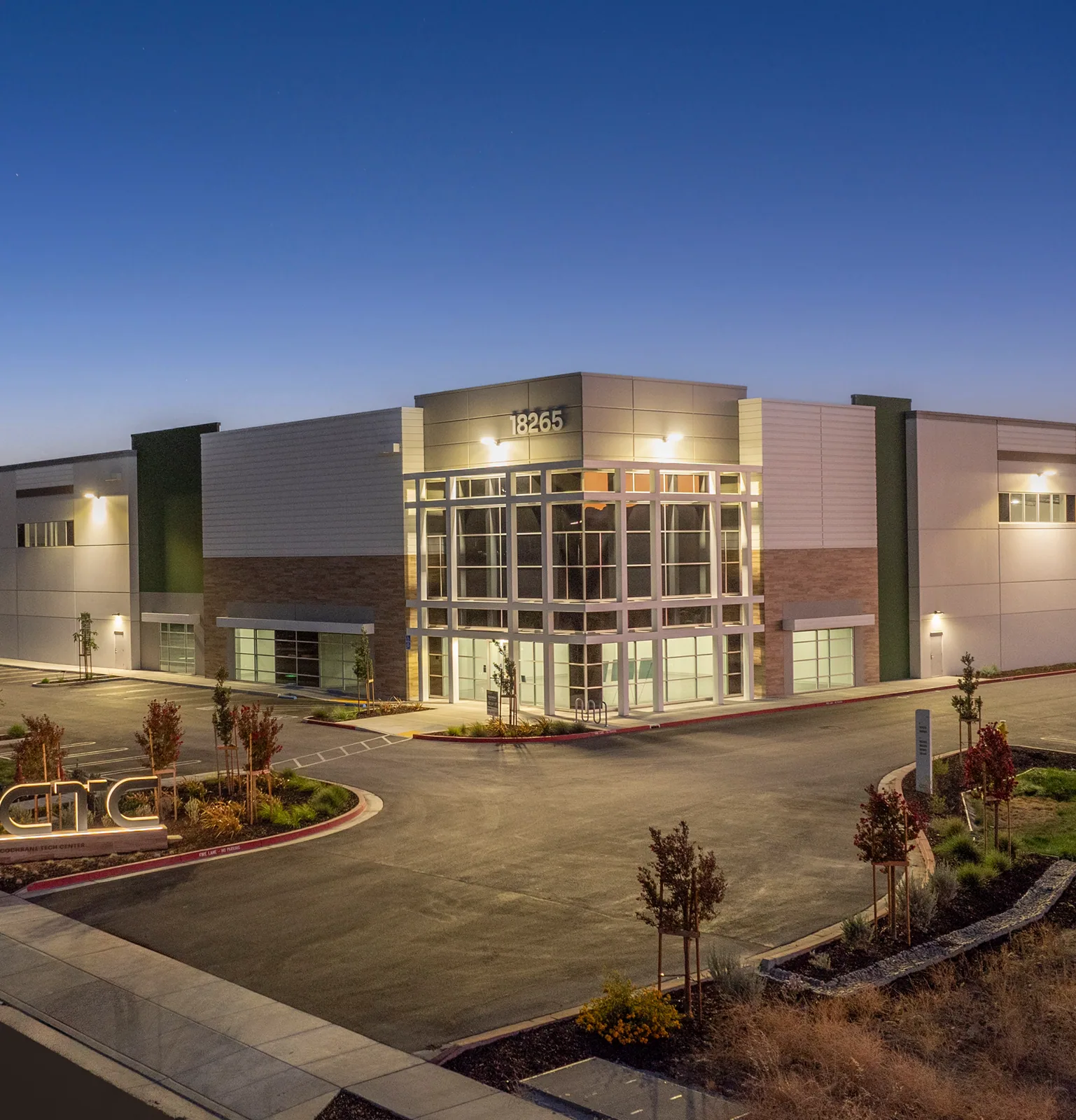 |
Inspect Exhausts and Roof Openings
Kitchen exhaust equipment creates a roof opening where flashing has to remain secure through vibration, weather and service access. We check the curb base, corners, seams and nearby membrane for separation, patch failure or damage from maintenance traffic. We also inspect other openings such as plumbing vents, conduit and abandoned lines. A ceiling stain may be away from the actual entry point, so we compare the interior report with the roof plan and nearby details.
Grease handling and hood cleaning remain the restaurant’s responsibility, but roof conditions around exhaust equipment can be documented during an inspection. We do not clean or operate kitchen systems. If a test opening would help determine whether insulation is wet, we explain its location and restoration before proceeding. Where multiple details show recurring failure, a replacement assessment can compare the repair boundary with a broader scope and phased work sequence.
Fit the Work Between Service Periods
Restaurant schedules often include deliveries before opening, busy meal periods, vendor visits and cleaning after close. The manager identifies quiet windows, loading access, customer entrances and areas where dust or noise would affect service. We plan material staging away from food deliveries and confirm the path from the roof hatch to the work area. A larger roof project can be divided into sections with a known dry-in point before the next shift.
A leak above a dining room may need a different interior protection plan from one over a storage area. We ask the restaurant contact to identify surfaces, equipment and rooms that should not be entered without approval. For shared retail properties, the property manager may also coordinate neighboring tenants. A grocery roof adds refrigeration and receiving concerns, while hotel roofing involves guest areas and room schedules. We tailor the restaurant plan to the people working below the roof.
Check Drainage Near Exhaust Areas
Exhaust curbs, drains and roof travel paths often sit close together. We check for debris at strainers, water collecting near curbs, low spots in the membrane and flashing that has lifted at a corner. If a new layer is planned, we review drain height, overflow routes and edge details before setting the scope. The inspection also records any support or pipe penetration that appears disturbed after service work.
Rooftop equipment access may require a hood or mechanical technician to be present. The restaurant or property contact identifies who can authorize entry and whether equipment shutdown is allowed. Roofing crews do not operate cooking or ventilation systems. If a curb or support needs work outside the membrane repair, we describe it for approval. A dedicated equipment curb service can be coordinated with the roof scope, and drain and scupper work can address a confirmed drainage problem.
Protect Dining Areas and Deliveries
Before mobilization, we confirm roof access, check-in, fall protection, parking and where tools can be staged. The restaurant contact shares delivery times, waste pickup, event reservations and service periods that affect movement across the site. We agree which doors or walkways remain open and how any affected interior space will be protected. If weather changes, the crew secures the roof area before leaving and tells the contact what was completed.
Crossroads sits beside apartments and established neighborhoods as well as shops and restaurants; downtown properties may have loading and parking rules shared by several tenants. These local conditions can affect the route, but the site manager confirms the actual rules. The contact can also flag a catering delivery, private event or late-night cleaning window that changes the safest time to stage materials. We set those details in advance and update the manager if a roof condition changes the planned sequence. For a Crossroads restaurant roof visit, we ask where deliveries arrive and when the crew can move materials without crossing customer lines.
Record the Repair and Any Follow-Up
The closeout record identifies the leak area, roof detail, repair performed and any adjacent condition that remains unverified. Photos show the curb, seam or drain so a maintenance person can find it later. If testing found moisture, we note where the opening was made and how it was restored. That record gives the operator a clear basis for follow-up after rain or equipment maintenance.
For owners managing several locations, a roof condition report can group active leaks and future work by evidence. If replacement is needed, we can consider systems such as TPO roofing after reviewing the deck, attachment, insulation and exhaust layout. Send the Bellevue address, affected room, exhaust or equipment details, delivery schedule and roof records. We will document the findings and recommend the next practical step.
Commercial Roofing Questions
Can restaurant roof work happen before opening or after closing?
That may be possible if the property approves access and the crew has a safe staging route. We confirm prep, delivery and cleaning schedules with the manager before setting a work window. Larger projects may need several phased visits.
How do you check a leak near a kitchen exhaust?
We inspect the curb flashing, nearby membrane, seams and drains, then compare those details with the interior report. The entry point may be offset from the ceiling mark. If insulation condition is uncertain, we explain whether a test opening would affect the scope.
Do roofers clean grease from kitchen exhausts?
No. Hood and exhaust cleaning is handled by the restaurant’s qualified service provider. We inspect the roof membrane and flashing around the equipment and coordinate access with the responsible technician when needed.
Can you repair a restaurant roof without closing service?
Some repairs can be isolated from customer areas and scheduled around operations. The manager identifies routes, interior protection and equipment restrictions. We confirm the work boundary and stopping point before mobilization so the restaurant knows what to expect.
What should we provide before an inspection?
Share the Bellevue address, affected room, service and delivery schedule, roof access rules, exhaust equipment details and prior repair notes. Tell us whether a technician or escort must attend. We will confirm the approved route and visit window.