

Assess PVC roofing for Bellevue commercial properties by checking welded seams, chemical exposure, drains, curbs and the condition of the existing assembly.
A roof above a restaurant exhaust or process vent can show staining before the membrane gives way. For a Bellevue building, we check the PVC surface, welds, discharge areas and nearby flashing as one assembly, then identify whether the material is sound or needs repair. Crossroads has a strong retail and restaurant presence beside apartments and established neighborhoods, so work planning may need to protect both the roof and the active space below it. The first step is locating the exposure and tracing its path. | 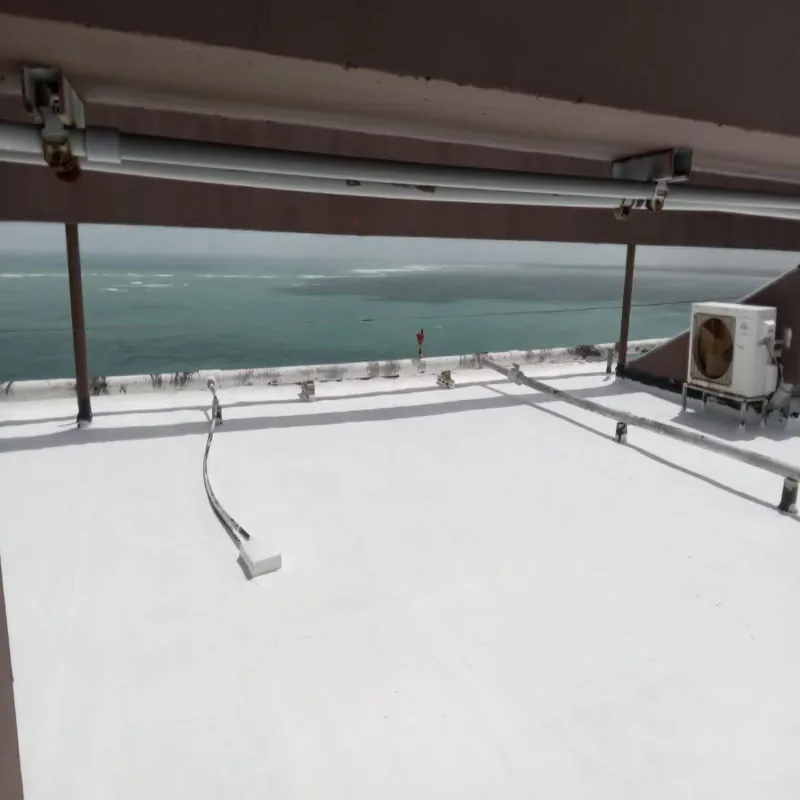 |
PVC Surface and Welded Seams
PVC is a thermoplastic single-ply membrane. Its field seams are heat welded, creating a continuous connection when the surface is clean and the weld is made under suitable conditions. We look for open laps, fishmouths, cuts, shrinkage, wrinkles and contamination. A seam probe can help locate a weak edge, but the inspection also follows the water path around corners, drains and penetrations. A defect at an exhaust base may need a different repair than a puncture in the open field.
PVC's formulation and system components vary, so we identify the installed product and follow its applicable repair procedures. We check whether oil, grease, solvents or other discharge has reached the membrane and whether the condition is ongoing. A patch cannot stop a continuing source of exposure. The manager may need to coordinate exhaust or process changes with the building operator while we define the roof repair. We document what is visible and what requires further testing.
Perimeter details connect the membrane to metal, walls and roof openings. We inspect edge securement, parapet corners, coping, drains and curb flashing. A penetration-flashing review can address skylight or vent transitions, while a drain inspection checks the outlet and surrounding membrane. A condition survey can record the full assembly before repair or replacement is considered.
Repair Boundaries and Moisture Checks
A localized cut or failed weld may be repairable if the surrounding sheet remains flexible, attached and clean enough for a compatible patch. We prepare the area and weld new material beyond the defect, then probe the connection after it cools. A patch that is too small can leave the same stress at its edge. The work record shows the repair boundary, nearby seams and any condition that could affect a later inspection.
Broad discoloration or a ceiling stain does not show how far moisture has traveled. We inspect the roof and use readings to identify candidate test locations when concealed layers are uncertain. A moisture survey can help focus openings; the test cut confirms the materials at the sampled point. If insulation is wet or the deck is deteriorated, replacement or removal may extend beyond the surface defect.
Where the membrane remains in service, small repairs can protect a sound assembly. If PVC seams are failing across several sections, attachment is compromised or moisture is widespread, we compare that evidence with a replacement plan. An overlay is a separate decision that requires review of existing layers, height at drains, and compatibility. A recover assessment can establish whether retaining any existing material is supportable.
Bellevue's Wet-Season Details
Nearby Sea-Tac normals show January precipitation of 5.78 inches and July precipitation of 0.60 inch. That seasonal contrast makes drain flow, welded seams and dry-in planning relevant before Bellevue's wetter months. It can also provide a broader summer window for membrane work, though the roof must still be dry and the forecast suitable. We use the actual site conditions to set a work date, not the normal alone.
Crossroads combines retail and restaurant uses with substantial apartments and neighborhood activity. On a roof there, we ask about exhaust paths, delivery schedules, pedestrian routes and access below the work area. If a nearby restaurant reports a roof leak, its interior location helps guide inspection but does not establish that exhaust caused it. We check the membrane, flashing and drainage before assigning a cause. A Crossroads roof visit should fit the property's own access and notice rules.
The Spring District is planned as a dense mix of office, housing, retail and public space served by light rail. A building in that district may have deliveries, active public areas or multiple property contacts to coordinate. We verify the site path for materials and keep a defined work zone. Those uses affect scheduling and protection; they do not tell us what membrane is installed or whether it is damaged. Records and the roof inspection settle those questions.
When a New PVC Assembly Fits
A replacement plan begins with tear-off limits, deck condition, insulation, attachment and drainage. We review the records, inspect edges and penetrations, and identify whether the roof can be opened in sections. If moisture is present, test openings show where removal should stop. The selected sheet thickness, attachment and detail package need to match the project design and building requirements. The proposal should identify field membrane, flashings, metal transitions and any work by other trades.
Bellevue adopted the 2021 International Codes effective March 15, 2024. Permit plans also need to follow Washington State and city amendments. We review applicable documents for the specific project and make sure the roof scope aligns with the approved design. That code edition does not identify the current roof condition, so field checks remain necessary before the assembly is selected.
Scheduling is part of the roof scope. We confirm hatch access, material staging, occupied areas, equipment service, noise limits and any shutdown window. A phased replacement keeps each open zone within the crew's ability to protect and close. When rain is expected, the exposed area is secured and the temporary tie-in is checked before the crew leaves. We communicate any changed condition to the manager before a new roof layer conceals it.
Keep the PVC Record Current
Closeout photos should show representative seams, drains, curbs, edge metal and repaired areas. We mark locations on a roof plan, note any test cuts and identify conditions that could not be inspected. That lets a facility manager compare future reports with the original condition and direct maintenance to the right zone. If a technician later installs equipment, the record can show which membrane details deserve a closer look afterward.
Regular observation helps catch open welds, debris at outlets and punctures before they become interior reports. A maintenance visit can document the drains and roof traffic routes. For a different thermoplastic option, TPO and KEE membranes use related but distinct materials and should be compared against exposure and system details. A rubber membrane has a different seam approach; we assess the existing roof before recommending any transition.
For PVC roofing in Bellevue, provide the property address, leak or staining locations, roof records, exhaust or process information and access window. We will inspect the membrane and details, record any testing needed and give the manager a defined repair or replacement scope.
Commercial Roofing Questions
Is PVC roofing suitable near a commercial kitchen exhaust?
The discharge and installed membrane determine whether the surface is compatible. We inspect for staining, softening and deterioration, then identify whether the exposure source also needs attention before repairing the roof.
How is a PVC seam repaired?
We prepare compatible material, weld it beyond the failed edge and check the finished connection after cooling. The repair boundary depends on how far the seam defect or contamination extends.
Can PVC be installed over an existing roof?
The existing roof must be checked for moisture, attachment, height and material compatibility. We document those conditions before comparing a recover with removal and replacement.
Does Bellevue's rain require a different PVC membrane?
A roof design and its exposures shape the material choice. We review the actual assembly and project documents, then compare the details needed for the building.
What should the proposal show for a PVC replacement?
It should identify tear-off, insulation, attachment, field membrane, flashings, metal transitions and work boundaries. We also note access, phased protection and any condition that needs confirmation when the roof opens.