

Get a photo-backed commercial roof condition report for Bellevue properties, with documented limits, repair priorities and follow-up recommendations.
A roof condition report should help a property owner decide what to do next. We inspect accessible roof areas, photograph visible conditions and organize observations by building and roof section. The report distinguishes confirmed defects from suspected moisture, notes access limits and describes whether testing could change the scope. That gives facilities staff and owners a usable record instead of a list of conditions without location or context. Downtown Bellevue’s offices and mixed-use buildings, Crossroads’ commercial center and BelRed’s evolving properties vary in access and roof history. Each report begins with the actual property and available plans. We also confirm the requested use of the report. We can coordinate a baseline with roof asset management when the owner needs consistent records across more than one address. | 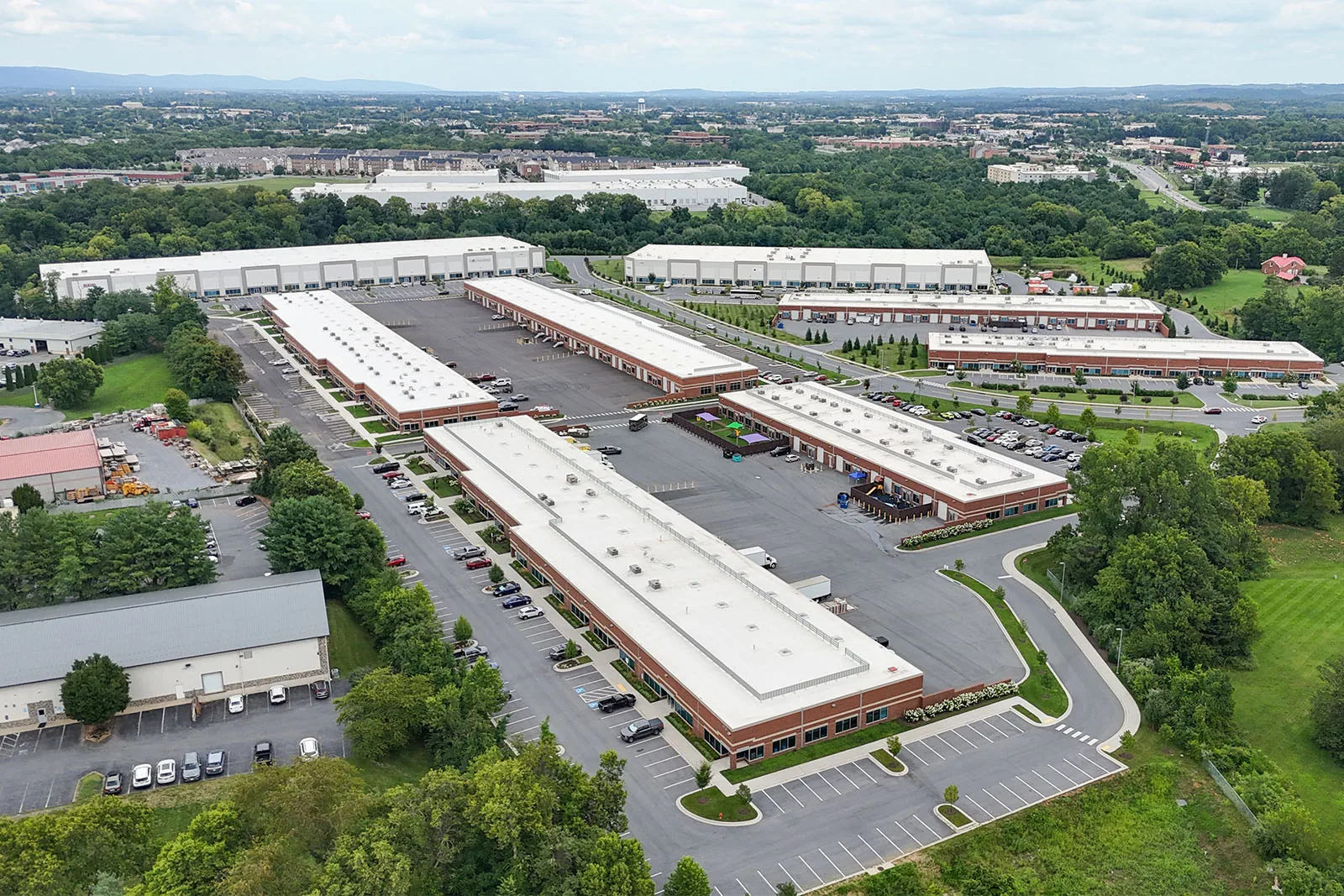 |
Define What the Inspection Covers
Before the site visit, we confirm the address, roof sections requested, available access and any areas that require an escort or separate approval. A report may cover one roof level or several; the limits are stated clearly. The requested scope can include only the areas available on the scheduled date, with exclusions identified. We review plans, prior service notes and maintenance history when supplied. If the building contains additions or different assemblies, those sections are labeled rather than folded into one general description.
During the walk, we observe accessible membrane, seams, drains, flashing, equipment curbs and edge details. We photograph representative conditions and tie images to a roof-zone reference or plan. A visual review cannot establish concealed deck conditions, moisture depth or the condition of an area that was not reached. Those limits appear in the report so a reader can tell what was inspected and where another method may be needed. We can note whether access was visual only, whether a drain or unit area was obstructed and whether the inspection followed an interior leak report. The scope can also identify the documents reviewed and the date they were provided. This gives the reader context for interpreting a photo or recommendation and helps prevent an old roof plan from being mistaken for a current as-built drawing.
Separate Active Repairs From Monitoring
Findings can be organized by location, observed condition, likely work type and next decision. An active leak or open transition may call for a repair scope. A stain with no visible roof opening may need further tracing or testing. A worn but dry area may be appropriate for monitoring, depending on the owner’s maintenance approach. The report does not treat every observation as equally urgent and does not convert a suspected condition into a confirmed defect.
Where a repair is recommended, the description identifies the affected detail and a practical boundary. A commercial roof repair can be evaluated against adjacent membrane and roof history. If the assembly shows broader deterioration, replacement planning can be considered as a separate scope. We note assumptions such as roof access, deck exposure, material compatibility and testing so the owner understands what could change the work.
Make the Photo Record Easy to Follow
Photos are most useful when the report identifies what each image shows and where it was taken. We can pair a roof overview with close images of a seam, curb, drain, edge or patch. A label can include the building, roof section and direction of view. If interior photos were supplied by the owner, they are kept distinct from roofing observations. This helps another reviewer compare the reported area with roof evidence without assuming the camera angle proves a leak path.
If a condition is hidden by equipment, standing water, snow, restricted access or temporary protection, we state the limitation. A return visit or test opening may be proposed when it would answer a specific question. If an opening is approved, the report records where it occurred, what was found and how the area was restored. A dated sequence can show whether work was completed or remains pending. When an earlier image is available, we can place it alongside the current observation and label the comparison date. We do not imply that a visual difference alone proves deterioration or repair failure; the notes explain what changed in the observable area and what the owner may want to verify next.
Use the Report Across Bellevue Properties
A report for a Downtown Bellevue office may need roof-zone references that connect with tenant and facilities records. A BelRed property may combine former warehouse use with offices, creative businesses or institutional space as redevelopment continues. A building in Crossroads can have commercial space beside residential areas. The report captures the site details relevant to the inspection, while the owner provides operating rules, contact names and internal asset identifiers.
For an inspection in Crossroads, we confirm the actual building, roof route and property contact. A multi-site owner can use multi-site roof programs to coordinate visits and a capital planning review to organize repair and renewal decisions. Each address still receives its own findings, photos and limits, so portfolio summaries do not hide building-specific issues.
Turn Findings Into an Action List
The finished report can list immediate repairs, testing, monitoring and records that the owner should obtain. Each item names its roof location, observation and proposed next step. If no work is recommended in a section, that statement is limited to what was visible during the inspection. The report can also include a date for reconsideration when weather, access or tenant schedules prevented a complete review. An action owner can be identified for each item when the client supplies its responsible contact, making it easier to track repair quotes, testing approval and records still needed.
A roof capital planning discussion can use the findings while the owner sets funding priorities. If the property is being acquired or refinanced, a due-diligence survey may ask for additional records or scope assumptions. Send the address, roof plans, known service history and access requirements. We will return a report that makes observations, limitations and next steps easy to review.
Commercial Roofing Questions
What is included in a roof condition report?
The report can include accessible roof areas, photos, observed defects, repair or testing recommendations, and inspection limits tied to specific roof sections.
Can a visual roof report identify hidden moisture?
A visual review alone cannot establish concealed moisture depth. We state when testing may be needed and what question an approved opening could answer.
How long does a report take?
Timing depends on roof size, access, records and the number of locations. We confirm the expected scope after reviewing the property list and site requirements.
Can the report support a capital budget?
It can organize observed condition and next steps for owner review. Funding priorities, timing and budget decisions remain with the property owner.
Can you inspect multiple Bellevue buildings?
Yes. We can coordinate several properties and keep each report tied to its own address, roof sections, photographs and access limits.