

Review KEE roofing for Bellevue commercial buildings. We check membrane condition, welds, chemical exposure, drainage and repair compatibility before work.
A scuffed membrane near a rooftop exhaust deserves a closer look before anyone assumes the sheet has failed. In Bellevue, we identify whether the roof is a KEE-modified PVC system, inspect the field and seam welds, and check the exposure around equipment. An Eastgate office roof may have a different service route and operating schedule than a mixed-use property in the Spring District. We document the actual roof and use before setting a repair boundary or comparing replacement systems. | 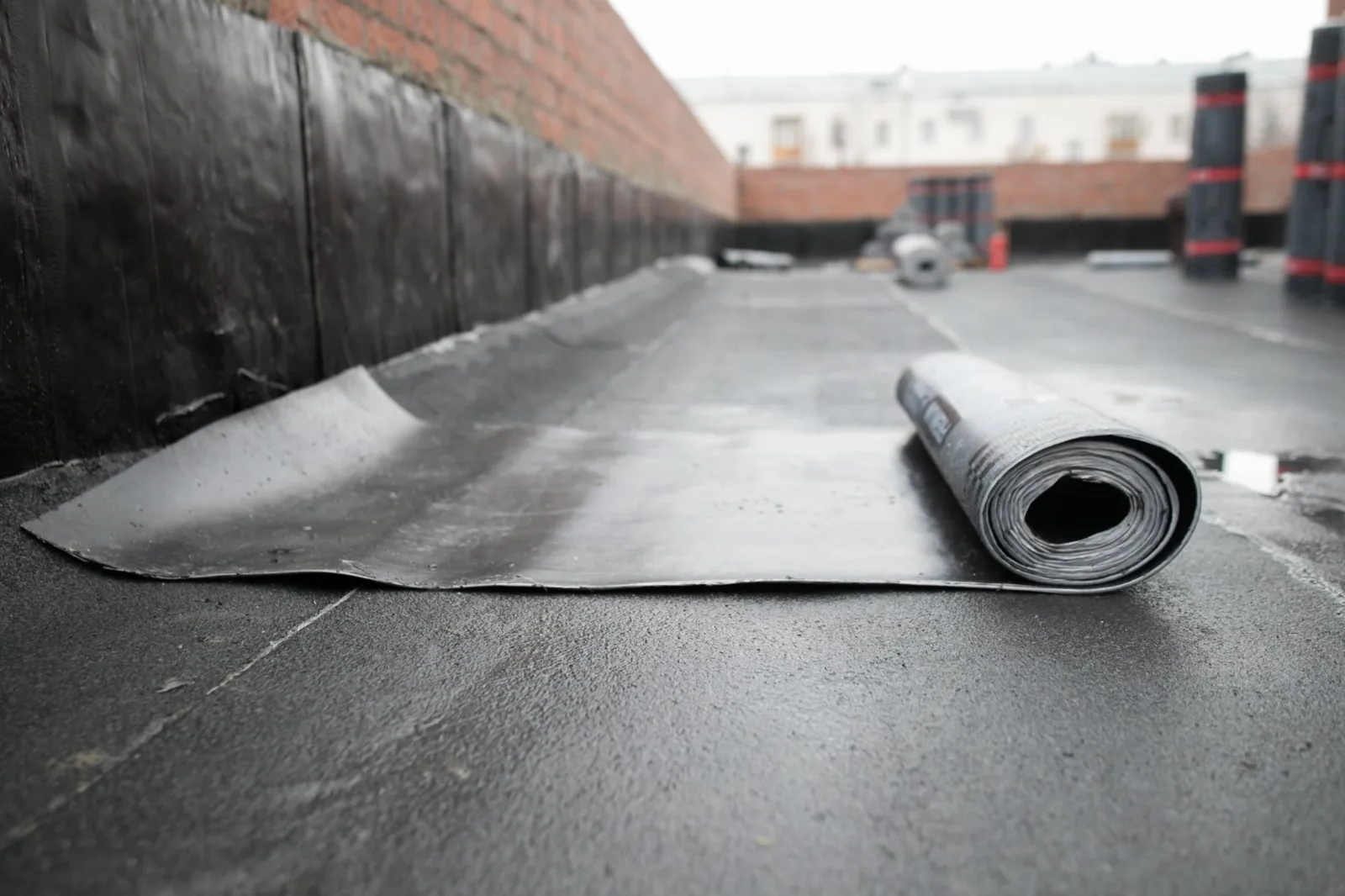 |
Where KEE Fits
KEE is a PVC membrane formulation that incorporates ketone ethylene ester into the sheet. The system still relies on compatible accessories, sound attachment and well-made hot-air welds. We inspect the membrane for cuts, splits, surface wear, open seams and previous patches, then compare those findings with the roof records. A product name on a plan is a starting point; the installed sheet and detail materials need field confirmation.
Exposure can change how a roof surface ages. Exhaust discharge, grease, oils, cleaning products, rooftop traffic and equipment vibration may affect an area differently from the open field. We look for a visible path from the source, note any continuing discharge and check whether the adjacent seam or flashing has changed. The roof plan records the location so the building contact can coordinate any source-control work with its operator.
Welds and transitions need to remain compatible with the installed membrane. We probe suspect laps, inspect curb corners and check drain details for wrinkles or contamination. A roof condition survey can show where the material remains sound and where additional testing is justified. At a penetration, a flashing assessment can distinguish a roof seam problem from a failed curb or boot.
Repair Without Spreading the Failure
For a repair, we clean and prepare the area, remove unsound material and weld compatible KEE membrane beyond the defect. A finished patch should not end at a cracked edge or leave a contaminated strip under the new sheet. We inspect the weld after it cools and document the repair location. If the membrane has been exposed to a substance that remains present, repairing the roof alone may not stop the condition from returning.
A stain below a KEE roof does not tell us the size of the wet area. Water can move beneath the membrane or along insulation joints before it reaches the ceiling. We map the interior report to the roof, follow seams and transitions, and use readings to select test-cut locations if needed. A moisture survey can organize that investigation, while a drain review checks whether water is being held against the suspected zone.
Repeated weld failures, broad surface wear or wet insulation may make isolated repairs less useful. We compare the total findings with a replacement scope and document whether a recover option fits the existing layers. The proposal identifies what is known, the areas tested and the conditions that still require confirmation before the owner chooses a larger assembly.
Moisture, Temperature and Work Timing
Sea-Tac's normal snowfall totals 6.3 inches a year, with 1.8 inches in January and 2.2 in February. Those modest totals leave rain path, membrane laps and wet insulation as more frequent inspection concerns for a Bellevue KEE roof. We check the roof itself and confirm the forecast before a weld or repair is scheduled.
Nearby winter normals sit near 42 degrees Fahrenheit for daily mean temperature, with overnight averages in the upper 30s. That means wet details may be close to freezing on some nights, while the city's normal snowfall is modest rather than a heavy-snow pattern. We inspect seams, drain bowls and edge transitions instead of treating a regional climate figure as a condition report. If the roof has a specific design load requirement, the project documents establish the criteria.
The Spring District is planned for dense office, housing, retail and public-space uses. That mix can affect delivery timing and below-roof protection during membrane work. At Spring District sites, we confirm the route for materials and which building contacts need notice. Weather planning and site access work together: a section should open only when it can be protected and closed within the approved window.
KEE, PVC and Other Membranes
A KEE roof is not automatically the right material for every building. The owner should compare the current surface, exposure, attachment, drainage, repair record and expected use. PVC roofing uses a related thermoplastic membrane family, while TPO roofing has a different formulation and system details. A rubber membrane uses a different seam method.
In Eastgate, Bellevue College sits among office and commercial development near I-90. The Eastgate service area includes different property arrangements, so we ask about the specific building contact, hatch access and loading constraints. Those details help set the work sequence without assuming what is installed overhead.
Preparing a New KEE Assembly
Replacement begins with roof sections, tear-off limits and a plan for keeping the building dry. We review deck and insulation conditions as layers come up, then correct unsuitable areas before the new assembly is installed. Attachment and perimeter securement follow the project design; welds, corners, drains and penetrations receive checks as the work advances. If the deck condition changes the scope, we document the location before closing it.
For Bellevue permit work, the 2021 International Codes have applied since March 15, 2024, alongside Washington and local amendments. We align the specified KEE details with the project's approved documents. Inspection and selective openings establish the existing substrate and layer condition.
Each workday ends with a secure roof condition. We stage membrane and insulation so materials remain protected, keep drains open and close active areas with a compatible temporary tie-in if permanent work must pause. The manager receives updates on the completed zone and the next step. On occupied properties, we coordinate hatch access, tenant notice, equipment operation and any restricted loading window.
Maintenance and Roof Records
Closeout should identify the membrane, attachment approach, repair locations, testing and any area left unverified. Photos of welds, flashing, drains and edge metal give the manager a baseline for the next roof walk. If another leak appears, the record helps locate whether it is near an earlier repair or a different penetration. We label observations by roof zone rather than rely on a general description of the building.
Follow-up visits can check seam edges, curb corners, drains and places where service crews walk. A maintenance inspection can also note a new exhaust or conduit that changes the exposure. For a Bellevue property with several roofs, the manager can keep records with the building plan and compare findings across visits, while preserving the access requirements for each site.
For a KEE roof in Bellevue, send the address, system or product records, leak history, known exposure, roof plan and access window. We will inspect the sheet and transitions, document the material condition and outline a repair, recover or replacement path based on the field evidence.
Commercial Roofing Questions
How is KEE different from standard PVC roofing?
KEE is a PVC alloy formulation with a different sheet composition. We confirm the installed product and compare the project requirements, exposure and repair instructions before recommending a detail.
Can a KEE membrane be repaired after chemical exposure?
The exposure source and surface condition need inspection first. We check whether the material remains suitable for a weld and whether the discharge or contact will continue after the repair.
What confirms a weld is sound?
A clean, continuous seam and a field check after cooling provide useful evidence. We inspect the full joint and nearby details because an isolated probe point cannot establish the condition of every lap.
Does KEE work well in Bellevue's wet season?
A sound membrane and well-closed details are needed in any wet climate. We inspect the roof, keep drains clear and use current conditions to plan opening and tie-in work.
Can KEE be installed over another roof system?
Existing layers, moisture, attachment and added height all need review. We inspect the assembly and compare recovery with removal before describing a new KEE installation.