

Evaluate modified bitumen roofing in Bellevue by checking cap sheets, laps, blisters, flashing, insulation and drainage before setting a repair scope.
A blister beside a roof drain may look small while hiding a loose bond or moisture below the cap sheet. For a Bellevue building, we inspect the modified bitumen surface, lap joints, flashings and low areas before deciding what to open. The nearby cool season carries more rain than summer, so water held at a seam can be tested repeatedly. We locate the defect, check surrounding layers and set a repair boundary from the roof evidence, not the size of the interior stain. | 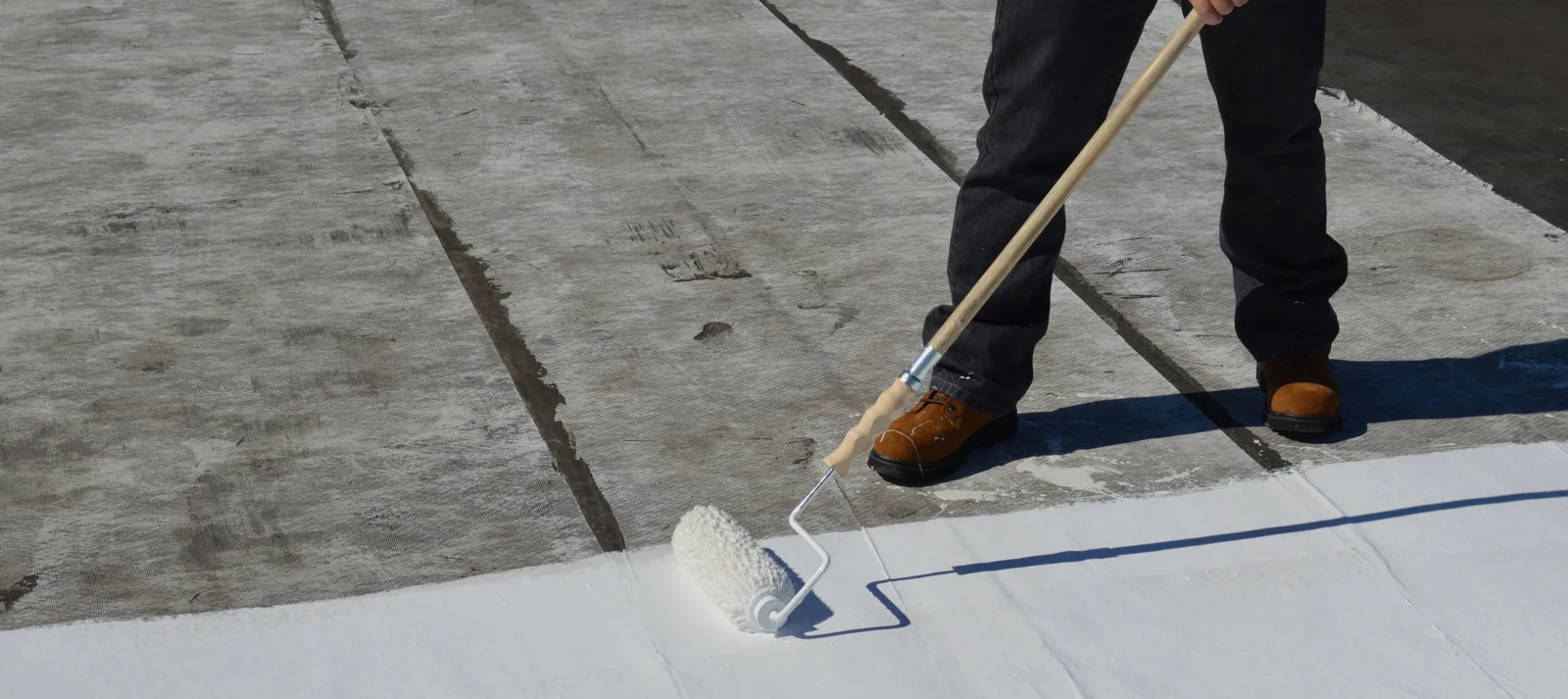 |
Layers, Laps and Surface Wear
Modified bitumen is an asphalt-based sheet roofing system, commonly installed in layers with a base sheet and a surfaced cap sheet. The assembly may be built with torch-applied, hot asphalt, cold adhesive or self-adhered components, depending on the product and design. We identify the installed roof from records, seams, surfacing, flashing and exposed edges.
We look for open laps, splits, loose granules, blisters, ridges and patch edges that no longer bond. A blister should not be cut without understanding what is under it. The area may involve trapped air, moisture or adhesion failure, and opening it can expose the assembly to rain. We document the surface and use targeted testing when needed to check insulation or deck conditions below.
At drains, curbs and parapets, each sheet layer must turn into a secure flashing detail. We check whether the lap has opened at a corner, whether a drain bowl is holding water and whether metal termination remains secure. A drainage review can check the outlet and nearby low spot. For a pipe or curb, a penetration detail inspection can define where flashing repair meets the field sheet.
Moisture and Repair Limits
A roof leak investigation compares the interior report with seams, transitions, drains and areas where water can travel beneath a sheet. We ask when the leak appeared, what weather was present and whether the ceiling changed after rain stopped. That sequence helps us choose where to inspect, but a room location alone does not identify the opening. We record the suspected path and the evidence that supports it.
Infrared readings can highlight a roof zone for further review, but temperature variation is not a confirmation of wet insulation. Test cuts reveal the materials at sampled locations and help establish whether the insulation or deck is affected. A moisture survey can organize readings and openings. We mark the test locations and explain which areas remain untested so the owner can assess the reach of the findings.
If the defect is isolated and the surrounding sheet is bonded, a compatible patch may restore the detail. A broad pattern of open laps, repeated blisters, wet layers or deteriorated deck may call for larger work. We compare repair areas with a repair plan and a replacement scope. The written options identify removal limits, substrate work and any conditions to verify as the roof opens.
Bellevue Roof Exposure and Scheduling
Sea-Tac's normal annual precipitation is 39.34 inches, with wetter months concentrated in the cool season. Repeated runoff can test cap-sheet laps and drain details on a Bellevue BUR or modified bitumen roof. We size each open work area to what can be dried in that day and check the actual roof before using adhesive.
Factoria is part of Bellevue's Eastgate and Factoria business district, where offices sit in a suburban, park-like setting and the city identifies a mall redevelopment project. Commercial sites may have a tenant loading route or shared parking that influences material delivery. At a Factoria property, we confirm the roof hatch, staging area, delivery window and any route used by visitors before mobilizing. Those details help keep the work contained while the roof is open.
Crossroads combines retail, restaurants and services with apartment complexes and established neighborhoods. A roof repair there may need notice around customer access or occupied rooms below. We confirm which doors or sidewalks need protection and how debris will leave the property.
Patching and Rebuilding the Detail
A repair begins with a stable substrate and a defined edge. We remove loose surfacing or failed sheet to reach material that can accept the repair, then prepare the area according to the system. New bitumen sheet is integrated at the lap, with flashing built up at the transition. If moisture extends beyond the visible defect, removal continues only after the manager sees the finding and agrees on the added scope.
Application method requires attention to the work area and surrounding building. Where heat or fumes are involved, the project plan needs appropriate fire controls, air-intake awareness, monitoring and a safe access route. We confirm the process, permit requirements and building restrictions before starting; staff receive the work area and access changes.
For a broad replacement, we review the deck and insulation as the old roof comes up, then install the approved base and cap layers with secure transitions at drains, walls and edges. The Bellevue permit plans must follow the 2021 International Codes adopted effective March 15, 2024, plus state and city amendments. We coordinate the specified assembly with project documents. The code does not establish existing roof condition; inspection and openings do.
Compare Sheet Systems
Modified bitumen can suit some low-slope roofs, but the best assembly depends on the building and project requirements. A built-up roof layers felts and asphalt, while TPO and PVC use thermoplastic sheets with welded seams. A rubber membrane uses different joint details. We compare the actual roof, drainage and access requirements rather than choose by material label alone.
Bellevue College sits among commercial and mixed-use development near I-90 in Eastgate. A building's use and access route can affect staging, but the property name does not establish its roof layers. We verify the installation from the roof records and field inspection. If an owner is planning an expansion or equipment change, we identify any new curb, penetration or drainage work that needs to be coordinated with roofing.
Closeout and Later Maintenance
Closeout should identify the sheet layers installed, repair areas, flashings, drain details and any roof section left for monitoring. Photos show seams and transitions before they are covered, and the roof plan marks where openings or deck work occurred. If a later water report arrives, the manager can compare it with the repaired zone and inspect a different route if conditions point elsewhere.
Routine checks can find loose laps, surface cracks, debris at drains and impact damage before repeated moisture reaches the assembly. A maintenance visit can also document any later mechanical work that changed a roof penetration. At a property in Crossroads, coordinating access with retail or apartment operations can make the roof review fit the building's schedule.
For modified bitumen roofing in Bellevue, send the address, leak room, roof records, repair history, drain concerns and preferred access window. We will inspect the sheets and details, test uncertain layers where appropriate and explain a repair or replacement path with a clear work boundary.
Commercial Roofing Questions
Can a blister in modified bitumen be patched?
We first check whether the blister is dry, bonded around its edge and isolated from other defects. The repair method follows the surface condition and system; cutting into an area without that check can expose wet layers.
How do you tell whether insulation below the cap sheet is wet?
A test opening confirms the layers at that point. Infrared readings can help choose locations, but we document the sample limits and identify any roof area that remains closed.
Which modified bitumen installation method will you use?
The specified product, substrate, site restrictions and project documents guide the method. We identify whether the scope uses heat, adhesive or self-adhered material and plan the necessary safety controls.
Can an older modified bitumen roof be recovered?
Existing layers, moisture, deck attachment, drain height and material compatibility all need review. We document those conditions before comparing recover with removal and replacement.
What roof details deserve attention before Bellevue's wet months?
We check laps, drain bowls, scuppers, curbs, parapets and temporary tie-ins. A low spot or open edge can repeatedly expose the same area to rain, even if the main field sheet appears intact.