Warehouse roofing in Bellevue starts with membrane, drains, equipment access and loading schedules. We document repair, recovery and replacement choices.
A wet track beside a warehouse drain can remain after rain. In Bellevue, the cool season brings most normal precipitation, so a roof walk should follow the path from drain bowl to membrane lap, curb and interior mark. We inspect the reported bay and adjacent field for standing water, open seams or wet insulation. That ties the repair boundary to roof evidence. Warehouse work has to fit the building’s use. BelRed includes former warehouse properties among offices, creative businesses and institutional spaces. The regional Sea-Tac cargo area includes cargo facilities and logistics development. A manufacturing plant roof can have a different equipment and shutdown profile. Both settings may have loading routes, rooftop equipment and occupied areas that affect staging. We ask for the Bellevue address, access route, leak history and operating window before setting a visit. Then we can compare commercial roof repair with broader work if the evidence supports it. | 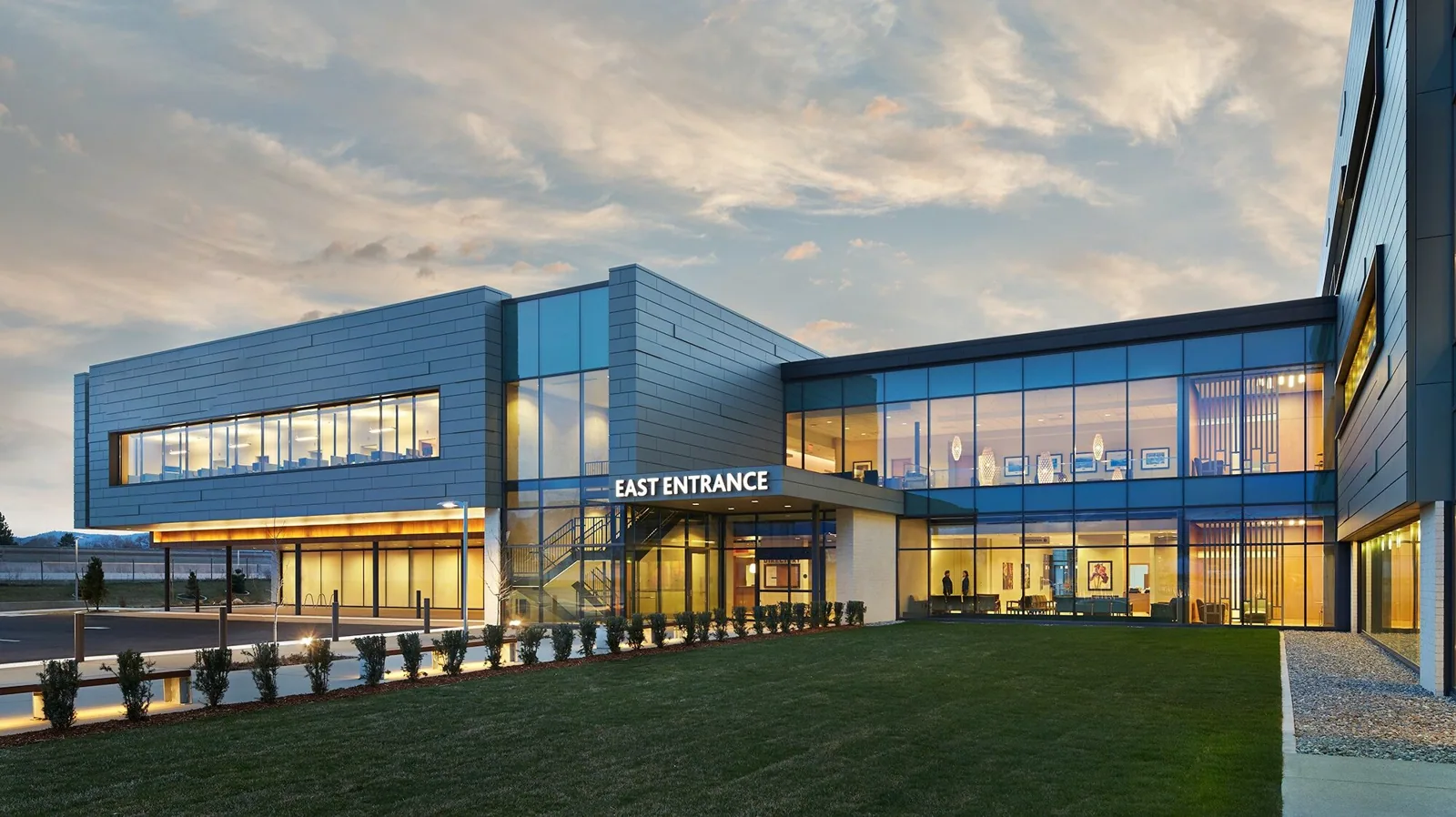 |
Follow the Water at the Bay
Warehouse roofs often carry a broad membrane field with drains, curbs, skylights, ducts and service paths crossing it. We start at the room or rack area the manager identifies, then match it to roof drains and details above. If the path is unclear, we note whether a test opening or interior access is needed.
At the roof, we check the drain strainer, bowl, nearby seams, pipe boots, curb corners and perimeter metal. A wet mark does not prove the whole roof is wet. Infrared screening can prioritize test locations across a large field, but a temperature pattern is not confirmation. An infrared screening should be followed by openings where the insulation condition will change the scope.
Set a Defensible Repair Boundary
A sound boundary matters when a leak sits near stored product or a loading area. We document the visible defect, check adjacent membrane and flashing, and note which parts of the assembly have been verified. A puncture in otherwise sound material may need a compatible patch. Several failed laps, widespread wet insulation or a loose perimeter can call for broader work. We explain the finding and its limits so the manager can decide what needs attention now and what belongs in a planned project.
Before choosing a recover, we need to know the existing layers, whether deck and insulation are dry enough, how the membrane is attached and whether added height interferes with drains, doors or edge metal. A recover is not simply a way to cover a leak. We use roof records and test openings where needed, then review attachment and details at curbs and parapets. For a building that also handles distribution, compare the loading and roof-access sequence with our distribution center roofing approach. If removal is indicated, our replacement scope identifies the tear-off area, deck review, dry-in sequence and approval point for concealed conditions.
Protect Drains and Equipment Details
We check the surface around it, identify depressions that collect water and look for insulation that has compressed. When a new membrane or cover board changes finished height, the drain connection has to meet it. A drain and scupper review can distinguish a membrane defect from a drainage issue that keeps testing the same area after each storm.
A new exhaust fan, refrigerant line or conduit can leave an unfinished curb or sealant joint. We inspect the base flashing and roof surface around each item, then coordinate a safe access window with the facility contact. Equipment shutdowns, lift access and loading traffic belong in the work plan when they affect the crew’s path. Our curb and equipment work can be scoped beside the roof repair when both involve the same opening.
Stage Work Around Operations
A warehouse can stay active during roof work if the work area, material path and interior protection are agreed in advance. We confirm the hatch or ladder route, delivery location, roof rules, loading schedule and rooms that cannot take dust or vibration. For a repair, the crew can isolate a small zone and restore it within the planned shift. For larger removal, each daily boundary needs time for tear-off, deck review and dry-in, with a secure stopping point if weather changes.
BelRed’s mix of former warehouse properties, offices and institutional uses makes its operating patterns different from a single-use industrial site. At a cargo-area property, the facility contact identifies truck routes, loading periods and shift windows that roof work must respect. We do not assume sites share one access process. We ask for the property’s own rules, then identify where materials are staged, when a roof section is open and how it will be protected before we leave. That gives operations staff a specific handoff instead of a broad promise about disruption.
Leave a Useful Roof Record
We provide photos of the defect, repair limits, drain and curb details, and any area that still needs observation. If a test opening found wet insulation, closeout should say where it was found and whether nearby areas were checked. That record helps the next roof walk follow the same points instead of starting with an incomplete service note.
A roof condition report helps compare maintenance, repairs and capital work without treating every defect as a full replacement. If the membrane is approaching a broader decision, the new system should suit the deck, attachment, drainage and building use. We can compare TPO roofing with other assemblies after existing conditions are known.
Send the Bellevue address, leak location, roof plan if available, prior repair notes and access window. If water is entering now, our emergency line is staffed around the clock, including nights and holidays, so the first visit can focus on protecting the building and locating the active path.
Commercial Roofing Questions
How do you find a leak above a warehouse bay?
We start with the room or storage area where water appears, then compare it with drains, seams, curbs and penetrations above. If the roof does not show a clear entry point, we document likely paths and decide whether a test opening or interior access is needed. The repair boundary follows confirmed conditions, not only the ceiling mark.
Can one wet roof area be repaired without replacing the full roof?
A localized repair may work when the surrounding membrane, attachment and insulation remain serviceable. We check adjacent seams and confirm how far moisture extends before pricing the work. If repeated failures or wet layers continue beyond the first test area, we explain why the boundary may need to grow and price that next step separately.
What makes warehouse roof work take longer?
Access rules, stored materials, truck traffic, equipment shutdowns, wet insulation and deck repairs can all affect the sequence. We ask for the loading schedule and safe roof route first, then divide the work into sections that can be protected before the crew leaves. Rain can also shorten the open-roof window during Bellevue’s cool season.
How do you decide whether to recover a warehouse roof?
The existing layers have to be dry and stable enough for another assembly, and the new height must work at drains, doors, curbs and edges. We review roof records and use test openings where the condition is uncertain. If moisture or attachment problems are broad, removal may provide a better defined repair and deck review.
Can roof repairs happen while shipments continue?
Often, if the facility identifies a safe work zone and a delivery path clear of loading activity. We coordinate the hatch, material staging and shift window with the building contact. The crew keeps repairs within the approved area and secures the work before access is handed back.