Commercial roof inspections, repair planning and replacement reviews for BelRed offices, creative businesses and former warehouse buildings.
BelRed is Bellevue’s innovation and arts district. The area developed from a former warehouse district and now includes more than 100 creative businesses and nonprofits, alongside the Global Innovation Exchange and Meta campus. A commercial roof project here should begin with the individual building, its current use and its service history. We inspect accessible sections, document seams, drainage, curbs and edges, and define what can be repaired or needs further testing. Bellevue’s nearby lowland climate reference records about 39 inches of annual precipitation, with the cool season substantially wetter than July. Roof drainage and protected transitions are worth checking in that context, while the actual source of a leak must be established on site. We start with the property’s roof record and access plan before recommending commercial roof repair. | 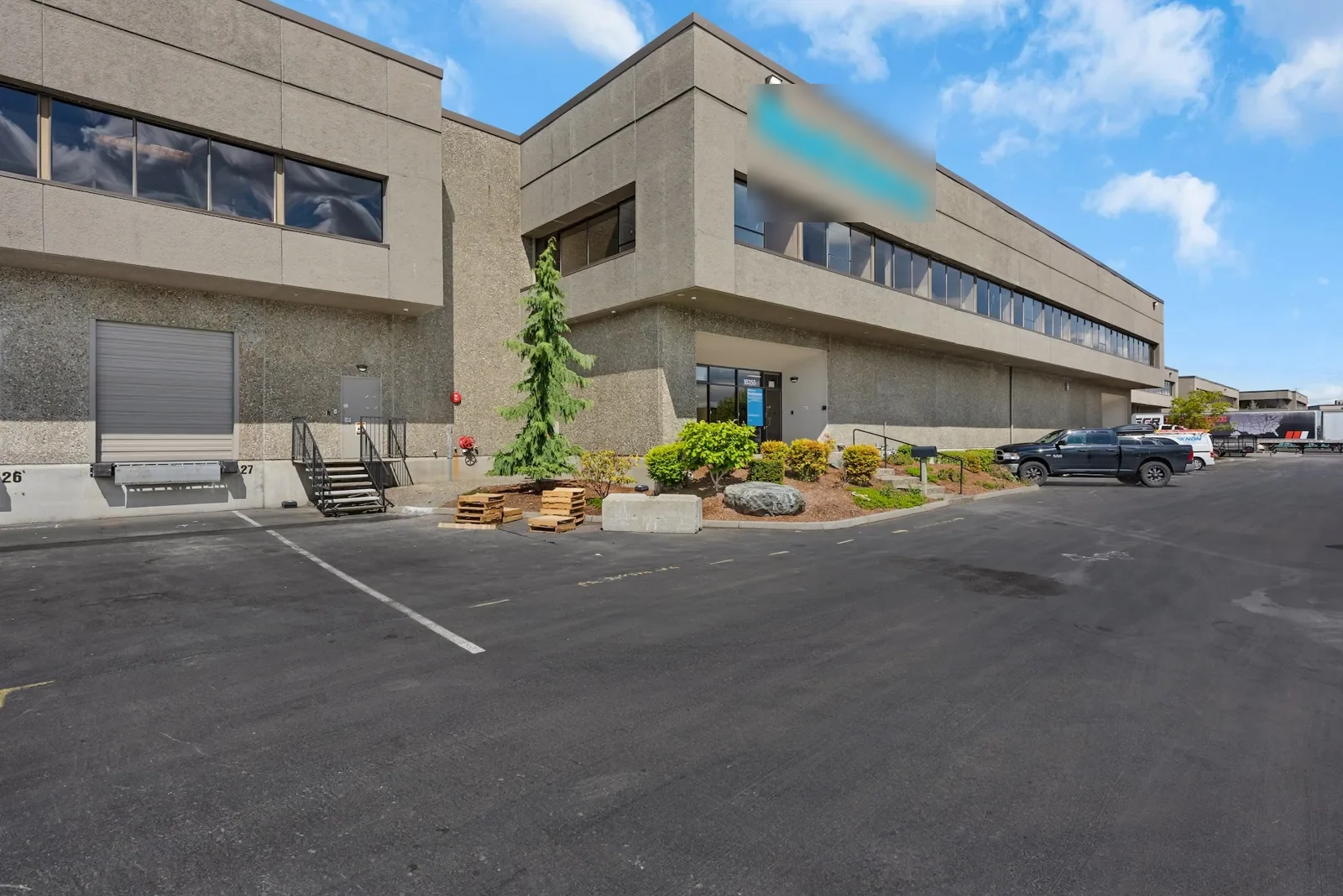 |
Understand the Property Before the Roof Walk
The owner or facility contact identifies the address, roof route, current occupants and area where a leak or other condition was reported. We ask whether the building retains a warehouse-era roof section, has been altered, or contains an addition with different materials. Those details come from the property record and field visit, not from the district’s history alone. We inspect what is accessible and label each area so that a repair note is tied to the right roof plane.
BelRed’s innovation and arts uses can include businesses and nonprofits with different operating hours. The property contact sets check-in, escort, parking, equipment and photography rules. We confirm whether materials may be staged on site and which entrances need to stay open. If a tenant space requires notice or an interior inspection, that coordination is arranged before work begins. An area that cannot be reached is identified as a limit, not reported as clear.
Inspect the Assembly and Roof Transitions
We review roof seams, drains, overflow paths, curbs, penetrations, parapets, perimeter metal and any visible prior repairs. A warehouse-era section and a newer addition may meet at a transition where the roof height, substrate or material changes. We document those junctions and compare them with available plans. If the interior report does not align with a visible roof opening, we note that water can travel through an assembly and identify whether additional testing would clarify the path.
Cool-season precipitation in Bellevue is higher than midsummer rainfall, while occasional freezing conditions may affect water at a roof edge or drain. That climate context guides what we look for; it does not establish that a particular BelRed building has drainage damage. We photograph standing water, blocked outlets or open details when present and describe the location. A roof condition report can organize those observations and state which areas were not tested.
Coordinate Roofing With Transit-Oriented Redevelopment
BelRed includes transit-oriented redevelopment around the district’s commercial and institutional activity. The property contact can identify construction boundaries, visitor routes, deliveries and work hours that affect roof access. If an adjacent project or another trade shares the service area, the superintendent confirms staging, crane or lift windows and who controls equipment or penetrations. We do not assume that district-wide redevelopment sets the schedule for an individual roof; the building’s approved logistics plan does.
When work is phased, the crew and property representative agree on the daily secure point, weather protection and status contact. A roof section should not be left with an open transition simply because another trade is delayed. The plan can identify which section is ready, which dependency remains and who can approve a resequence. This gives businesses and tenants a specific update on the work area without overstating what has been completed.
Choose the Scope From the Observed Condition
A split seam, failed curb flashing or damaged edge may support a local repair if the surrounding material can hold the tie-in. If several details show deterioration or concealed moisture could change the work, additional testing or a broader review may be needed. We describe the evidence behind each option and avoid treating a single leak report as proof that the full roof needs replacement.
If renewal is being considered, the scope should review existing layers, attachment, insulation, deck condition and finished elevations at drains and curbs. A replacement assessment can explain removal boundaries and daily dry-in. TPO roofing or another system can then be reviewed against the building’s use and project requirements. The owner can compare estimates when each includes the same roof area, assumptions and access limits.
Plan Access for BelRed Buildings
The Global Innovation Exchange and Meta campus are recognized institutions within BelRed’s transit-oriented redevelopment. Their presence does not establish the condition or use of another building, so we confirm the property’s own contact and entry procedure. We plan around active occupants, shared loading, site check-in, material delivery and restrictions near equipment. If roof access changes during construction, the approved route and new work window are confirmed with the building representative.
Owners with more than one Bellevue location can coordinate a separate review in Spring District or Downtown Bellevue, with each site retaining its own findings. A multi-site roof program can organize visits while preserving property-specific records and approvals.
Document the Work for the Next Property Review
Closeout records identify the roof section, observed condition, completed repair, photos and items that remain unverified. If testing found moisture or deck damage, the report notes where it occurred and how the area was restored. If a roof plane was inaccessible, the limit and any return visit needed are stated. The property can retain the file with service tickets and plans so later inspections can compare the same areas.
BelRed’s former warehouse history and current creative, institutional and commercial activity make it useful to keep a clear record when a building changes use or receives an addition. The owner should retain its own construction and maintenance facts rather than infer them from the district. Send the address, roof plan, leak notes, prior repair records and access requirements. We will document the building-specific condition and the next action supported by the inspection.
Commercial Roofing Questions
Do you provide commercial roof repair in BelRed?
Yes. We inspect the property and document the reported roof area, visible defects and access limits before defining repair work.
Can you inspect a former warehouse roof?
We can review accessible roof sections and compare them with available plans and service records. A building’s history does not establish its current roof assembly.
What if our building is part of an active redevelopment area?
The property contact confirms construction boundaries, site access and work hours. We coordinate the roofing schedule around those approved site requirements.
Can you tell where a leak entered?
We compare the interior report with roof details and document what is visible. If the water path remains uncertain, we identify testing that may answer the question.
What should we send before a BelRed roof inspection?
Provide the property address, roof plans, reported leak location, repair history and the contact who can approve access and equipment coordination.