Inspect and repair wind-lifted membrane, edge metal and roof details on Bellevue commercial buildings, with clear damage documentation.
After strong wind, a commercial roof can show a lifted edge, displaced flashing, loose cap metal or debris impact. We inspect the reported area and the nearby roof perimeter, then photograph what is visible before recommending repair. A wind event may expose an older defect or move water through an existing opening, so the scope separates observed damage from conditions that need testing. We identify the affected roof zone, the repair boundary and any access limit that could change the inspection. Nearby Puget Sound lowland normals show more rain during the cool season than midsummer. Wind-driven water can make a small opening harder to trace from inside. A dense office property in Downtown Bellevue has different roof access and tenant needs from a suburban commercial site in Factoria. We confirm the building’s route and operations before proposing commercial roof repair. | 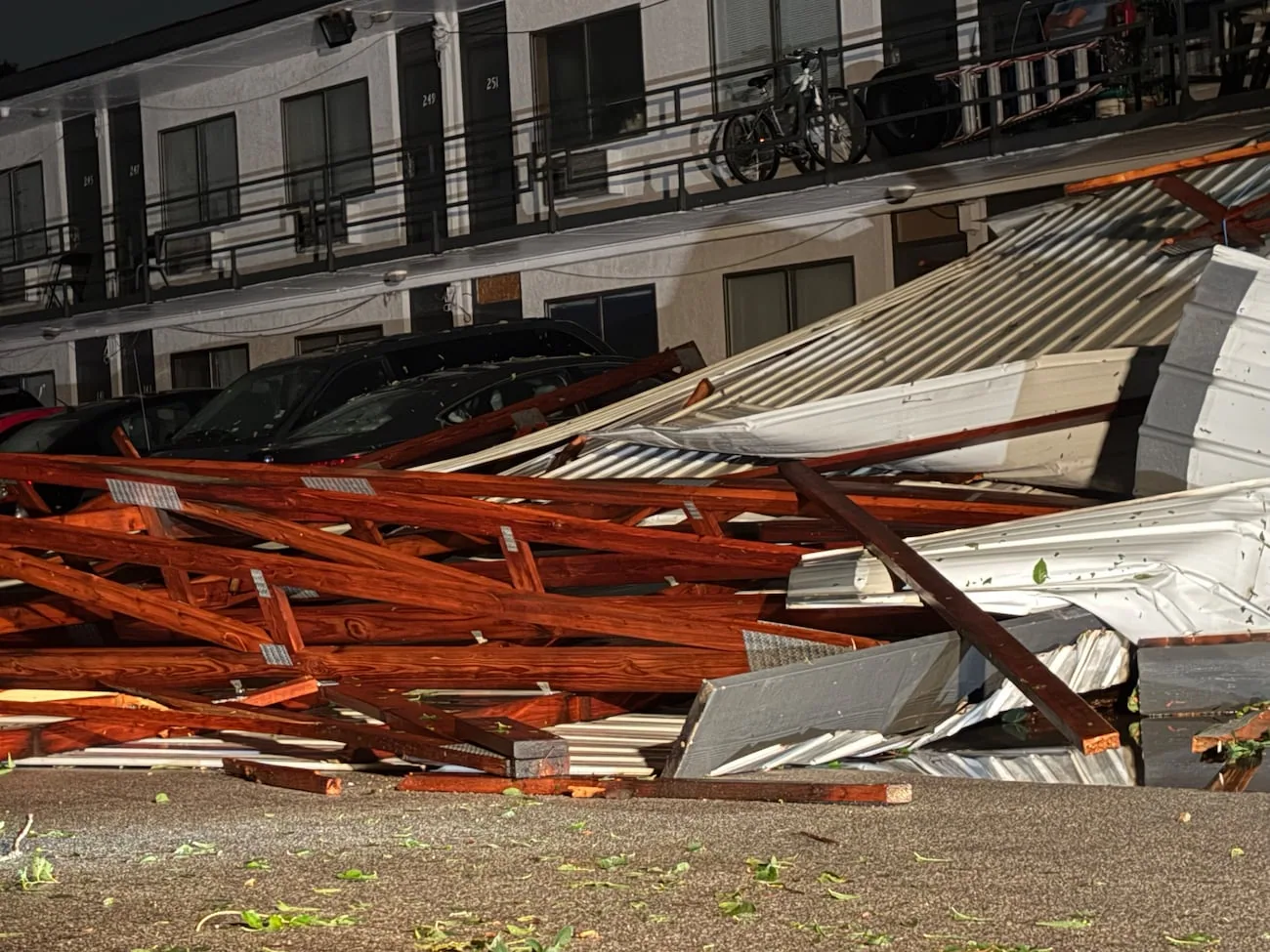 |
Inspect the Perimeter and Reported Roof Area
We begin with the date of the event, the interior location where water appeared and any temporary protection already installed. On the roof, the inspection follows the reported section toward field seams, edge metal, parapets, penetrations and equipment curbs. We look for lifted or displaced material, fresh impact marks, exposed fasteners and conditions that may predate the report. Photos identify where each observation was made, and the notes state whether the area could be reached safely.
A leak may travel beneath the membrane before it reaches a ceiling or wall. The inspection does not assume the visible stain marks the roof opening. We compare the likely path with roof slopes, drains and nearby transitions, then describe what is confirmed and what remains uncertain. If moisture below the surface would change the repair limits, we can identify a test location and discuss how to protect and restore the assembly before an opening is made.
Secure Loose Roofing Before Water Spreads
If material is loose or an opening is active, the first scope can focus on safe stabilization and temporary weather protection. We identify what can be secured during the visit and what requires additional parts, access equipment or another trade. Temporary protection is recorded as such, with a defined follow-up action rather than presented as permanent repair. Building staff can use that information to manage interior protection while the final work is scheduled.
Edge conditions deserve close review because wind pressure and movement may affect more than one attachment point. We inspect adjacent sections of coping, perimeter metal and membrane termination, not just the piece visible from the ground. Any loose component is handled within a safe work boundary. The owner or facilities contact approves access controls and notifications to occupants before work above an active entrance or loading area begins. After the repair, the property can add the photos and follow-up date to its maintenance log, then compare the same perimeter during the next routine roof visit.
Repair the Detail and Confirm the Tie-In
A permanent repair depends on the existing roof type, attachment and extent of damage. We prepare the surface, address the affected seam or flashing, and tie the repair into sound surrounding material using a compatible method. If metal is displaced, the scope identifies whether it can be refastened or needs replacement and how the edge will be secured. The finished detail is photographed so the building file shows both the original condition and completed work.
When damage crosses several roof zones or the assembly has broader deterioration, a spot repair may not resolve the full concern. A replacement assessment can define the section under review and the conditions that could alter removal or deck work. We do not expand a local repair into a full replacement recommendation without documenting why the larger scope is relevant. A separate drain and scupper review can address water management that is outside the wind-related repair.
Plan Access Around the Bellevue Property
Before mobilization, the property contact identifies roof access, sign-in, escort requirements, parking, material staging and any route that must remain open. Downtown Bellevue includes a compact office and cultural center with a dense commercial building base; Factoria sits in an Eastgate business district with a different suburban layout. Those place names help locate the property, but the site’s own rules determine where a crew can enter and work. We confirm a safe work window and who receives status updates.
If tenants, visitors or deliveries operate below the repair, we coordinate the work area and temporary restrictions with building staff. The daily plan identifies where work stops and what condition must be secured before the crew leaves. If mechanical equipment or a rooftop unit is near the damage, the authorized facility technician controls shutdowns and operation. Roofing work proceeds around the approved equipment plan rather than assuming a system can be moved or turned off.
Record the Wind Repair for Follow-Up
Closeout notes identify the building, roof section, observed damage, repair performed and any condition that remains unverified. Photographs show the repaired seam, flashing or edge detail. If an approved test shows compromised insulation or deck material, we identify the sample point, summarize the observed condition and record the method used to restore that roof area. The owner can compare these notes with later inspections and determine whether adjacent areas need attention after another storm.
If water remains after wind-driven rain, a separate ponding water review can examine drainage and low areas. For a later cold-weather concern, see snow and ice roof damage. A roof condition report can document additional visible items outside the wind repair. If a roof system needs broader work, TPO roofing can be evaluated alongside the existing assembly and building conditions. For a Downtown Bellevue roof visit, we confirm access with the property contact before arrival. Send the event date, leak notes, roof plan if available and site access requirements for a focused review.
Commercial Roofing Questions
What should we do after wind lifts roof material?
Keep people away from any affected interior area and report the location to the facilities contact. We can inspect the roof, document the visible condition and identify whether temporary protection or permanent work is appropriate.
Can you confirm that wind caused a roof leak?
We document the roof conditions visible during inspection and note what the evidence supports. A leak’s timing or cause may require additional records or testing, and we do not infer it from a ceiling mark alone.
Do you repair loose edge metal and flashing?
We inspect the affected attachment and adjacent roof details, then define a repair or replacement boundary based on what is visible and safely accessible.
Will a temporary tarp or patch solve the problem?
Temporary protection can limit exposure while permanent work is arranged, but it is documented separately. We state what follow-up inspection or repair remains.
What information helps schedule a wind damage inspection?
Provide the property address, event date, affected room or roof area, photos if available and the site contact’s access rules. Prior repair notes can also help focus the inspection.