

College roofing in Bellevue requires phased work, building access coordination and clear roof records. We inspect leaks and document campus scopes.
Campus facilities often have classrooms, labs and student service areas under roofs that remain occupied between terms. Facilities staff need the affected zone located before classes or services are disrupted. We start by identifying the building and interior location, then inspect the roof details above it and the path staff use to reach the roof. Bellevue’s wet season can keep a small seam or drain defect active for weeks. Photos and a marked repair boundary help campus facilities decide whether to make a local repair now or plan a larger project during a quieter period. Bellevue College is a major institution in the Eastgate employment area, where offices and commercial uses sit near I-90 and the Eastgate Park and Ride. The Spring District includes offices, housing, retail and public spaces around light rail. Campus buildings and mixed-use academic facilities have distinct schedules, so we ask about classes, events, deliveries, accessibility routes and summer work windows. We compare commercial roof repair with a broader scope after checking the roof. | 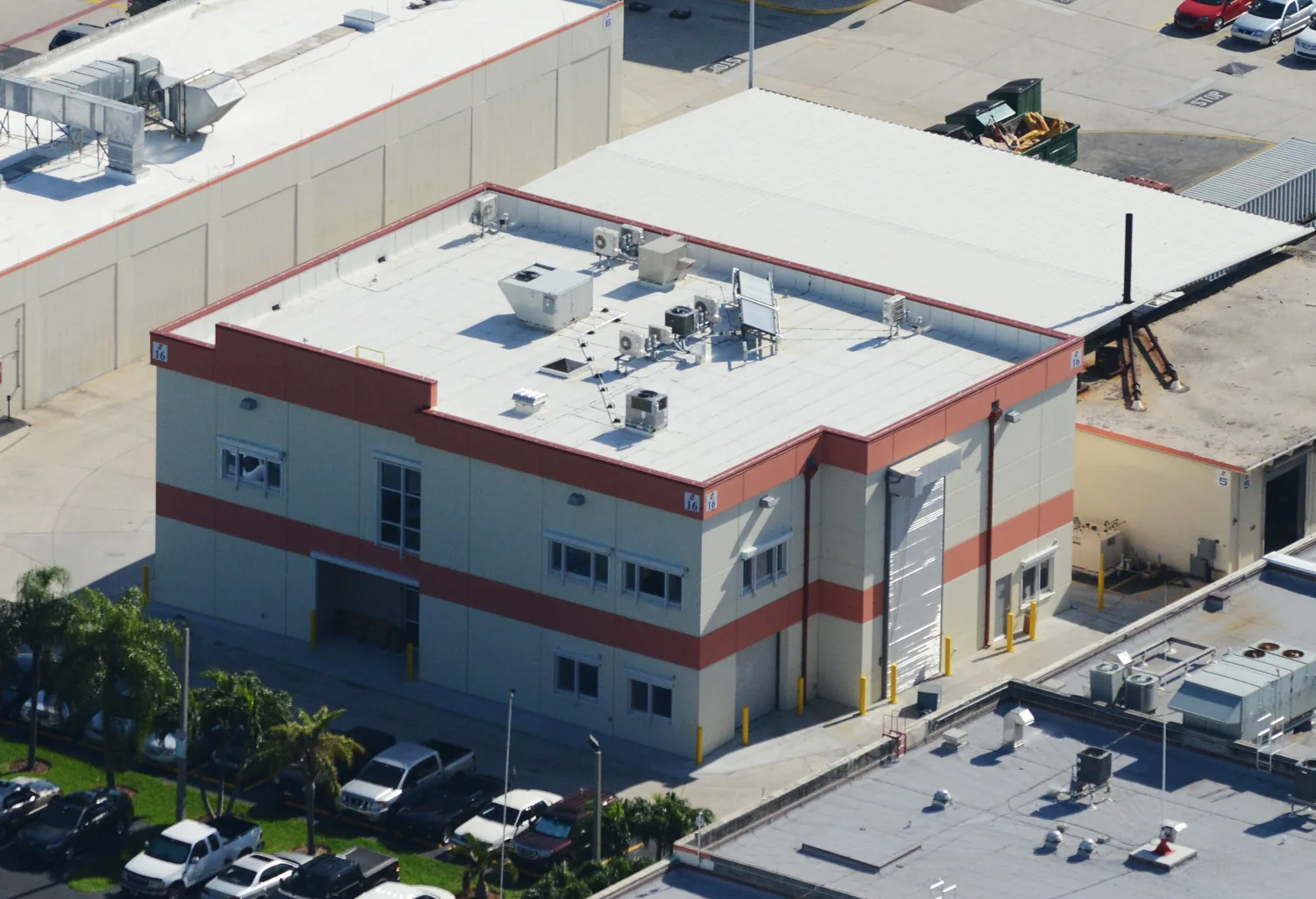 |
Tie Interior Reports to Campus Roof Zones
We ask staff where water first appeared, which rooms were affected and whether the report followed rain or a prior repair. A ceiling mark may be offset from the roof opening as moisture moves through insulation or along a deck. If a building plan is available, it helps us match the room to drains, seams, curbs and penetrations. We photograph the related details and note which areas are inaccessible or still uncertain.
Campus roofs can have several wings, elevations and service routes. A leak near a mechanical room may require different access from one above an occupied classroom. We inspect nearby membrane and flashing before defining a repair boundary. When the layer condition will affect the recommendation, we explain whether a test opening can verify moisture. Any opening is scoped and restored with facilities approval. If failures extend beyond a local area, a replacement review can lay out the sequence, deck review and dry-in points for the affected building.
Plan Work Around the Academic Calendar
A semester schedule can help facilities choose between a contained repair during classes and a larger project during a break. We ask when students and staff use the building, which entrances must remain open, and whether deliveries or events reserve the surrounding area. The crew can then divide work into roof sections with a specific start, protected stopping point and daily closeout. If rain is forecast, exposed material is secured before the work window ends.
A college may have instructional, administrative, recreation and support buildings with different roof assemblies. We check the construction history and visible condition for each structure rather than treating the campus as one roof. For a school campus with a tighter student calendar, compare K-12 school roofing; a healthcare campus has separate access and patient-care requirements, as on our hospital roofing page. The facilities team identifies which campus operation shapes the schedule.
Inspect Roof Equipment and Water Paths
Campus roofs collect mechanical units, exhausts, conduit, vents and service paths, often added over many years. We inspect flashing at curbs and pipe entries, check whether old openings were closed and look for membrane wear where technicians travel. Drains and overflows are reviewed for debris, low areas and evidence that water stands around seams. These observations can show whether the leak is a single detail or part of a broader roof condition.
When a new membrane or cover board changes finished height, we verify how that layer will meet the drain bowl, parapet, equipment curb and access door. Existing records can help identify deck and insulation, but we note what still needs verification. If drain problems need separate correction, drain and scupper work can be included in the scope. Any access to energized or specialized equipment is arranged by the campus contact, who identifies authorized technicians and protected areas.
Keep Campus Routes Open
Before mobilization, we agree on the roof hatch, ladder or lift route, contractor check-in, staging location and any escort needs. The campus contact identifies pedestrian routes, accessible entrances, bus stops, event areas and spaces that need advance notice. Work around active buildings may require quiet periods or protection from dust and vibration. A larger removal project is sequenced so each section can be made weather-tight before the crew leaves for the day.
Eastgate’s employment center includes I-90, Bellevue College, Eastgate Park and Ride and planned transit access; the Spring District station area plans for offices, housing, retail and public space. These facts help describe the local environment, but each campus has its own delivery and security process. We verify the property’s restrictions with facilities staff and confirm the sequence before staging materials. A Bellevue College area roof visit begins with the campus’s specific access rules and approved work window.
Support Campus Maintenance Planning
Closeout notes should identify the building, roof section, defect and repair completed, with photos and a statement of what was not tested. If an opening found wet insulation, the record identifies its location and how the roof was restored. That makes a future inspection more useful and helps campus staff compare the same area after another storm or maintenance visit.
For a campus with several buildings, a roof condition report can sort active leaks, recurring details and planned capital items. If replacement is indicated, we can compare a system such as TPO roofing with the building’s deck, attachment, drainage and use. Send the Bellevue address, campus building, roof records, access contact and preferred work period. We will report what can be verified and outline a practical next step.
Commercial Roofing Questions
Can campus roofing work be scheduled during a term?
Smaller inspections and repairs can often fit during a term if facilities staff approve access and staging. Larger removal may be easier during a break or another quieter period. We plan the work zone and daily dry-in with the campus contact.
How do you coordinate roof work across multiple buildings?
We inspect each building’s condition and access separately, then document the work zone and priorities. The campus can share a roof plan, repair history and calendar to help group visits. A phased scope can keep occupied buildings accessible while work proceeds.
What causes leaks on a college roof?
Common places to inspect include membrane seams, drains, equipment curbs, penetrations and perimeter transitions. The source should be confirmed at the roof because water may travel before it reaches a classroom or office. We document findings and identify when testing is needed.
Can you work around campus events and deliveries?
Yes, when the campus identifies event dates, vehicle routes and staging limits before mobilization. Those details help set the work window and material path. We confirm the approved access plan with facilities staff before the crew arrives.
What records help plan a campus roof project?
Roof plans, installation history, prior repairs, leak reports and building access rules are useful. Share the building name and affected room along with the academic calendar. We can then connect the reported problem with the roof zone and the available work period.