Organize commercial roof warranty documents, inspection records and repair history for Bellevue properties with actionable follow-up reminders.
A roof warranty is easier to manage when the owner can find the coverage document, identify the system it applies to and connect service records to the right roof section. We help organize available warranty information with inspection findings, repair history and maintenance dates for each roof section. The record can flag missing documents or unclear coverage areas for follow-up. Warranty interpretation and approval remain with the manufacturer or issuing party; our role is to document roofing conditions and completed work. BelRed includes former warehouse properties alongside newer commercial and institutional development, while Downtown Bellevue has a dense office and mixed-use building base. Those properties may have different installation and maintenance histories. We start with the building list and available roof records, then connect them to roof asset management. | 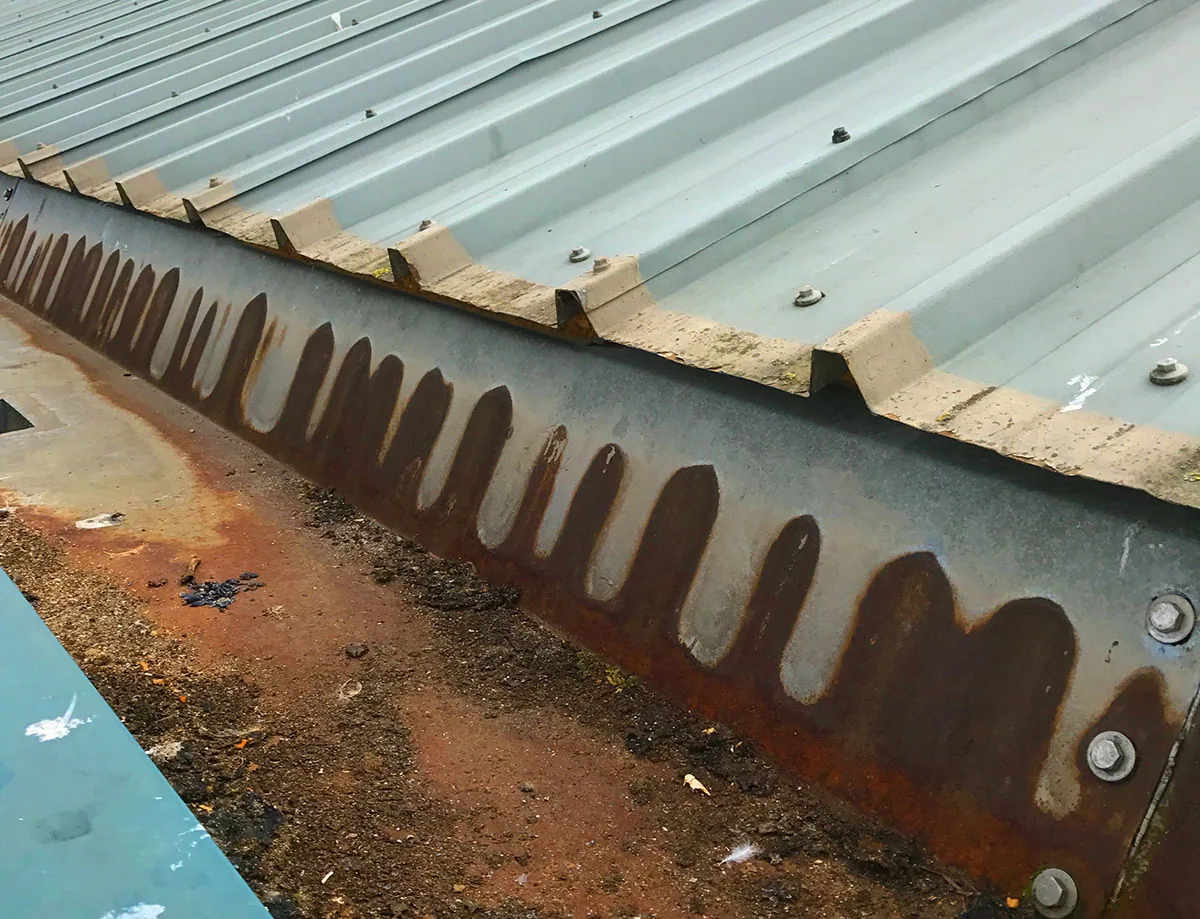 |
Match the Warranty to the Roof Area
We review the information supplied by the owner, such as warranty certificates, system descriptions, installation dates, contractor details, roof plans and past service records. If the document covers only part of a property, we identify the roof area or system name stated in the paperwork. We do not assume that every addition, repair or neighboring section shares the same coverage. Missing pages, uncertain dates or conflicting building identifiers are noted for owner confirmation.
A simple index can associate each warranty file with its building address, roof section, issuing company and stated term. The owner can also track the contact path used for service requests and the documents that may be required. A manufacturer system reference can help identify product information, but the actual property documents control the warranty record. We keep statements about coverage tied to those documents and refer interpretation questions to the issuing party. Copies remain with the owner.
Keep Maintenance Records Together
Regular service notes, inspection photos and repair closeouts can show what work occurred and when. We record the roof zone, observed condition, repair method and any remaining recommendation. If a condition requires testing or is outside the available inspection, that limit is also recorded. The owner can compare those entries with the maintenance requirements listed in its warranty documents and determine what additional records it needs to keep.
Downtown Bellevue, Eastgate and Crossroads have different property uses and access patterns. A maintenance visit may require a tenant escort, equipment contact or separate scheduling at each building. The record should capture who approved roof entry and which areas were inspected. A roof condition report can provide a photo-backed account, while commercial roof repair can document a specific work order and closeout.
Document Repairs Before and After Work
Before repair, we photograph the reported condition and identify the proposed work boundary. The scope describes the compatible roof detail, access assumptions and any test that could change the work. After repair, closeout records the completed area, materials used where known, date and photos. This creates a traceable file for the owner and gives the manufacturer or other reviewer information to consider if a question arises.
If an emergency measure is installed, it is labeled as temporary and kept distinct from permanent repair. A later service visit can verify the condition and complete the approved scope. Work by other trades near roof membrane, equipment curbs or penetrations can also be logged when the owner supplies those details. We do not state that a specific action preserves or voids coverage; the applicable warranty and issuing party determine those terms. If the owner receives written guidance before work, it can be stored with the repair authorization and associated with the roof location. The work order should identify who approved the scope, which contractor completed it and whether any follow-up inspection was requested. Those records make a later review more efficient without treating documentation as a coverage decision.
Track Expiration and Follow-Up Questions
The owner can maintain a calendar with warranty end dates, upcoming inspections and documents still needed. If the warranty file identifies an inspection or notice requirement, that language can be recorded as a reminder for owner review. We do not interpret a reminder as proof of compliance. The index can identify the source document and page where a requirement appears so the owner can review the original wording. A calendar alert should link back to that file, include the responsible contact and leave room to record the date a notice was sent or inspection completed. The owner can then confirm directly with the warranty provider whether a record or action satisfies its process. The responsible building contact can confirm whether the requirement applies and what evidence the issuing party accepts.
For a portfolio with many sites, a multi-site roof program can coordinate document updates and inspection dates. BelRed’s transition from warehouse uses to a broader mix of development and Downtown Bellevue’s dense commercial stock make property-specific records especially useful. The file should retain the issuing document and not rely only on a spreadsheet summary. If a roof is being evaluated for acquisition, a due-diligence roof survey can identify documentation gaps for the buyer’s review.
Maintain a Clear Warranty File
A useful file contains the warranty as issued, the roof sections it covers, available system details, service contacts, inspection reports, repair invoices and closeout photographs. Open questions should remain visible until the owner receives an answer from the manufacturer or contractor. When a building changes management or ownership, the next contact can locate the records and understand what information is missing.
A Bellevue Eastgate roof review starts with the property’s current access contact and available system history. A roof capital planning review can use documented condition without replacing warranty interpretation. Send the roof documents, building list, service history and any open warranty correspondence. We will organize what is available and identify the next records or inspection needed.
Commercial Roofing Questions
Can you tell us whether a roof warranty is still valid?
We can organize the documents and note the term or conditions stated in the available file. The issuing manufacturer or warranty provider determines coverage and validity.
What documents should we keep with a roof warranty?
Retain the issued certificate, system and area descriptions, maintenance records, inspection reports, repair invoices, photos and any correspondence with the issuing party.
Can you coordinate a warranty service visit?
The owner can arrange a warranty service visit and provide the roof documents. We can document the reported condition and help organize the records requested by the issuing party.
Do repairs automatically affect a warranty?
The answer depends on the actual warranty terms and the issuing party. We record repair details and recommend that the owner confirm any approval or notice requirement before work.
Can warranty files be managed across several properties?
Yes. A portfolio index can track each building, roof section, document, date and open question while keeping the underlying records associated with the individual property.