Coordinate inspections, repair scopes and roof reporting across Bellevue commercial properties with site-specific records and portfolio tracking.
A multi-site roof program gives an owner one way to request service, review findings and track work across several buildings while keeping each property’s conditions separate. We can coordinate the approved location list, inspection windows, reporting fields and follow-up contacts across the Bellevue portfolio. Each roof still receives its own observations, photos, access limits and repair scope. A portfolio summary helps with scheduling, review and handoffs between property teams at each stage; it does not assume that sites share the same roof system, maintenance history or urgency. Bellevue includes dense Downtown offices, the Spring District’s mixed-use development, Crossroads retail and suburban offices in Eastgate. A group program can organize visits by location or operating schedule while preserving each address’s identity. We start with the portfolio, service contacts and available roof files, then create a baseline using roof asset management. | 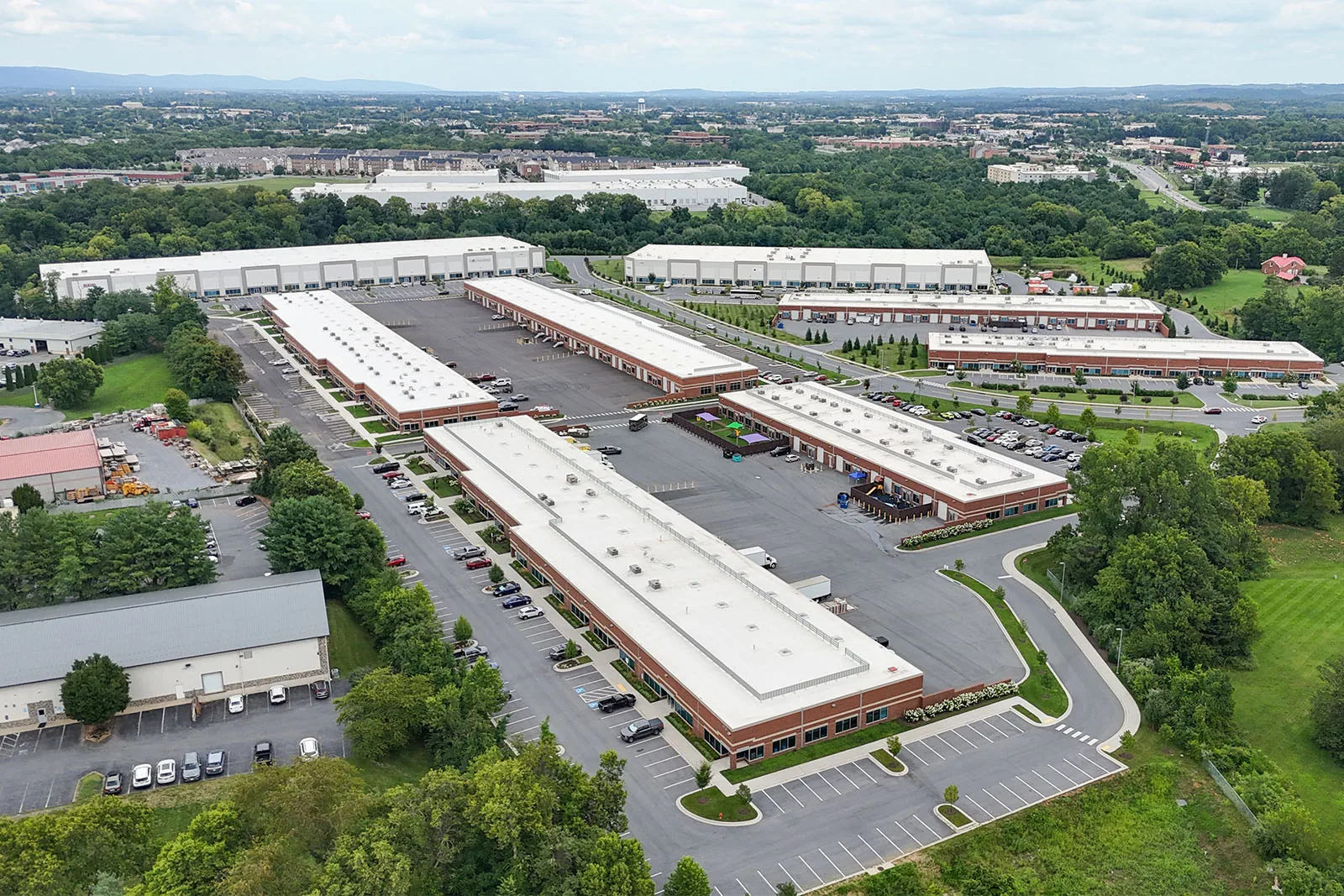 |
Set the Portfolio List and Site Contacts
The owner provides the property addresses, building names, known roof sections, access contacts and any schedule constraints. Plans, warranties, maintenance logs, leak tickets and prior repair records can be tied to the relevant location. We note duplicate or inconsistent building names and confirm which identifier the owner wants used in reports. If a site has several structures or roof elevations, those can be listed separately rather than treated as one inspection stop.
Each property contact confirms roof access, escorts, sign-in, parking, equipment restrictions, tenant notice and any required work-hour limits. A central facilities lead can manage the overall calendar, while local contacts answer site-specific questions. If a building is controlled by a third-party manager, we confirm who can authorize entry and repair. That preparation helps the crew arrive with the right access plan and keeps schedule assumptions visible across the portfolio. We can identify a primary and backup contact for each building, note hours when calls are received and record who can approve a temporary response. If a central facilities group wants one intake spreadsheet, we can align its columns with the field report so an address or property code does not need to be re-entered for every update. The owner should confirm who can release work at each location, including emergency repairs.
Coordinate Visits Without Blurring Findings
Inspection routes can be grouped by proximity, roof type or operating schedule. A visit records its date, sections reached, conditions observed and any area not accessible. The report identifies seams, drains, flashing, equipment curbs and other visible details, then ties photographs to a roof plan or agreed section label. If testing is needed to establish moisture or deck condition, it is proposed for the specific building rather than carried as a vague program-wide assumption.
Downtown Bellevue is a dense commercial center; BelRed pairs a former warehouse district with office, creative and institutional uses. Those contexts can affect planning, but the site visit determines each roof’s actual state. Those conditions can affect planning, but a site visit still determines the roof’s actual state. A roof condition report can preserve each building’s photos and limits. We can then prepare a portfolio summary that identifies where inspections are complete, follow-up is pending and owner decisions are required.
Route Repairs and Approvals to the Right Team
When an inspection finds a repair need, the work item can be associated with its property, roof zone, photo, access assumptions and approving contact. Active water entry may need a quicker response than a condition that can be monitored. We identify whether testing, another trade or an owner decision is needed before the scope can proceed. This gives central staff a work queue without reducing each repair to a one-line description.
Property teams can agree on an escalation contact for active leaks and a separate approval path for planned repair or replacement. A commercial roof repair can be scheduled at an individual site, while a replacement scope may need a longer planning and tenant-coordination window. If several properties share a procurement process, the owner can bundle comparable scopes for review while retaining site-specific quantities and assumptions.
Use Consistent Reporting and Asset Records
A shared report format can use the same fields for property, roof section, finding, photo, recommended action, priority and status. Consistency makes it easier to see which items remain open, but the record should preserve system and access details for each site. If an item is deferred, the reason and review date can be tracked. A completed work order should include closeout information and any remaining condition so the next program update reflects the work actually performed.
A capital planning review can use these records when the owner sets budget priorities. A warranty management record can track documents and inspection dates by property. For a transaction or refinancing across several addresses, a due-diligence survey may apply a different scope. The program lead can select the reporting fields, but each deliverable remains tied to the service requested at that location.
Review Program Status and Next Steps
At the end of a visit cycle, the owner can review completed inspections, active repairs, testing approvals, inaccessible areas and the next scheduled contact. We can group work by urgency or location, then identify which decision belongs to a central team and which rests with a site manager. A recurring review can confirm whether open items were priced, approved, deferred or completed. The summary can also flag sites whose records are missing a roof plan, system history or current access contact. That makes the next cycle more focused, since the portfolio lead can collect information before the crew is dispatched. The summary helps with planning while the individual reports remain the supporting record for photos, conditions and limitations.
Crossroads, Eastgate and Downtown Bellevue have distinct commercial patterns and access settings. A Bellevue Eastgate visit begins with the facility contact and approved entry, just as a downtown appointment does. Send the property list, owner contacts, roof records and preferred reporting fields. We will coordinate a practical inspection sequence and document each building’s findings and open decisions.
Commercial Roofing Questions
Can you inspect several buildings under one program?
Yes. We can coordinate a portfolio schedule and shared reporting format while keeping each property’s inspection findings and limits separate.
Do all sites need the same inspection schedule?
Not necessarily. Access, roof condition, operating needs and owner requirements can vary. We can help organize the calendar around those differences.
Can a central office receive one summary?
The owner can receive a portfolio status view alongside site-specific reports. The summary can show completed visits, open actions and decisions without replacing property-level evidence.
How are emergency leaks handled across locations?
An active leak can be routed through a named escalation contact and response process. We confirm the property, access and requested roofing scope for that location.
Can you combine repair scopes for procurement?
Comparable work may be grouped for owner review, but quantities, access assumptions and roof details remain tied to each building.