Track commercial roof condition, repair history and maintenance priorities across Bellevue properties with organized records and follow-up.
Managing roofs across a portfolio starts with knowing which buildings have been inspected, what was found and what work remains open. We help property teams create a roof record tied to each address and section, with photos, observed conditions, repairs and unresolved questions. A consistent file makes comparison and handoff easier for local teams while preserving the differences in roof age, system, access and use. The record supports maintenance decisions; it does not establish concealed conditions or replace a structural review. Bellevue’s dense Downtown core, former warehouse areas in BelRed and mixed-use Spring District include varied commercial building types. A useful roof program captures those differences rather than treating the market as one asset. We begin with the portfolio list and available maintenance information, including prior service dates, invoices and plans, then define a baseline using roof condition reports. | 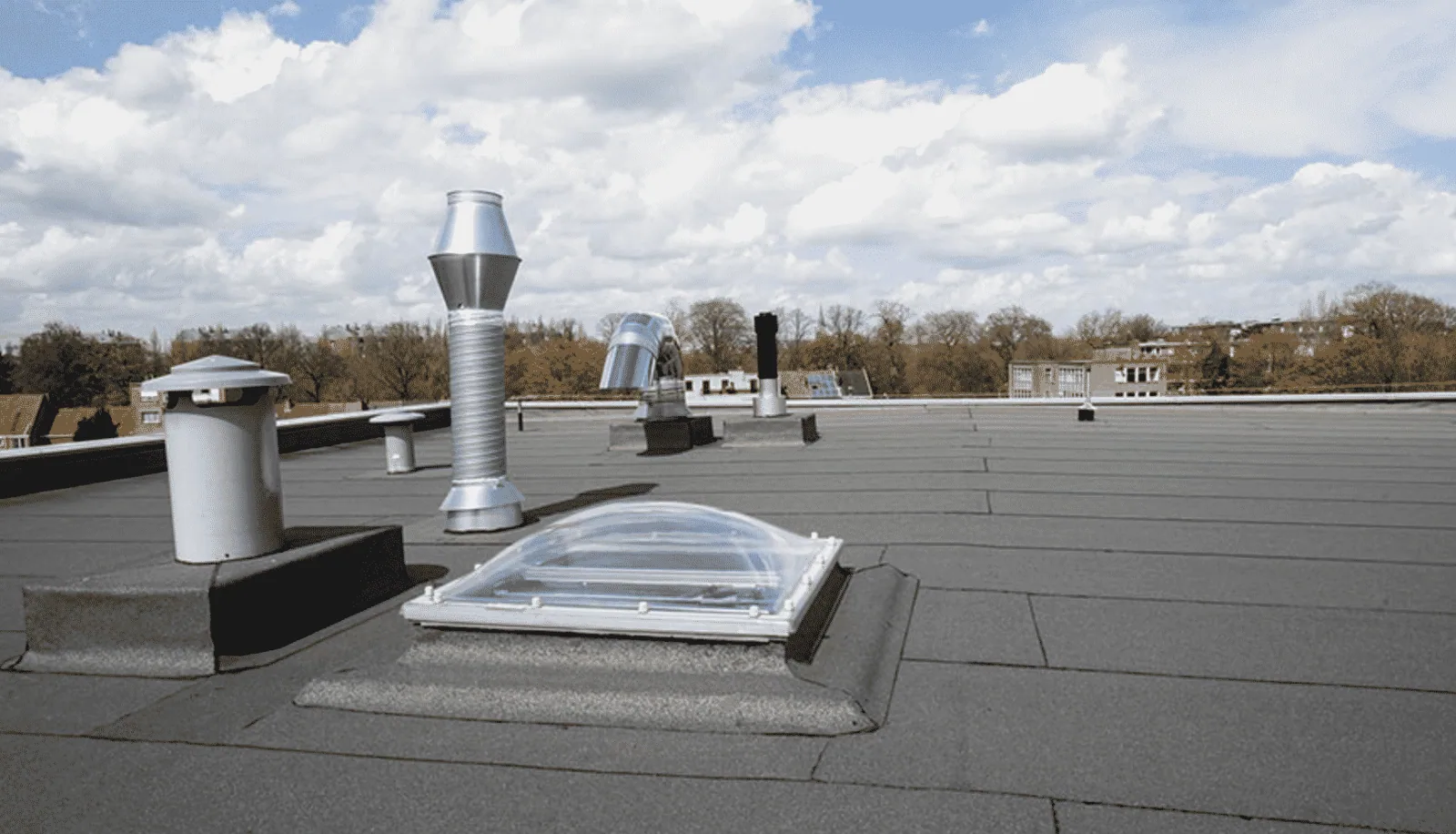 |
Build a Reliable Building and Roof Inventory
The inventory begins with a property address, building name, roof sections, estimated installation history when known, system information and the person responsible for access. Available plans, warranties, invoices and prior inspection notes can be associated with the relevant roof. We flag missing or conflicting information instead of filling the gaps with assumptions. If a building contains different additions or roof levels, each section should be named so a future service request can point to the correct area.
BelRed grew from a warehouse district and now includes creative, institutional and commercial uses. Downtown Bellevue has a dense office and cultural building base, while the Spring District is a major mixed-use redevelopment within BelRed. Those facts suggest different portfolio contexts, but each property’s own history determines its record. The owner can use one location list and still keep roof descriptions, access rules and maintenance contacts separate. Where building names differ across invoices and maps, we can retain an agreed identifier alongside the street address so service requests remain searchable.
Track Findings Without Losing Their Context
Each inspection entry can identify the roof zone, observed condition, photo reference, recommended action and whether the finding is confirmed or still needs testing. A localized seam repair should remain distinct from a suspected wet area elsewhere on the roof. We also record access limits, such as equipment or weather preventing a full review. That distinction helps staff understand what the inspection covered and what needs another visit.
When a leak is reported, the property team can compare the address and roof section with prior service notes. If the same area appears repeatedly, the record may show whether repair, monitoring or further evaluation has already been completed. A commercial roof repair can be linked to its work date and closeout photos. Separate conditions remain traceable, so a new problem does not inherit an old diagnosis just because it occurred on the same building. That distinction is useful when staff turn over.
Schedule Maintenance Around Property Use
Routine roof reviews can be planned around access, business hours, tenant operations and maintenance responsibilities. The owner identifies the authorized contact, roof route, escort needs and restrictions near mechanical equipment. A portfolio schedule can set target review intervals, while each property confirms when access is practical. We do not assume that every roof needs the same frequency; the building’s known condition and use inform the maintenance plan.
Spring District offices, housing, retail and public spaces create a different operating mix from a suburban office property in Eastgate. Crossroads combines shopping and services with nearby residential areas. The record can capture property-specific conditions such as delivery windows, occupied spaces and access keys so future visits are prepared. If a roof drain, edge or flashing item needs follow-up, the maintenance entry should identify the responsible task and whether a separate contractor or approval is required. Portfolio managers can review the open list by property, due date and assigned contact. A completed ticket should include the closeout evidence, while deferred work records a reason and next review date. This creates a useful handoff when a building engineer changes or the owner reprioritizes the annual program.
Connect Repair History to Capital Decisions
A roof inventory becomes more useful when it distinguishes current repair needs from longer-range replacement questions. We identify visible issues, remaining uncertainties and conditions that could affect scope, such as wet insulation or deck damage. The owner can review those items with its budget process and decide whether to repair, test, monitor or plan a larger project. We provide the technical basis for the recommendation without assigning a capital year that depends on funding or internal approvals.
A roof capital planning review can organize systems and costs for owner discussion. A multi-location owner may also use a multi-site roof program to coordinate data and work. Each asset should retain its own photos, condition, scope assumptions and maintenance record. That makes portfolio summaries easier to evaluate without hiding site-specific risks or treating estimates as confirmed quantities.
Keep the Record Useful as Properties Change
After each service visit, the property file can be updated with the completed area, repair detail, photos, open questions and next action. If a tenant or ownership contact changes, the record should still identify the roof route and recent work. A consistent file naming convention and address reference helps staff locate the right section. The portfolio lead can review missing information and assign follow-up without assuming that a past contractor still has the same site notes. A shared review date can also surface records that have not been refreshed after a repair or building alteration.
A roof warranty management review can track coverage documents and requirements alongside maintenance. A Downtown Bellevue roof review still begins with the building’s authorized contact and current access process. Send the portfolio list, plans, repair history and any existing inspection records. We will identify what is known, what needs verification and how the roof files can support the next facilities decision.
Commercial Roofing Questions
What information belongs in a roof asset record?
A record can include the building and roof-section identifiers, available system history, photos, inspection findings, completed repairs, access rules and open recommendations.
Can one system cover buildings with different roof types?
Yes, if each property and roof section retains its own system details and condition record. A portfolio summary can group information without flattening those differences.
What inspection cadence fits a commercial roof?
The interval depends on the roof’s condition, service history, use and owner requirements. We can help establish a schedule for review, then adjust it when site conditions change.
Can you update records after repair work?
Yes. Closeout photos, repair locations, work dates and remaining recommendations can be added to the property file for future reference.
Does asset management include a replacement budget?
It can inform capital planning, but funding timing and approval remain owner decisions. We distinguish observed conditions from assumptions that need testing or further scope development.