

Assess commercial roof coating restoration in Bellevue. We check adhesion, wet insulation, drainage and surface repairs before coating a roof.
A worn roof coating can expose a sound membrane, but a new layer will not correct wet insulation or an open flashing. For a Bellevue property, we inspect the surface, test uncertain areas and check drains before recommending restoration. Nearby Sea-Tac normals show July is much drier than January, which often gives the property manager a larger summer work window. The roof still has to be dry, compatible and sound enough to accept the selected coating. | 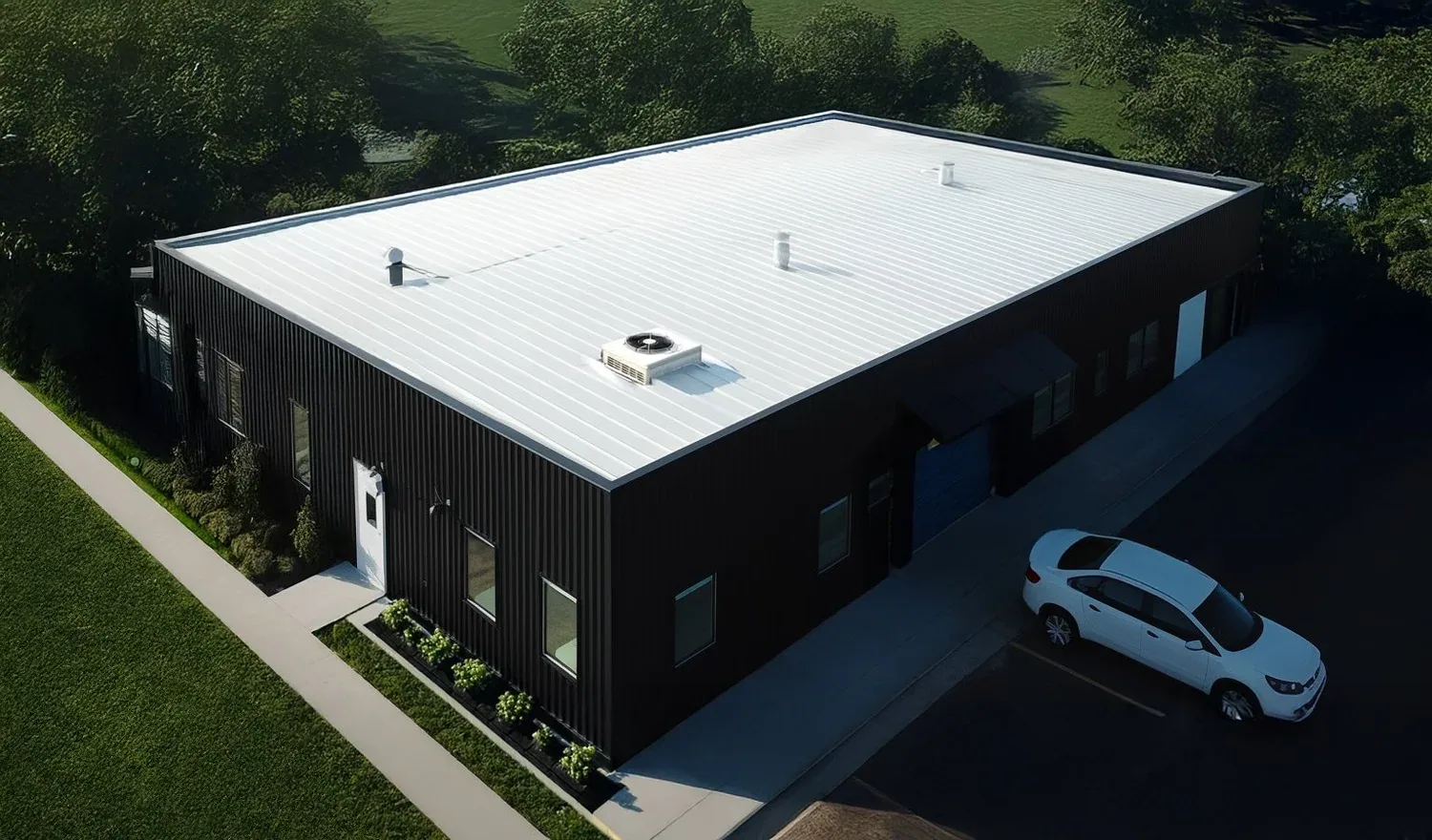 |
Surface Condition
We first identify what is already on the roof: membrane, metal, foam, older coating or a combination. The substrate and existing repairs determine which coating products can bond and how the surface should be prepared. We look for loose material, chalking, cracks, open seams, rust, blistering and areas where a patch has lifted. A test patch can help confirm adhesion when records do not identify the original coating.
Moisture below the surface changes the decision. Infrared readings may point to an area worth opening, but the image is not proof of wet insulation. A test cut can show the layers at that location and help set a repair boundary. If the assembly contains wet or deteriorated material, it needs repair before a new coating covers the surface. The moisture survey can help focus that testing.
For a low-slope roof, we trace water around drain bowls, scuppers, curbs and parapet corners. A coating follows the existing surface and does not create slope. If water stands in a low area, we record the condition and determine whether drainage correction belongs in the project. A drainage assessment can address the outlet or rain path separately.
Coating Choice
Acrylic, silicone and other coating systems do not perform the same way on every substrate. Product requirements cover surface preparation, moisture, temperature, coverage, reinforcement and drying conditions. We compare those requirements with the existing roof and expected exposure. A reflective acrylic system may suit a different roof than a silicone coating, particularly where ponding or the old coating affects product compatibility.
BelRed includes redevelopment alongside former warehouse properties, offices and institutional space. A roof's age and prior repairs can vary across buildings in the district. We inspect the actual surface rather than infer coating type from the property area. The site's use does affect staging, air-intake protection and delivery planning during preparation and application.
Where the existing membrane is substantially worn, repair or replacement may be a stronger option than coating. A localized repair scope can address a seam, flashing or puncture. If the roof has broad deterioration or wet layers, replacement planning may resolve the assembly below the surface as well as the top layer.
Preparation Work
Coating work begins with cleaning and preparation. We remove debris and contaminants, repair loose or failed details and confirm that the substrate is ready for the product. Seams, penetrations, drains, curbs and parapets may need reinforcing fabric or separate flashing treatment. The proposal identifies which details are included and which areas cannot be coated as found.
Rain affects both preparation and cure. Sea-Tac normals show January as a much wetter month than July, while Bellevue's dry summer conditions can support more predictable application windows. That seasonal pattern helps planning but is not a forecast for a specific project. We check the roof and near-term weather before application and leave enough time to secure the work if conditions change.
Occupied buildings need notice before cleaning or coating begins. Work may involve noise, equipment movement, odor management or access restrictions. We coordinate roof hatch use, loading, air intakes and the areas beneath the work with the property manager. The sequence can proceed by roof section so tenants and building staff know which areas are active.
Application Controls
The coating is applied at the rate and thickness in the approved system. We track field coverage and reinforce details according to the product requirements. Drains remain open, and material is kept from collecting around scuppers, mechanical bases or roof edges. A finished color does not show whether the required film thickness or adhesion has been achieved, so field checks and records matter.
At the Spring District, dense office, residential and retail uses can require separate site contacts and carefully timed deliveries. At an Eastgate office property, we confirm the roof entry, loading route and staging plan with building staff before material is applied, then protect adjacent surfaces, vehicles and air intakes.
If the roof has an unsuitable area after preparation, we mark it and agree on a repair or exclusion rather than coating over an unresolved defect. The work record notes where application stopped, what was corrected and which sections remain for future review. Product, batch and area notes help the manager compare future touch-ups with the original system. We also mark any transition that was rebuilt separately, since a later inspection may need to check that detail apart from the open field.
After Restoration
Closeout records the roof surface, preparation, repairs, product details and areas that were not coated. Photos locate completed details and any remaining observation. The record distinguishes an area that passed preparation from one left untreated, so later budgeting does not assume uniform coverage across the roof. This gives the property manager a baseline for later inspection and helps identify a new failure near an earlier repair.
Coating restoration does not remove the need to inspect drains and transitions. A maintenance visit can track those details after winter rain or equipment service. If a manager needs photos and open items organized across several buildings, a roof condition record can keep findings tied to each roof plan.
For a Bellevue coating review, send the address, roof history, active leak locations, previous coating information, service-hatch access and preferred work window. We will identify the substrate, test uncertain areas and describe whether preparation, repair, restoration or replacement fits the roof.
Commercial Roofing Questions
Can you coat a roof that has an active leak?
The leak source and affected materials need inspection and repair before coating. We define a repair boundary and check the surrounding surface so the coating does not cover an unresolved opening.
How do you know whether a new coating will stick?
Product compatibility, surface preparation and adhesion testing establish that. We review existing layers and may perform a test patch when the roof history is uncertain.
Does Bellevue's summer weather make coating work easier to schedule?
The local climate is generally drier in July and August than in the cool season. We still confirm actual roof moisture and the project forecast before application.
Will coating correct ponding water?
A coating follows the existing roof shape. We inspect low spots and drains and scope slope or outlet correction separately if the roof needs it.