

Review acrylic roof coating in Bellevue by checking substrate adhesion, seams, moisture, drainage and application conditions before restoring a commercial roof.
A reflective coating that peels at the edge of a skylight will not protect the roof below it. In Bellevue, we inspect the coating bond, existing membrane, drains and flashing before recommending an acrylic restoration. The lowland climate has a much drier July than January, which can make summer a useful application period. The actual roof still needs to be clean, dry and compatible, and its water path must work before another film is applied. | 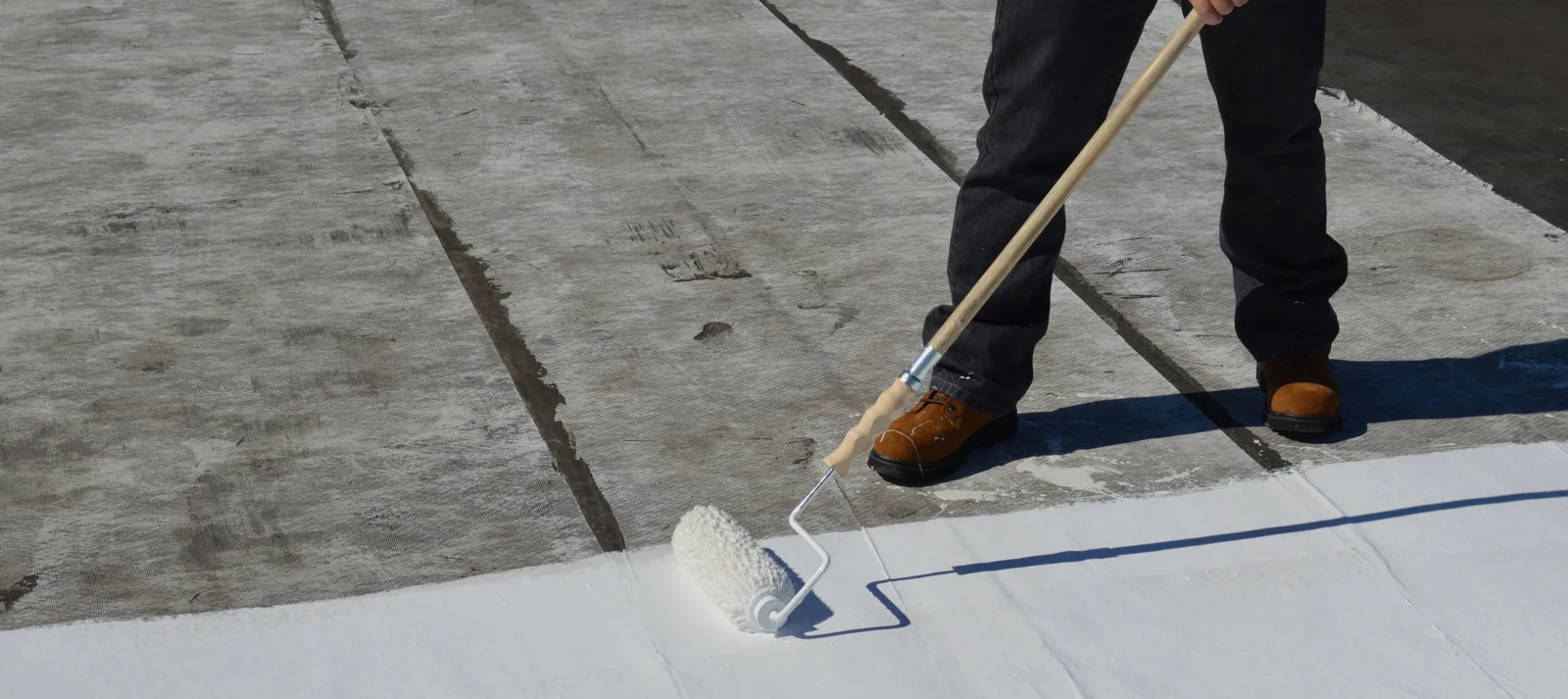 |
What Acrylic Coating Needs
Acrylic roof coatings are liquid-applied systems that form a protective film after application and drying. They can reflect sunlight, but they rely on a suitable substrate and correctly prepared details. We inspect for chalking, peeling, cracks, blisters, open seams, rust and patches that have lost adhesion. We identify the existing roof type and coating history before proposing a product because not every coating bonds to every surface.
Water and surface condition affect preparation. We check for ponding, damp insulation, dirt, grease and areas where the roof surface has become unstable. A coating follows the roof shape; it does not create slope or correct an outlet. A drainage review can identify whether the low point, scupper or bowl needs separate correction. If concealed layers are uncertain, a moisture assessment can help choose test locations.
Adhesion testing may be useful when the existing finish is unknown or has several repair layers. We prepare a sample area and check whether the coating remains attached under the product's test method. The report identifies the sampled surface and any limitations. If the roof contains wet insulation or delaminated material, coating over it can preserve a hidden problem instead of restoring the assembly.
Acrylic, Silicone and Membrane Options
Acrylic and silicone coatings have different application properties and should be matched to the roof and expected exposure. Water management is part of that decision: some coatings need a sound slope and drainage path, and a liquid layer cannot replace a flashing or rebuild failed insulation. We document product requirements, coverage, preparation, reinforcement and areas that need separate repair before application.
A silicone system may suit a different roof than an acrylic coating, particularly where ponding, substrate or recoat compatibility is a concern. A TPO membrane and PVC membrane are sheet assemblies with welded seams rather than liquid coatings. We compare the existing structure, roof condition, maintenance access and project goals before selecting among those approaches.
If the surface is sound and the existing system accepts the product, restoration can include cleaning, seam repair, reinforcement and an acrylic finish. If insulation is wet, the substrate is loose or seams have failed across the roof, a replacement scope may be a better comparison. A restoration assessment can separate repair work from areas that are suitable for coating.
Plan Around Bellevue Weather
The nearby station records measurable rain on roughly 18 days in January and November; July and August are the region's drier stretch. For an acrylic roof, that seasonal pattern makes surface preparation and daily closure worth planning early. We still test roof moisture and check the forecast before applying a coating.
Eastgate has suburban offices and commercial development around I-90, with Bellevue College among its major institutions. A project near Eastgate may need coordination around office arrivals, parking and campus access. We confirm the particular building's roof hatch, material route and below-roof protection before cleaning or applying coating. A city's employment profile does not establish the roof type or membrane condition.
Downtown Bellevue has high-rise office, hotel, retail and mixed-use buildings. A rooftop coating project there may require planned material lifts, controlled entry and notice for tenants. At a Downtown Bellevue property, we coordinate the route and work hours with the site contact, then keep drains and air intakes protected. The finish system is chosen from the roof inspection and product requirements, not from the district name.
Repair Before Application
Before coating begins, we repair open seams, punctures, loose metal, failed flashing and areas where coating has detached. The surface is cleaned and prepared to the product requirements. We check skylights, drains, curbs, parapets and edge details for transitions that may need fabric or separate flashing. The proposal shows which repairs are included and which condition requires more testing before the area can be coated.
Where infrared readings or visual signs suggest wet insulation, a test opening can confirm the layer condition. We set the repair boundary from the opening and adjacent checks, then replace damaged material before applying a finish. A roof inspection can record the surface, penetrations and drainage. If equipment or support feet have damaged the membrane, a support detail review can include the curb and surrounding roof.
Some roofs cannot be coated as found. A surface with poor adhesion, contamination, incompatible coating or ongoing water entry may need repair, partial removal or a different assembly. We identify those limits early and avoid treating coverage as proof that the roof is sound. The owner receives a written sequence for preparation, repair, application and any excluded section.
Control the Application
We confirm temperature, humidity, roof moisture and forecast before starting a section. The crew protects drains, air intakes, windows and equipment, then applies the product at the specified rate and thickness. Reinforcement is placed where the system requires it. We record coverage and the condition of repaired details, because a uniform color does not confirm that the coating met its application requirements.
If weather changes, an active area needs protection before the crew leaves. We stage only the material that can be applied and secured in the available window. Bellevue's cool-season rain can narrow that window, while summer application still requires a dry substrate. The manager receives a schedule for each work zone and notice of any access restrictions or odor considerations associated with the product.
Permit plans filed in Bellevue account for state and municipal changes to the 2021 International Codes, which the city put into effect on March 15, 2024. We also follow the product's application instructions and check coating compatibility on the existing roof before proceeding.
After the Acrylic Finish
Closeout records the roof surface, preparation, repairs, coating system and areas left untreated. Photos show drain bowls, seams, curbs and edge details in context. The manager receives a roof plan and test records, including any area that could not be confirmed. That baseline helps a later inspection identify new wear or a leak near an old repair.
Follow-up checks should look for cracking, peeling, new punctures, debris near outlets and damage from equipment service. A maintenance visit can document the roof by zone and note where the coating requires attention. Access and foot traffic should follow the building's approved routes so the surface is not damaged during later service.
For an acrylic coating assessment in Bellevue, share the address, existing coating and roof type, leak history, repair records and access window. We will check adhesion, moisture and drainage, then outline preparation, repair and coating options supported by the findings.
Commercial Roofing Questions
Can acrylic coating go on a roof that ponds water?
The roof shape, product requirements and how long water remains need review. We inspect the low area and drain first, then scope any slope correction separately from coating application.
How can you tell whether acrylic will adhere to the current coating?
We review the coating history and substrate, then use adhesion testing when needed. The result applies to the sampled area, so we also inspect for loose or incompatible sections elsewhere.
Does a reflective acrylic coating fix a leak?
Only after the leak source and underlying materials are addressed. We repair open seams or flashing and remove wet layers where confirmed before applying a finish over suitable areas.
When can an acrylic coating be applied in Bellevue?
Application timing follows the product's temperature, dryness and cure requirements. The comparatively dry summer helps planning, but we check actual site and forecast conditions before starting.
What should be included in a coating proposal?
The scope should identify substrate preparation, repairs, reinforcement, product, coverage and areas excluded. We also document drainage, access and any testing needed before application.