

Evaluate silicone roof coating in Bellevue after checking membrane adhesion, wet insulation, drains, seams and surface compatibility for restoration.
A glossy silicone coating can still sit over an open seam or wet insulation. For a Bellevue roof, we inspect the existing membrane, coating bond, repairs and drainage before recommending restoration. Cool-season moisture makes a sound substrate and open drain path important before applying another layer. We test uncertain areas and keep the proposed coating within a surface that is ready to receive it. | 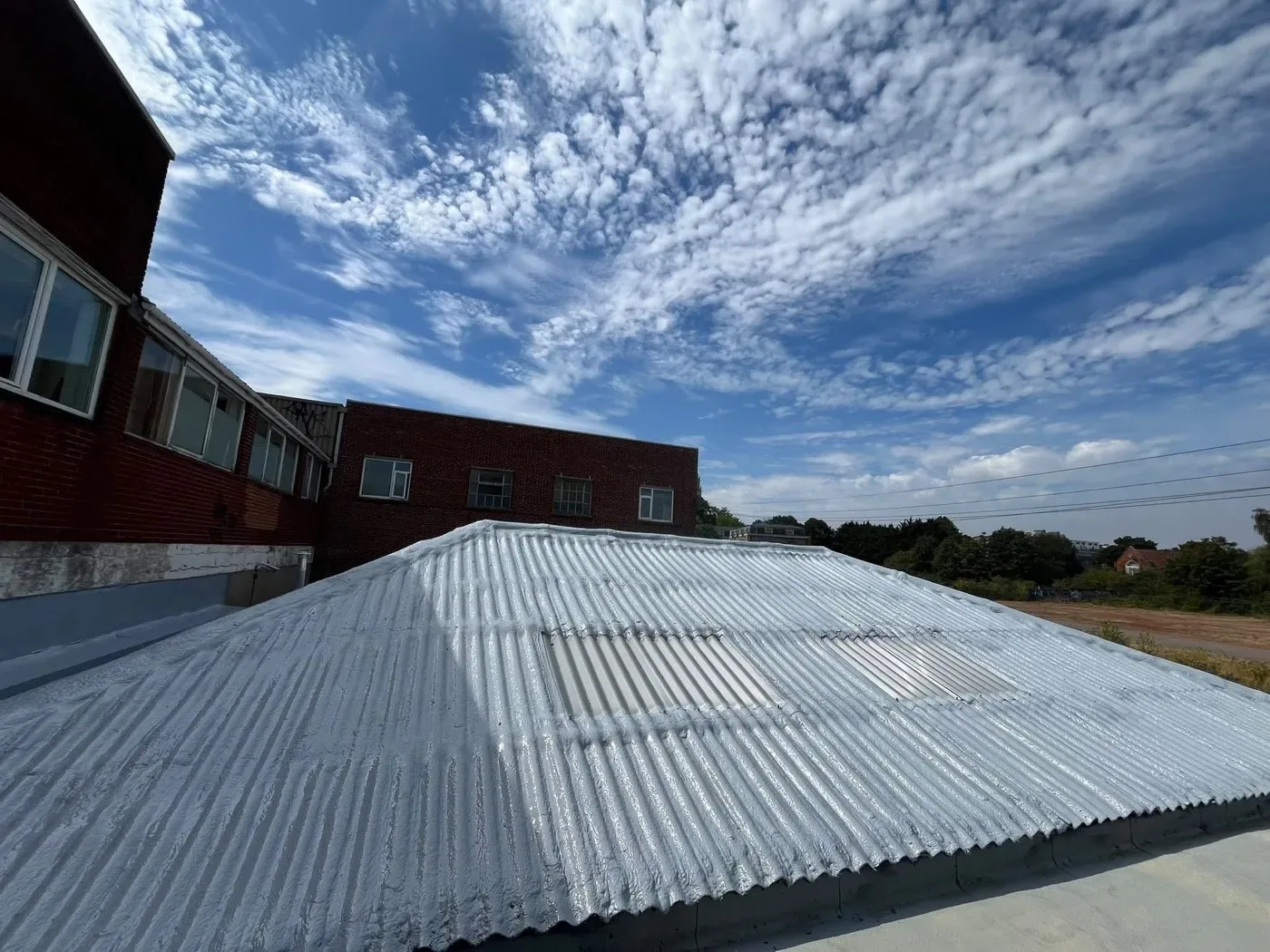 |
Check What the Coating Will Cover
Silicone coating is a liquid-applied roof treatment that cures into a continuous film over a suitable substrate. It is not a replacement for failed insulation, an open penetration or an unstable membrane. We identify the roof materials already present and inspect adhesion, cracks, blisters, seam condition, chalking, dirt and previous coating. If the existing layers are not compatible or firmly attached, another layer may not bond as intended.
Moisture below the surface can remain hidden after coating. Infrared readings may point toward a test location, but a test cut shows the layers at that point. A moisture investigation can help focus openings where the roof history or readings raise a question. We document the sample and any area that remains untested. Wet insulation or a damaged deck must be addressed before it is covered.
Surface preparation matters. We remove debris and contaminants, repair loose details and apply primer when the product system requires it. A test patch can help verify adhesion if the previous coating is unknown. We check seams, drains, curbs, parapets and metal edges because those details may need separate flashing work. A drain review can identify ponding or outlet conditions that coating alone will not change.
Silicone Properties and Limits
Silicone systems are used where the product's performance and the substrate fit the roof conditions. Some formulations tolerate standing water better than others, but a coating does not create slope or correct a blocked drain. We check the depth and duration of ponding, the outlet, and the surface beneath the water. The proposal identifies the product system and details included, rather than rely on a broad claim about every silicone coating.
A film can collect dirt and lose some reflectance over time, and repeated foot traffic can wear or cut it. We inspect around HVAC service routes, ladder landings and equipment bases. If access paths cross the roof, the manager may need to define pads or walkways separately from the coating field. A equipment support inspection can check the curb and membrane at rooftop units before coating work begins.
Compatibility governs recoat work. The installed silicone, prior acrylic or other surface may need special preparation or removal before a new product can bond. We review product records, test adhesion and identify any areas where a different repair system is needed. A coating restoration review can compare recoat with membrane replacement when the existing roof remains sound.
Bellevue Rain and Roof Timing
July and August are the region's comparatively dry stretch, while measurable rainfall is common on roughly 18 days in January and November. That seasonal pattern can help schedule silicone application, but the roof must meet the product's cure and moisture requirements. We check conditions at the building before beginning.
Crossroads combines shopping, restaurants and services with nearby apartment complexes and established residential areas. A coating project there can require protection for entrances, rooftop ventilation and occupied rooms. On a Crossroads commercial roof, we confirm delivery access, work hours and which areas below need notice. The sequence is set for the actual property rather than its neighborhood label.
Wilburton is an active redevelopment area where plans include future office, medical, retail, hotel and residential uses. At a Wilburton property, site access may change as adjacent work progresses. We confirm the approved staging area and maintain a clean route to the roof. The district's planned building mix does not establish the membrane or its coating history; inspection does.
Repair Before Recoating
Before coating, we repair open seams, loose flashings, punctures and damaged transitions with compatible materials. If insulation is wet, we remove or rebuild the affected area rather than coat over it. The work scope shows which repair is included, where a separate trade is needed and what must remain exposed for testing. A coating layer cannot bridge every movement joint or stabilize a loose assembly.
Drain bowls and scuppers need to remain open. We protect outlets during application and check their edges after work. Where water stands at a low point, the owner may need slope or outlet correction before coating. We show that work separately from the coating system. If the roof has widespread damage, a replacement scope can compare removal and new membrane with localized restoration.
Some roofs can be restored without a full tear-off when the substrate is sound, dry and compatible. Others need removal because of trapped moisture, weak attachment or repeated failure. A reflective acrylic system has different application properties, while TPO membrane uses welded sheet seams. We compare the roof and project requirements before selecting either approach.
Application Controls
The crew prepares only the roof area that can be coated and protected under the available conditions. We stage materials, shield drains and air intakes, and apply the coating at the specified rate and thickness. Field checks track coverage and reinforcement at seams or transitions. A uniform color does not show whether the required film thickness has been achieved, so records and measurements matter.
Weather changes can interrupt preparation, application or cure. We check the roof, ambient conditions and product requirements before starting a section. If conditions become unsuitable, we protect the work and leave the roof in a secure state. In Bellevue, the wet season increases the value of a dry-in plan, while summer scheduling still depends on the actual forecast and substrate.
Product instructions and the approved project scope set the needed primer, film thickness, reinforcement and cure checks. We inspect the existing finish and test adhesion where the coating history is unclear, then document the result before applying the next layer.
Track the Restored Roof
Closeout identifies the coating system, preparation, repairs, application areas and any zone left untreated. Photos show drains, seams, curbs, parapets and repair details. The manager receives a marked plan and a record of test openings or conditions that remain unresolved. That baseline can help distinguish a later puncture from a repair that needs another look.
Maintenance should clear outlets, observe coating wear and note new penetrations or traffic damage. A maintenance check can record changes by roof zone and follow the system's service requirements. For a Bellevue property in a mixed-use district, access planning and tenant coordination remain part of each visit.
To assess silicone coating in Bellevue, provide the address, roof history, prior coating information, leak locations and access window. We will inspect the substrate, adhesion and drainage, then document whether repair, recoat or replacement fits the roof.
Commercial Roofing Questions
Can silicone coating fix ponding water?
A coating follows the roof shape and does not create a new drain path. We inspect the outlet, low area and substrate, then identify any slope correction separately from coating work.
Can you apply silicone over another roof coating?
The existing coating and substrate need compatibility and adhesion checks. We inspect the layers, prepare a test area when needed and identify any material that must be removed first.
How do you protect a silicone coating from rooftop traffic?
We map equipment service routes and identify where walkway pads or protection may be needed. Maintenance staff should use the agreed paths and report any cut or wear promptly.
Is Bellevue's summer the best time to recoat?
The drier season can create a wider planning window, but surface moisture and product cure conditions set the application date. We check the roof and forecast before opening a section.
What needs repair before a silicone application?
Open seams, failed flashing, punctures and wet material need separate attention. We define those repairs and confirm the remaining surface can accept the selected coating system.