

Inspect Bellevue commercial roof edges, coping, gutters and downspouts for loose joints, overflow and water entry, then define the repair area.
A brown streak below a coping joint can start with a small gap at the top of the parapet. Wind-driven rain runs behind the metal and follows the wall before anyone sees water inside. We check the cap, splice plates, cleats and wall transition, then trace the mark to its likely entry point. Bellevue's cool-season rain gives a loose edge detail repeated chances to send water into the assembly. The scope should identify the metal section and membrane connection, not simply call for more sealant. | 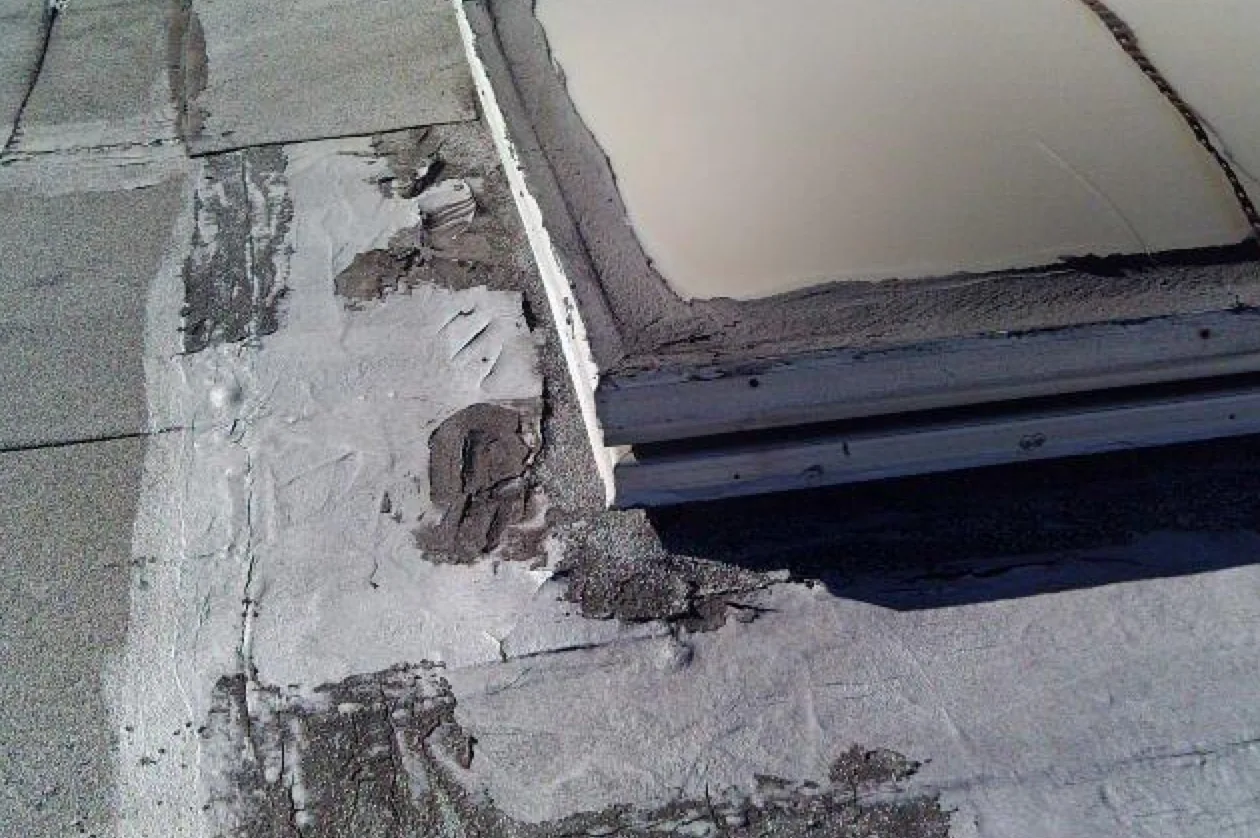 |
The Edge Assembly
Roof edges move with temperature, wind and building operations. Coping caps should shed water beyond the outside face while joints and attachments stay secure. We inspect for shifted sections, open seams, corrosion, loose cleats and split sealant. A cap may look seated from above while its inside leg has lifted. Photos from the roof and wall side help locate the break.
The membrane must turn up the parapet and connect with the edge metal. We look for a pulled termination, wet transition, open counterflashing or patch that hides an attachment. A coping repair alone may leave the membrane exposed. If water follows a seam into the roof field, a flashing repair may be part of the scope.
Gutters and downspouts handle another part of the rain path. We check pitch, hangers, end caps, outlets, seams and discharge points for blockage or overflow. A drainage inspection can address interior drains and scuppers. The repair record identifies which component moves the water.
Clues at the Wall and Eave
Water marks below a parapet corner, rust at a fastener or a loose metal edge each points to a place for inspection. None proves the full path alone. We compare the roof condition with stains on the wall, ceiling or soffit and note when they appear. Wind-driven rain may expose a joint, while gutter overflow can leave a separate track outside. The evidence determines what we open or test.
Nearby Sea-Tac normals show 5.78 inches of January precipitation and 0.60 inch in July. That wet-season pattern puts edge laps and drainage details through repeated rain before summer drying. At a high-rise or mixed-use property in Downtown Bellevue, we also plan for occupied space below and public areas near the perimeter.
Some edges use gutters; others use scuppers through a parapet. We confirm the arrangement and where discharge goes. Overflow may come from blockage, damaged components, poor pitch or a restricted downspout. The scope flags any plumbing or drainage review beyond roofing work.
Repairing Metal and Membrane Together
A durable repair starts by identifying how the edge was built. Metal profile, substrate, fastener pattern and membrane termination affect the repair method. We may reset or replace a loose section, rebuild a joint, renew a cleat attachment or repair the membrane beneath the cap. If corrosion has reduced the metal or the supporting wood is soft, a surface bead does not restore that support. The proposal states what can be seen and what further opening may reveal.
We inspect nearby roof seams, corners and penetrations before closing the edge. On single-ply roofs, the membrane and metal transition must be compatible with the system and properly secured. On metal roofs, panel movement and the standing seam termination affect how the perimeter detail behaves. A standing seam roof review can account for panel attachment and movement. If the concern extends into the field membrane, a commercial repair scope can define adjacent work as a separate item.
Replacement quantities depend on the length and condition of the edge, access, metal profile, attachment surface and transitions to corners or roof openings. A replacement assessment may be appropriate when repeated edge failures accompany broad roof deterioration. We document which sections are repaired, which remain serviceable and where water testing or additional access is still needed. The manager can compare options by area instead of treating every linear foot as the same condition.
Building Access and Perimeter Protection
Edge repairs put workers above sidewalks, entrances, loading areas and neighboring property. We plan tie-off locations, controlled work zones and debris handling before removing a cap or gutter. For a mixed-use building in the Spring District, deliveries and pedestrian paths may need coordination with building staff. In Wilburton, planned office, medical, retail and hotel uses make it useful to identify which entrances and tenant areas are active during the repair. The site plan should reflect the building as it operates that day.
We ask for roof hatch instructions, perimeter access limits, loading details and the preferred work window. If a section has to be opened, the crew protects the exposed edge and sequences the work so the building is not left with an unprotected joint. Cool-season rain can interrupt preparation or metal work, so the schedule includes a weather check and a safe stopping point. We do not leave a loose cap or open membrane transition exposed while waiting for a later visit.
Work may be completed in sections to keep entrances or loading routes available. The manager receives notice of active roof zones, noise or access restrictions and any temporary closure below the work. Photos document the condition before and after each section. If a gutter outlet or downspout is disconnected during repair, the plan identifies when it is restored and where runoff is directed in the meantime.
What the Repair Record Shows
Closeout identifies the metal profile repaired, attachment work performed, membrane transition addressed and any length left for later planning. Photos show the joint, corner or outlet in context. The written scope separates roofing work from unresolved drainage, wall or interior conditions. That record can prevent a future service call from starting with guesswork about which edge section was replaced and what detail remained outside the work limit.
A roof maintenance visit can look for shifted caps, open joints, loose gutter hardware and debris at leaders before prolonged rain returns. For multiple assets, a condition report can connect edge photos with the roof plan and follow-up items. The check should include the inside and outside faces where access allows, since water can travel behind metal before it becomes visible in an occupied room.
For edge metal or gutter work in Bellevue, send the building address, location of the stain or overflow, roof history, photos if available and access window. We will inspect the metal, membrane termination and runoff path, then identify the repair boundary and any condition requiring further testing.
Commercial Roofing Questions
Can a coping cap cause a leak even when it looks secure from the roof?
Yes. The inside leg, splice or cleat may have shifted where it is hard to see from above. We check the full profile and compare it with the wall or ceiling report before setting the repair limit.
Should a gutter overflow be handled by a roofer?
The roof connection, pitch, hangers, seams and outlet are roofing details we can inspect. A blocked or damaged downstream leader may need separate attention, so the scope identifies where the roof work ends.
Can you seal the coping joint without replacing the metal?
That depends on metal condition, joint design and attachment. We inspect movement, corrosion and the membrane transition first. Sealant is useful only when the underlying detail is sound and the product fits the joint.
What should we send before the first visit?
The address, affected edge or room, recent rain dates, roof and gutter history, available photos and access requirements help us prepare. For an occupied building, include the permitted work window and any perimeter restrictions.