Inspect standing seam metal roofs in Bellevue for panel movement, clip failure, open transitions, corrosion and leaks around rooftop penetrations.
A narrow water track at a standing seam can start where a panel moves against a curb or wall detail. For a Bellevue commercial roof, we inspect panel seams, clips, fasteners, transitions and penetrations together before calling the condition a leak. The nearby lowland climate brings frequent cool-season rain and only modest normal snowfall, so runoff paths and edge details deserve more attention than a heavy-snow assumption. We trace the entry point and document what the metal roof can support. | 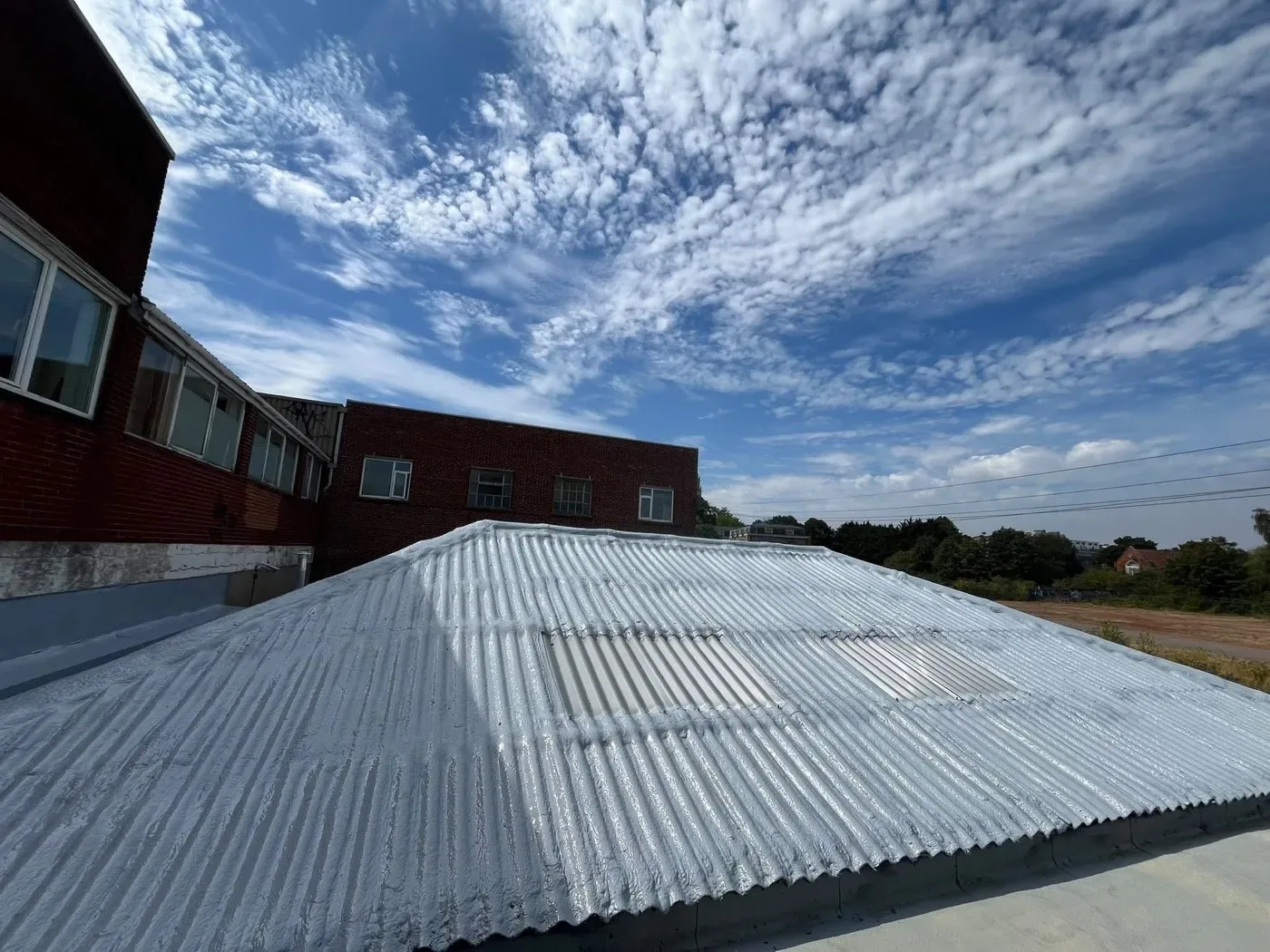 |
Panels, Seams and Movement
Standing seam panels join along raised seams, with concealed clips often allowing the metal to move as temperatures change. We inspect panel alignment, seam engagement, end laps, clip lines where accessible and the transitions at ridges, eaves, valleys and walls. A panel that shifts or binds can stress a fixed penetration or end detail. Oil canning may be a visual characteristic of sheet metal and does not by itself establish a leak or structural defect.
Fastener and clip conditions matter at the perimeter and where the system meets another material. We check for loose or missing fasteners, worn washers, corrosion, open sealant and metal that has pulled away from the substrate. The inspection notes which parts are visible and which concealed attachments require records or selective opening. A roof condition review can map panel runs and relate an interior report to the roof above.
Metal panels expand and contract, so repairs need to preserve movement where the system is designed to allow it. A rigid seal placed across a moving joint can split or hold water at the seam. We identify the panel profile, finish and existing detail before choosing repair materials. At skylights or pipe penetrations, a flashing inspection checks whether the curb or boot can move without separating from the roof.
Finding the Entry Point
Water may travel along a panel rib or framing before appearing inside. We compare the reported room and timing with roof slopes, seams, fasteners and nearby wall connections. An interior stain narrows the search but does not prove the seam immediately above it is responsible. We look for water marks, displaced metal, an open transition or a drainage obstruction that supports a particular route.
Penetrations can interrupt a long panel run and create a place where flashing and movement meet. We inspect curb corners, pipe boots, skylights, conduit and rooftop equipment supports. A support review can check whether the metal roof interface is stable around a unit or pipe. If a damp area may extend below the panels, readings can help identify test points; an opening is needed to confirm the substrate and insulation condition.
Drainage on metal roofs depends on panel orientation, slope, valleys and outlets. We look for debris at gutters, scuppers and valleys, along with damaged metal that can divert water behind a flashing. A drainage check can include the outlet and the metal detail that carries water toward it. The repair scope identifies each part so gutter cleaning does not get confused with panel or flashing repair.
Panel and Flashing Repairs
A small hole, loose fastener or damaged flashing may be repairable if surrounding panels remain secure. We identify the metal finish and install a compatible detail that preserves panel movement. If a clip has shifted, correction may be needed before sealing.
Rust or coating loss should be evaluated for extent, not covered without preparation. We inspect whether corrosion is superficial or has affected the panel, fastener or metal edge. If a panel is perforated or distorted, a local patch may not restore the intended joint. A repair plan records the metal condition and identifies when panel replacement or broader restoration should be compared.
Metal roofs often have different layers and attachment from membrane systems. If the building is being re-roofed, we assess the existing panel, deck, insulation, drainage and height at curbs before selecting an overlay or replacement. A recover evaluation can determine whether the current assembly is suitable to remain. If large sections need rebuilding, a replacement scope sets the panel and transition details for the full roof.
Local Access and Weather
Sea-Tac's normal snowfall is 6.3 inches a year, including 1.8 inches in January and 2.2 in February. That modest lowland profile puts roof drainage, panel joints and edge closures ahead of heavy-snow assumptions. We inspect those details and check the forecast before removing flashing or opening a panel.
Downtown Bellevue includes high-rise offices, hotels, shopping and mixed-use buildings. Metal roof work at those properties may need delivery coordination, reserved access and notice to building staff. The Downtown Bellevue service area contains a range of property types, so our access plan starts with the actual roof hatch, loading route and occupied areas below. We protect those routes while materials are moved.
Bridle Trails lies between SR 520 and I-405, with commercial and office uses along its southern edge as well as schools and public facilities. A roof visit near Bridle Trails may involve a different parking and access pattern than a downtown site. The district's location helps orient a property manager; the roof plan and on-site contact determine where the crew can stage and how the metal panels will be reached.
Replacement and Project Details
A replacement starts with verifying panel profile, slope, support framing and existing layers. We confirm underlayment, drainage path, clips or fasteners, perimeter edge and connections at walls and equipment. If the work adds insulation, height changes can affect gutters, curbs and door thresholds. We include those transitions in the design review and coordinate with project contacts before panels are ordered or removed.
Panel gauge, clip spacing and attachment requirements come from the project's design documents. We coordinate the metal roof scope with those specifications and confirm that field measurements match the approved layout.
During work, we keep the roof protected as panels and flashing are removed. The active area receives temporary weather protection, and completed sections are checked at ridges, eaves, valleys and penetrations. Closeout photos mark the finished details and any condition that remains to be monitored. The manager receives the panel and material information needed for future service.
Keep the Metal Roof Serviceable
Maintenance can look for shifted panels, loose fasteners, sealant failure, debris in valleys and gutters, and damage after later equipment work. A maintenance visit can mark changes by roof zone and note any area that needs metal repair. We do not assume a standing seam roof is maintenance-free; access and inspection should follow the roof design and property use.
If a building has an exposed-fastener roof rather than raised seams, a metal retrofit assessment may be more relevant. For a different roof assembly, modified bitumen and BUR have layered sheet construction. We identify the existing system before recommending work.
For a Bellevue standing seam inspection, share the address, roof plan, leak location, panel or repair records, equipment changes and access window. We will check the seams, clips, metal transitions and drainage, then describe the repair or replacement scope supported by the roof findings.
Commercial Roofing Questions
Does a dent in a standing seam panel mean the roof is leaking?
A dent or oil canning can be visible without an open seam. We inspect the panel, clips, finish and nearby transitions for a pathway that could admit water.
Can a standing seam panel move without causing a leak?
Some systems allow panel movement at concealed clips. We check whether seams and end details remain engaged and whether a fixed penetration is restricting the panel.
How do you repair a leak at a metal roof curb?
We inspect the curb, panel cut, flashing and adjacent ribs, then select a detail that fits the metal profile and movement. The work boundary includes any open transition near the curb.
Should we coat a standing seam metal roof?
Coating is only an option after checking panel attachment, corrosion, seams, drainage and surface preparation. We identify repairs that must happen first and confirm product compatibility with the existing finish.
What should Bellevue managers inspect after equipment service?
Look for new fasteners, disturbed flashing, debris and scuffs near the work route. We can revisit the roof and compare changed details with the panel and repair records.