

Commercial roof inspections, leak repair and replacement planning for Newport, Bellevue properties with documented scopes for site teams.
Newport is one of Bellevue’s neighborhood planning areas and has an adopted neighborhood area plan. The city is updating policy for housing, transportation and local development. Bellevue’s comprehensive plan groups Newport with adjoining Factoria and Eastgate employment centers. For a commercial roof project in this area, we begin with the individual building, its current service record, roof plan and access contact and the exact roof section involved for review. For Bellevue, the lowland station’s yearly precipitation average is near 39 inches; winter is substantially wetter than midsummer. We consider that background when checking drains and flashing, then rely on the roof’s observed condition to define the issue. The first step is an access-confirmed roof walk and a defined commercial roof repair scope where supported. | 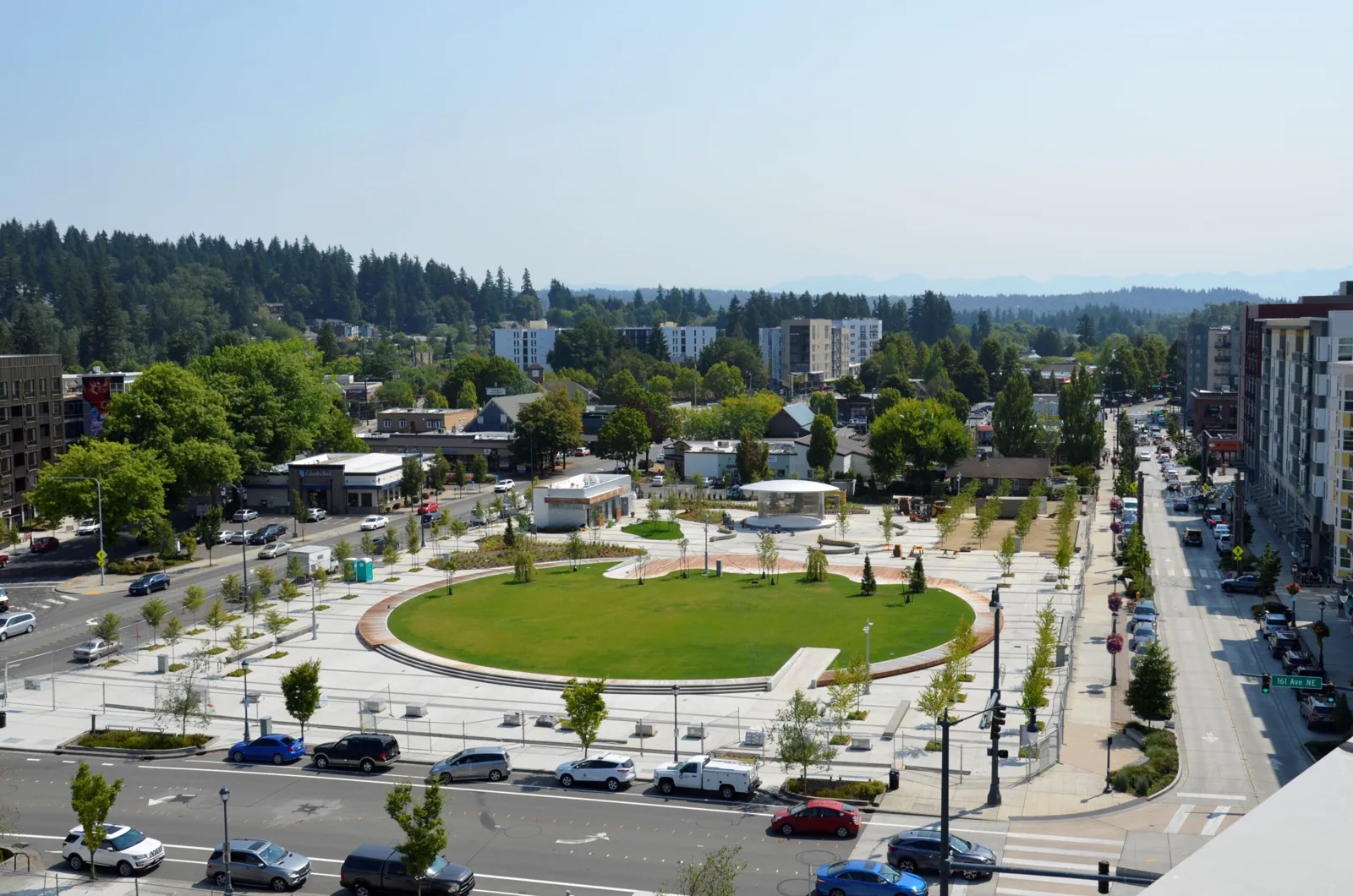 |
Start With the Building, Not the Planning Boundary
Newport’s neighborhood plan and its place alongside Factoria and Eastgate give portfolio teams planning context across nearby districts. For roof work, we identify the specific address, roof plan, prior repairs, leak history and access contact before including a section in the scope. We confirm whether the building contains additions, equipment changes or separate roof sections that need individual review.
Before the walk, the facilities contact approves entry, escort, parking, staging, work hours and restrictions near occupied space. If the roof route crosses a tenant or secure area, we arrange an authorized escort. A section outside the approved route stays marked as uninspected until the owner grants access.
Trace the Reported Condition Across the Roof
We ask where water appeared inside, when the report was made and whether temporary protection is in place. On the roof, we inspect the related seams, drains, curbs, penetrations, wall transitions, edge metal and visible repairs. The interior mark may not be directly under the opening. Photos are tied to a roof-zone reference and compared with the plan where one is available. Any area blocked by equipment or outside the approved route is marked as uninspected.
Winter months in Bellevue bring more precipitation than midsummer, and average overnight temperatures can approach freezing. Those conditions make it useful to note water at a drain or edge, but they do not prove a defect. We document the roof condition observed on the inspection date. If concealed moisture could change the repair limits, we can propose a test location and restoration method for owner approval. A roof condition report preserves the findings and limits for future review.
Review Drainage and Roof Transitions
We inspect drain inlets, overflow routes and low areas near the reported problem, along with flashing at walls and rooftop equipment. If water remains after rain, the report states where it was seen and whether the outlet was accessible. A clear strainer does not by itself prove the roof drains across the full area. If an outlet or piping issue requires another trade, we identify the roof-side condition and the coordination needed.
An overflow scupper, drain bowl and roof edge are checked as separate parts of the water route. We note whether insulation, a walkway or equipment limits the view and whether recent work may have changed flashing. If a leak report followed a storm, its date and duration help compare the interior symptom with conditions on the inspection day. Photos are labeled to the roof plan so the next facilities reviewer can locate the same zone.
For a recover, existing layers, attachment and finished height at curbs and drains should be checked before selecting a new assembly. A tear-off requires a sequence for exposing and protecting the deck. We identify what can be confirmed visually and what needs testing or removal to assess. A separate drain and scupper service can define work at water collection points. Any recommendation remains tied to the building and roof section inspected, not the neighborhood plan.
Compare a Local Repair With a Larger Scope
A puncture, open seam or flashing failure may be addressed with a local repair when the surrounding material can support a compatible tie-in. We inspect adjacent conditions and record whether earlier patches or visible wear affect the work. If the defect repeats across several areas or moisture remains unverified, testing may be needed before the owner decides how broad the repair should be.
When inspection findings suggest wider deterioration, a replacement assessment can set tear-off limits and review deck, insulation, drainage and sequencing. TPO roofing or another system can be evaluated against the actual roof and design requirements. Timing and cost can depend on access, material staging, work-hour limits, penetrations, weather protection and whether the property stays occupied. We make those assumptions visible so the owner can compare scopes fairly. If the building is occupied, schedule windows and interior protection can affect sequencing. A site visit helps confirm those details before a final price or work date is set.
Keep Newport Findings Within the Local Plan Context
When a portfolio includes several planning areas, we keep the Newport inspection, access approvals and roof history under the Newport address. The property owner confirms the building’s current use, access and maintenance history before work is scheduled.
If the owner manages other Bellevue sites, a separate roof visit can be scheduled in Factoria or Eastgate. A multi-site roof program can coordinate records and appointment windows, while each address retains its own inspection findings and approvals. Newport’s roof section, repair status and access contact should remain clear in its individual file.
Document the Work for Future Reviews
Closeout identifies the Newport address, roof section, observed condition, work completed, photographs and any issue that remains unverified. If approved testing reveals moisture or deck damage, the report identifies the sample location and restoration method. If a section could not be inspected, that boundary is listed rather than described as clear. The owner can keep the report with the property’s maintenance tickets and plans.
A Newport record is most useful when the next reviewer can identify the roof section, observed condition and completed work under the correct address. Send the address, roof plans, leak notes, earlier repairs and access instructions. We will identify what can be established during the visit and whether a repair, test or larger assessment is the next supported step.
Commercial Roofing Questions
Do you provide commercial roofing service in Newport?
Yes. We confirm the property, review the reported condition and inspect approved roof areas before defining repair or testing options.
Does the neighborhood plan determine the roof work?
No. Planning documents provide local context. The building’s roof condition, records, access and project needs determine the roofing scope.
Can you inspect roofs near Factoria and Eastgate?
We can schedule those properties separately. Each address receives its own access confirmation and roof record.
What if a roof area is inaccessible?
We record the area not reached and identify what approval or access change is needed for another inspection.
What records should I provide before a roof review?
Share the address, roof plan, service history, reported room, leak timing and the person authorized to approve access.