

Assess SPF roofing in Bellevue for wet substrate, foam damage, coating wear, drainage and penetrations before selecting repair or restoration.
A small bare spot in an SPF roof can expose foam that was meant to stay under a protective coating. On a Bellevue building, we inspect the coating, foam, drains and penetrations together, then determine whether damage is local or has reached the underlying assembly. The cool-season rain makes open coating and wet foam a concern during repairs. We check the surrounding surface and close each work area with a compatible system rather than leave the foam exposed. | 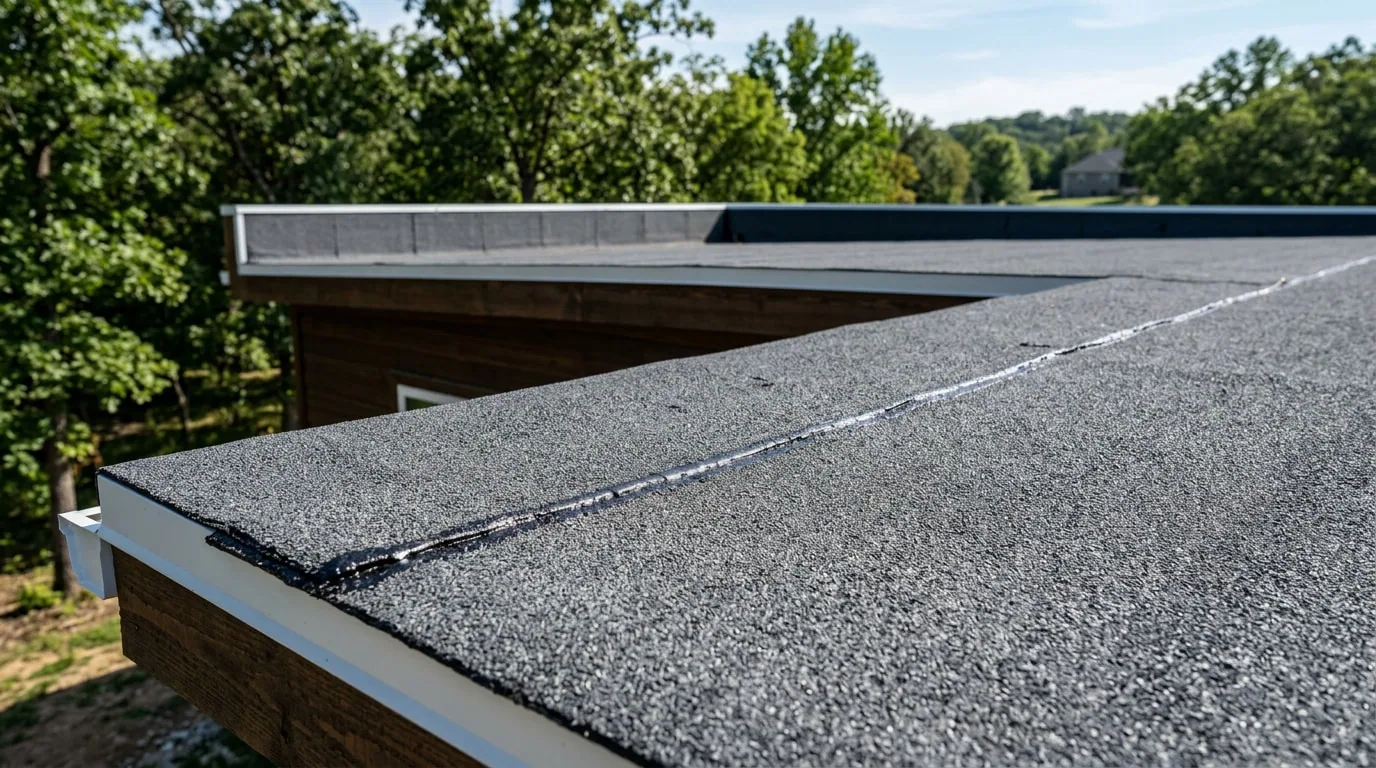 |
Foam, Shape and Protective Coating
Spray polyurethane foam creates a continuous layer that can follow the roof shape and form slope toward drains. It is protected from ultraviolet exposure and weather by a coating system. We inspect coating thickness where records allow, adhesion, cracking, blisters, exposed foam, soft areas and repairs. The surface can look uniform from a distance while pinholes or a split at a curb provide a path into the foam.
Foam condition below the coating matters. We check whether the surface is dry, firm and bonded, then note spots that require a small opening or further testing. A coating applied over wet or deteriorated foam can cover the evidence without correcting the problem. A moisture survey can help identify candidate areas for testing. The written report distinguishes coating wear from confirmed damage to the foam or deck.
SPF can follow roof contours to form slope toward drains and equipment. We trace the water path and check whether a low spot has developed or a drain is obstructed. A drainage assessment can address outlet condition and nearby coating. At pipes and curbs, the coating and flashing need to remain continuous; a penetration inspection can locate a weak transition before it expands.
Where Damage Starts
Service traffic can compress or cut foam around rooftop equipment. A dropped tool, loose fastener or later installation may puncture the coating and expose the foam beneath. We inspect walk paths, support pads, curb corners, repair edges and areas where water remains after rain. The owner receives a roof plan marked with each damaged zone and any question that needs an opening.
Windblown debris and maintenance work can abrade the surface. We check whether coating has worn through, whether foam is crumbling and whether prior repairs have bonded. If the roof has several layers of coating, the next application needs a compatible surface and preparation plan. A condition inspection records the coating and transitions before larger restoration is considered.
Local water reports need to be matched to roof evidence. We note the interior room, date, rainfall and equipment above it, then trace possible paths to drains, curbs and repaired spots. An interior stain may appear away from the opening. If the foam is saturated or the deck has changed, a topcoat alone is not a repair; we outline removal and reconstruction limits based on testing.
Repair and Recoat Decisions
A small coating breach may be cleaned, prepared and repaired with compatible foam and coating. If foam is damaged, the affected material needs removal to a sound boundary, new foam, shaped transitions and protective coating. We photograph the area as each layer is rebuilt. A patch should blend into the existing roof and preserve drainage rather than leave a ridge that holds water.
Recoating can extend service when the foam is dry, well bonded and still provides a suitable base. We inspect adhesion, coating thickness, existing repairs, drains and exposed foam, then identify preparation and reinforcement requirements. If the coating is failing broadly or foam is wet across several zones, restoration may not resolve the assembly condition. We compare a replacement scope with localized repair and restoration options.
SPF differs from sheet membranes. Silicone coating and acrylic coating have different properties and product requirements. A TPO membrane is a separate assembly with welded seams. We compare the building's substrate, drainage, exposure, roof access and maintenance history before recommending a system.
Bellevue's Seasonal Work Window
At the nearby lowland station, December and January daily averages sit near 42 degrees Fahrenheit, with typical overnight lows around 37 to 38. That mild winter still leaves roof surfaces vulnerable to moisture; we verify the foam is dry and check the forecast before repair or coating.
Crossroads is an east Bellevue center for retail, restaurants, services and nearby housing. For a Crossroads roof visit, we confirm access through the property's loading and customer areas and protect occupied rooms below. BelRed includes former warehouse properties, office, institutional space and transit-oriented redevelopment. A project in BelRed may have its own staging and tenant requirements. We inspect each roof rather than infer foam condition from district use.
The Spring District's planned office, housing, retail and public space make site coordination important for a roof project in an active mixed-use area. We arrange delivery and roof access with the site's contact, then keep open foam limited to the section that can be repaired and protected. The Spring District service area requires the same condition-based repair planning as other Bellevue roofs.
Application and Protection
Before spraying or coating, we protect intakes, equipment, roof drains and areas below the work. The substrate must be clean and dry, and application conditions need to meet the chosen product requirements. We stage material and equipment so the crew can finish and protect the day's work. If weather or surface condition changes, the open area is secured before work pauses.
Application needs a continuous pass, controlled thickness and attention to edges. We inspect around curbs, pipes, drains and wall transitions for voids or thin areas. Coating application follows the specified coverage and cure conditions; visual color alone does not establish thickness. The work record notes the system, preparation, repair locations and any area left uncoated so the manager can see exactly what was addressed.
Bellevue's 2021 International Code editions have governed local permits since March 15, 2024, with Washington and city revisions included. We coordinate the SPF scope with the approved project documents and verify foam condition in the field.
Protect the Roof After Repair
Closeout records coating and foam repairs, drain conditions, test openings and roof areas that were not opened. Photos show transitions and surface changes before they are covered. The building manager can compare a later leak or service mark with the repaired zone and decide whether a new inspection is needed.
Routine checks can look for bare foam, new cuts, coating cracks, debris at outlets and damage around supports. A maintenance visit can record those findings and help catch a small breach before water enters the foam. At a Bellevue office or retail property, we schedule access around active areas and keep the report tied to the roof plan.
For SPF roofing in Bellevue, send the address, roof history, coating records, leak location, repair details and access window. We will inspect the coating and foam, identify where testing is needed and outline repair, restoration or replacement based on the confirmed condition.
Commercial Roofing Questions
Can you coat over exposed spray foam?
Exposed foam needs inspection for moisture and damage, then the surface must be prepared and protected with a compatible system. We repair damaged areas before applying a coating over them.
How do you know whether SPF is wet under the coating?
Readings can point to test locations, and a small opening confirms material condition at that spot. We mark the sample and explain which areas remain untested.
Can another coating be applied over an older SPF roof?
The existing coating must be compatible, bonded and suitable for preparation. We inspect for cracks, blisters, exposed foam and moisture before comparing recoat with removal or replacement.
Will spray foam correct a low area on our Bellevue roof?
Foam can be shaped to direct water when the roof design and drain locations support that approach. We check existing slope, outlet conditions and transitions before specifying new foam.
How do you protect an occupied building during application?
We coordinate access, protect intakes and areas below, and keep the work section within a secure daily limit. The schedule identifies any odor, equipment or access restrictions for building staff.