

Church roofing in Bellevue needs leak tracing and work planned around services, gatherings and building access. We document repair options clearly.
A water mark in a sanctuary or gathering room can interrupt a service and raise questions about the roof above. We begin with the building contact’s report, check when the leak appears and inspect the related roof area. The source may be a seam, drain, curb or wall transition, and the interior mark may sit away from the opening. We note the difference between a visible failure and a likely path. We document the visible condition and explain what still needs confirmation before setting the repair boundary. Downtown Bellevue has a dense mix of commercial and mixed-use buildings, while Crossroads serves east Bellevue with shopping, services and cultural activity beside residential areas. Churches in these settings may have different parking, delivery and event routines. We ask about service times, community gatherings, classrooms and access rules before considering commercial roof repair or broader work. | 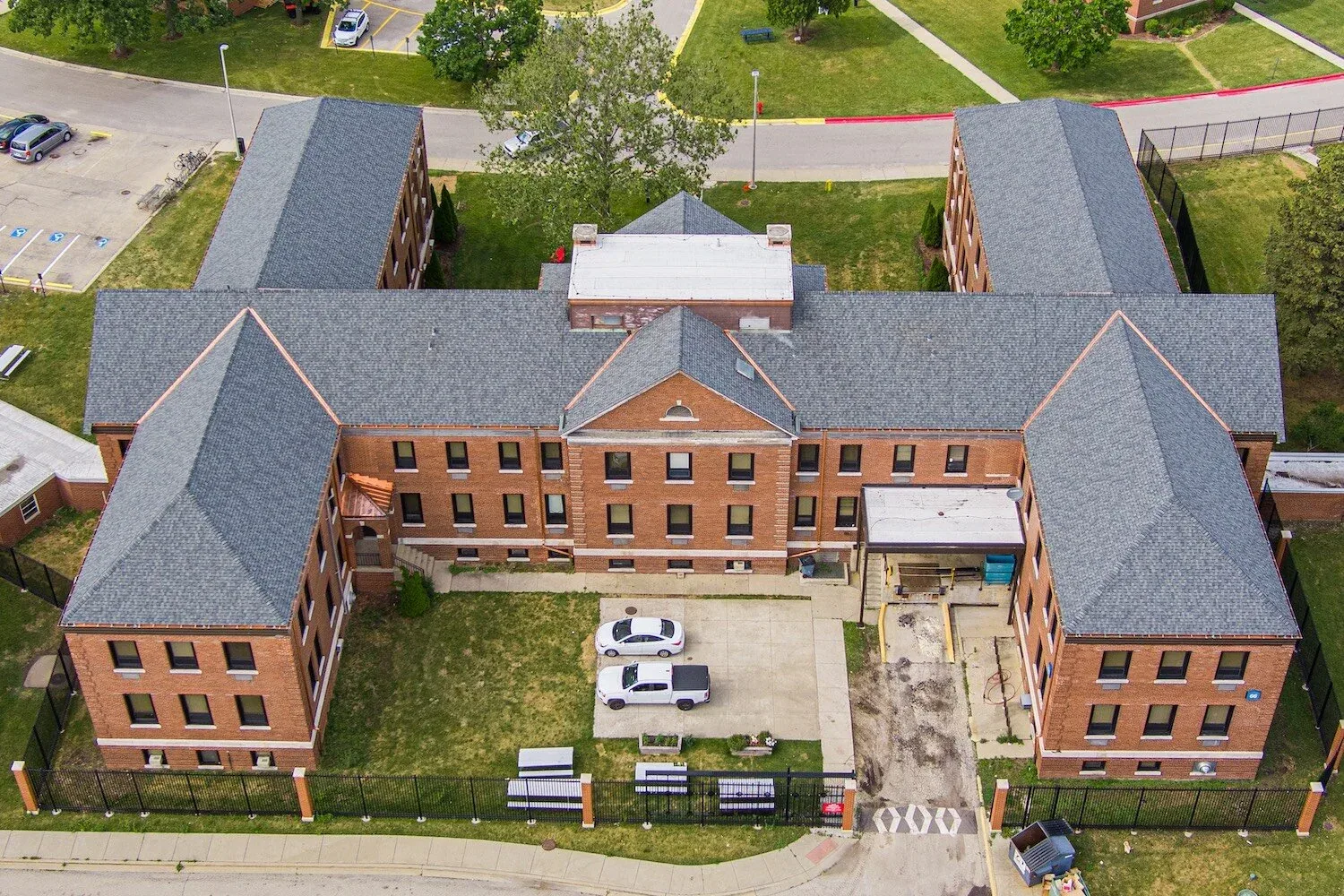 |
Find the Roof Path Above the Interior Mark
We ask which room is affected, whether several areas report water and what the weather was doing when it began. A roof plan helps connect the interior report with drains, seams, penetrations and parapet edges. On the roof, we inspect the likely path and nearby membrane, then take photos of any open flashing, puncture, lifted patch or ponding area. If the source is not clear, we say so rather than treating a ceiling stain as proof.
Older repair records can help show whether a detail has returned after previous work. We compare those notes with the current surface condition and identify what may need a test opening. The church contact reviews any proposed interior access or roof opening before it happens. If problems repeat across multiple sections, a replacement assessment can compare a broader plan with targeted repairs and explain the evidence behind each option.
Schedule Work Around Services and Gatherings
Before work, we ask when the building is occupied, where services and events take place and which entrances need to stay open. The contact confirms roof access, parking, staging, volunteer or staff movement and spaces that require protection from noise or dust. If the roof is above a gathering area, management can coordinate interior notices and decide whether work should happen while the room is empty.
A localized patch may fit between scheduled activities. Larger removal can be divided into sections with a defined dry-in plan and a secure stopping point before the next gathering. Class schedules and student movement shape school roofing; public-service hours and entry procedures affect government building roofing. The church’s calendar and access rules set the work sequence, including volunteer use of shared rooms.
Inspect Drains, Skylights and Roof Edges
Church buildings can have sanctuaries, classrooms, offices and fellowship spaces under different roof sections. We check drains, overflow paths and low areas, plus flashing around vents, skylights and mechanical curbs. A leak on one side may have a different cause from a recurring mark near another roof transition. We note whether the surface is holding water and whether a nearby seam or flashing detail appears disturbed.
If a new layer is proposed, the finished height must meet drain bowls, parapets and equipment curbs. We review the existing assembly and identify where insulation or deck conditions need testing. If a drain or scupper is a confirmed concern, drain and scupper work can be scoped with the membrane repair. Any electrical or mechanical access is coordinated with the person responsible for the facility systems.
Keep Entrances and Community Use in Mind
We confirm the contractor check-in, roof route, approved parking and material drop point before a visit. The building contact identifies service hours, scheduled groups, food deliveries, childcare or other activities that affect the work area. We agree which doors remain open and how to keep people away from staging or overhead work. For a larger project, each daily section needs a planned close and a point of contact who can receive updates.
Crossroads includes shopping, cultural activity and services alongside nearby apartments and homes, while Downtown Bellevue’s commercial core has offices, hotels and retail. Surrounding activity can affect curb access and parking, but the congregation or facility team confirms the property’s own rules. A Crossroads roof inspection begins by confirming the event schedule and safe route to the roof, then setting a visit window that does not conflict with building use. We also confirm who can authorize roof access, who should receive progress updates and where temporary barriers can be placed around materials or tools. We also agree on who will meet the crew, who can answer questions during the inspection and how the building will be secured when work pauses.
Leave Clear Notes for the Facility
After repair, the contact receives photos, roof location, work performed and any condition still needing observation. If testing found wet insulation, the note identifies where the opening was made and how it was restored. A simple roof map can connect the reported room with drains, curbs and past repairs, helping a volunteer or future manager follow the same area without starting over.
A roof condition report can help organize immediate leaks and longer-term maintenance across several buildings. If replacement is indicated, we can assess EPDM roofing or another compatible assembly after checking deck, insulation, attachment and drainage. Send the Bellevue address, room affected, service calendar, access rules and roof history. We will document what can be confirmed and identify the next practical decision.
Commercial Roofing Questions
Can roof work be scheduled around weekly services?
Yes, when the facility contact shares the service calendar and approves the work area. We can plan smaller repairs between gatherings or phase larger work around key dates. The crew follows the confirmed access route and secures each section before leaving.
How do you locate a leak in a sanctuary?
We start with the interior location and timing, then inspect the roof details above and nearby. Water may move through the assembly before it appears indoors. Photos and a marked roof location show what was confirmed and what may need testing.
Will the roof inspection disrupt a church event?
We coordinate with the building contact about event times, entrances, parking and noise-sensitive areas before scheduling. The inspection route and any material movement are approved in advance. If conditions change, we update the contact before expanding the work area.
Can an isolated leak be repaired without replacing the roof?
Often, if the defect is clear and surrounding membrane, flashing and insulation remain serviceable. We inspect the nearby area and explain whether the repair can stay local. Repeated failures or moisture across a larger zone may support a broader scope.
What should we provide before a roof visit?
Share the Bellevue address, affected room, service and event schedule, roof access rules, and any available plans or repair history. Identify spaces that need protection or must remain open. We will confirm the visit window with the facility contact.