Auto dealership roofing in Bellevue needs clear showroom, service-bay and delivery access. We inspect leaks and document practical repair phases.
A car displayed under a wet ceiling creates a problem for the sales floor and the service team at the same time. We begin with the dealership’s report and identify whether the issue is above sales, parts, offices or the shop. Then we inspect the roof detail above and nearby, checking seams, drains, curbs and wall edges. Bellevue’s rainy season can keep a weak flashing point under pressure, so the repair should follow evidence on the roof rather than the first ceiling mark. Factoria belongs to Bellevue’s Eastgate and Factoria business district, where offices, retail and redevelopment sit near I-90. Downtown Bellevue combines major retail, hotels and offices. A dealership in either area may have different customer access, service traffic and vehicle storage requirements. We ask about the showroom calendar, repair-bay schedule and delivery windows. We also check whether a recent equipment service or roof repair is relevant to the current report before proposing commercial roof repair. | 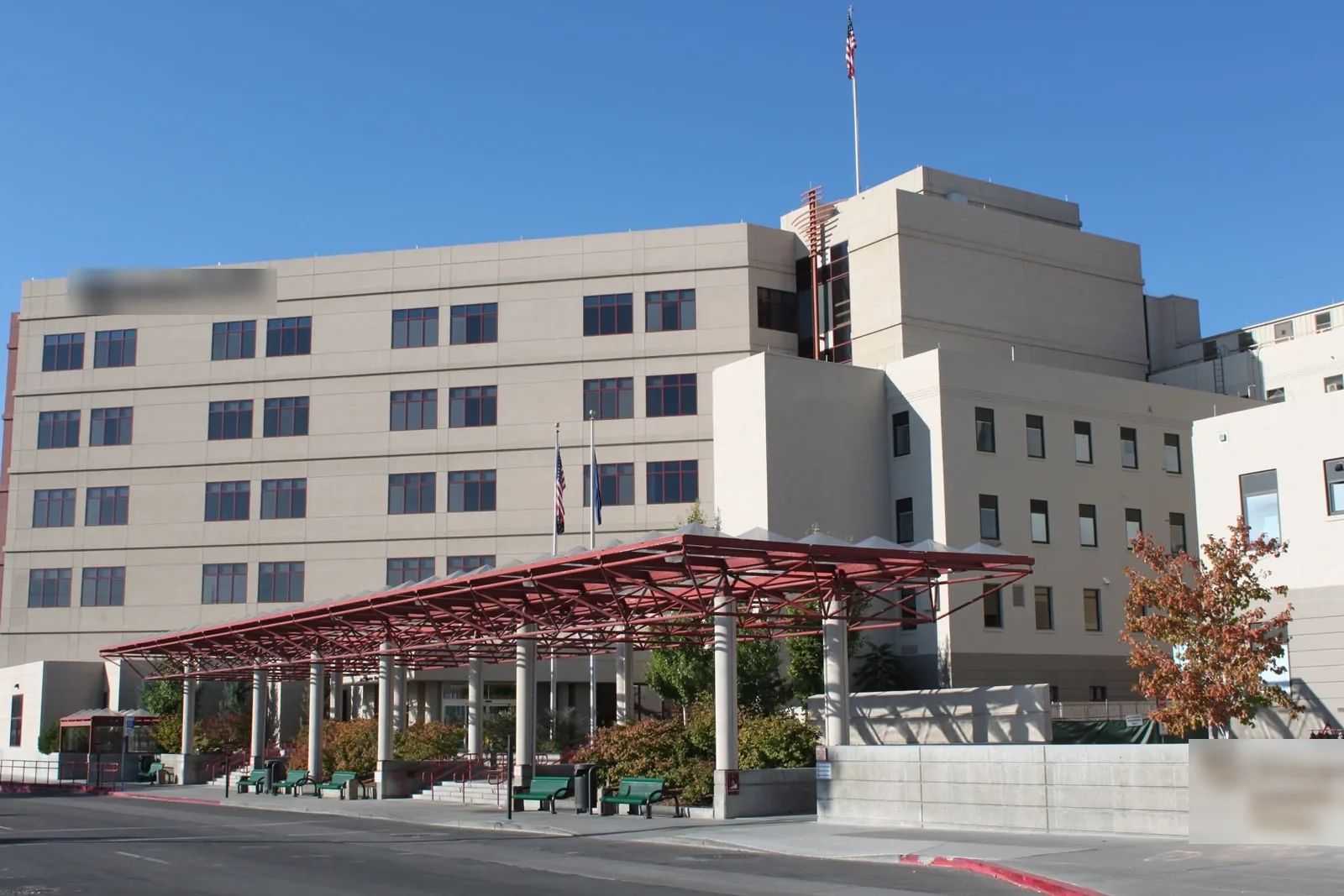 |
Locate the Leak Above Sales or Service
Water can run along a roof deck before it reaches the floor, so we ask exactly where the first sign appeared and whether it changes during rain. A roof plan can help locate the nearest drain, seam, skylight, equipment curb or exterior transition. We inspect the likely area and photograph any open lap, puncture, lifted patch or standing water. If the source is not visible, the report says what remains uncertain instead of assigning a cause from the interior alone.
Dealership roofs may have HVAC units, exhaust fans, lighting, signs or other penetrations added over time. We check flashing around those openings and note any maintenance path that may have worn the membrane. If a test opening would determine whether insulation is wet, we identify the location and restoration plan first. A broader replacement evaluation can follow when multiple areas show recurring failure or testing confirms a system-wide concern.
Keep Showroom and Service Access Open
Before mobilization, we confirm showroom hours, service appointments, vehicle receiving and the routes used by customers and technicians. The manager identifies where lifts or material deliveries can stage without blocking entrances, parking or the service drive. If work is above a bay, staff can help arrange a vehicle-free zone and protect tools or equipment below. A larger roof project is divided into sections with an agreed dry-in point and daily closeout.
For a small repair, the crew may be able to isolate a detail while sales and service continue. Removal or deck work may need a narrower window, especially if vehicles must be moved or service equipment kept clear. A light-industrial property has different production and storage patterns, as with flex-industrial roofing; a self-storage facility manages unit and customer routes, as in self-storage roofing. The dealership contact sets the operational limits for this roof.
Check Drains and Equipment Curbs
We inspect drain strainers, bowls, overflow routes and low areas near the reported leak. At rooftop units and exhausts, we check curb corners, flashing and the membrane around service access. A drain can be clear at the top yet have a low spot around it that holds water. If a recover changes roof height, the drain and edge details need to meet the finished surface without blocking access or creating a new path.
Dealership technicians may need to service units during the day. The manager identifies which equipment requires a technician, shutdown approval or an escort. Roofing crews do not operate mechanical or electrical systems. If a curb or equipment support needs attention, we describe the roof work and any separate coordination. A curb and equipment scope can be scheduled with the membrane repair when the dealership approves it.
Plan Around Deliveries and Customer Traffic
We confirm contractor check-in, roof access, approved parking, vehicle routes and material staging before the crew arrives. The dealership contact identifies new-car deliveries, parts shipments, service rushes, events and any period when customer circulation cannot be narrowed. If temporary barriers are needed, the property decides where they can go and how staff will direct traffic. Each day ends with the roof secured and the work area returned to the agreed condition.
Factoria’s business district and nearby I-90 access can shape deliveries, while downtown properties may share parking or loading facilities with neighboring tenants. Those local conditions do not replace site approval. A Factoria roof inspection starts with the dealership’s specific entry and vehicle movement plan, then confirms which roof section can be reached without crossing active service operations. We also identify the employee who can approve a vehicle move, receive progress updates and reopen the service lane after the crew finishes.
Document Work for the Dealership Manager
Closeout photos and notes identify the roof zone, defect, repair and any area left for observation. If a test opening finds wet insulation or deck damage, the record says where it occurred and how the opening was restored. This gives the manager a clear basis for follow-up and lets service staff distinguish a roof issue from an interior equipment concern.
A roof condition report can group repairs, recurring details and longer-term capital needs across multiple dealership properties. If replacement is indicated, TPO roofing or another compatible assembly is reviewed against deck, attachment, drainage and use. Send the Bellevue address, affected department, service schedule, roof plan and prior repair history. We will document the findings and recommend the next step.
Commercial Roofing Questions
Can dealership roof repairs happen during service hours?
Many contained repairs can be coordinated while sales or service is open if the manager approves staging and the crew can avoid active vehicle routes. Larger work may need phases or a quieter window. We confirm the showroom and service schedule before mobilizing.
How do you trace a leak over a service bay?
We start with the bay and timing of the report, then inspect roof drains, seams, curbs and penetrations above. Water may travel before it drips inside. We record visible evidence and explain when a test opening would help establish moisture extent.
Will you need to move vehicles for roof work?
The dealership decides which vehicles or equipment need to move from the work area. We identify the roof zone and any interior exposure in advance so the manager can plan. Material staging and barriers are coordinated with customer and service traffic.
Does one leak require replacing the dealership roof?
No. A localized repair may be suitable when surrounding material remains sound. We inspect nearby seams and flashing, review repair history and test when needed. If the failure extends across several areas, we explain the broader evidence and options.
What dealership details should we share before inspection?
Provide the Bellevue address, affected area, service and delivery schedule, roof access rules, equipment restrictions and repair records. Tell us which vehicle routes or customer areas must remain open. We will confirm the visit window and staging plan.