

Inspect and repair storm-related commercial roof damage in Bellevue. Document open seams, displaced metal, blocked drains and areas needing further testing.
A loose edge, fallen branch or ceiling stain after a storm needs a roof check before the property manager can set a repair scope. We start with the reported area, inspect the roof edge and drainage, and note which conditions are visible or still hidden. Bellevue receives much more normal rain in the cool season than in midsummer, so an opening that goes unnoticed in a dry week may admit water when the next rainy stretch arrives. The visit should leave the manager with a location and next action. | 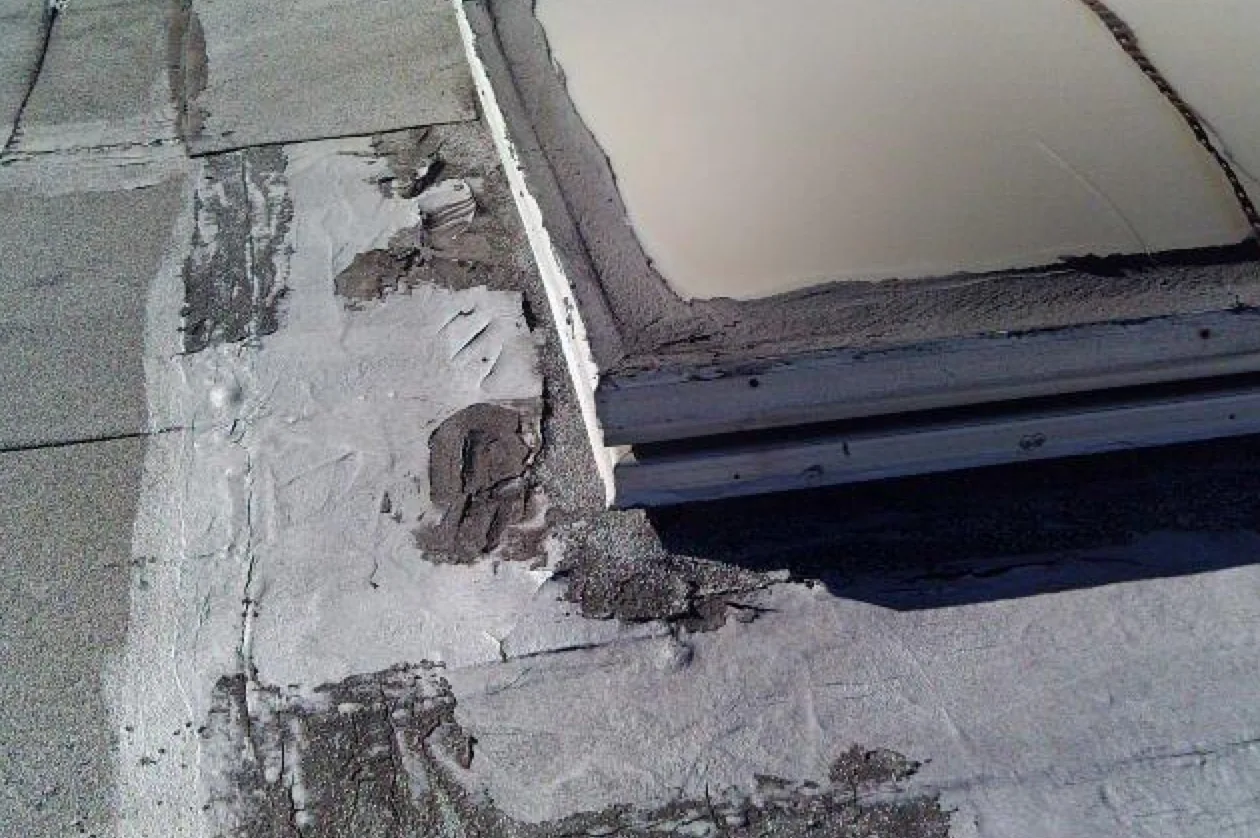 |
Immediate Protection
If water is actively entering, protect the room and equipment below without sending staff onto a wet roof. We coordinate safe access with the property contact and check whether a temporary cover or interior protection is needed. Emergency response is available around the clock, weekends and holidays. If roof conditions are unsafe, we secure reachable areas and return when a full inspection can be completed safely.
Water can travel under a membrane or along a deck before showing inside. We compare the ceiling location with drains, seams, parapet corners, penetrations and roof-to-wall transitions. A temporary measure is recorded separately from permanent repair, so the owner knows which exposure remains and what work still needs authorization. If the source is uncertain, a leak investigation follows the rain path rather than treating the stain as the opening.
Sea-Tac's January normal is 5.78 inches of precipitation, compared with 0.60 inch in July. That contrast is useful for deciding when to inspect or repair, but it does not show whether an individual roof suffered storm damage. We record the date, reported conditions and the details seen at the property.
Visible Damage
After wind or heavy rain, we check membrane laps, edge metal, gutters, drains, scuppers, rooftop equipment and flashing around skylights. We look for a lifted seam, displaced metal, puncture, loose debris, broken curb flashing or water held at an outlet. Photos show both the detail and its location on the roof plan. A broad image can help with orientation, while close views document the repair area.
Bellevue's lowland winter temperatures typically sit near the low 40s, with average overnight lows in the upper 30s. A wet detail may face occasional freezing conditions, but we do not label a split or lifted section as freeze damage without field evidence. We record the material and opening, then identify whether further testing is needed to understand what lies underneath.
Where a storm report includes snow, we review drainage and visible deformation, then compare the condition with the building's plans and design criteria. Sea-Tac snowfall is measurable but modest, not a substitute for the roof's structural design. Loading concerns or deflection need review by the appropriate design professional; the roofing inspection documents the surface and details we can reach.
Findings and Claim Documents
A useful storm record distinguishes what is damaged from what needs more investigation. We identify the roof section, photograph the condition, mark its repair boundary and note whether nearby materials appear affected. If the assembly remains closed, the report says what could not be confirmed. We avoid dating a defect or attributing it to a specific weather event unless available evidence supports that statement.
For a larger property, separate records help keep a downtown tower, retail roof or redevelopment building from being confused with another asset. Downtown Bellevue combines high-rise offices, hotels and mixed-use buildings; BelRed includes former warehouse properties and redevelopment. These facts shape access conversations, not a diagnosis of roof condition. We identify the actual building and roof zone.
If the owner needs a claim file, a roof claim record can organize inspection photos and the measured repair scope. A condition report can preserve the findings with open items and later repairs.
Repair Scope
Repair follows the observed roof system. A puncture may need a compatible patch, an open seam may need a welded or bonded repair, and displaced edge metal may require checking the attachment below it. We inspect adjacent surfaces and drain paths so water is not directed toward an unaddressed opening. If the roof contains wet insulation or damaged cover board, test openings can help define material removal.
Repair limits depend on membrane type, access, number of affected details, roof traffic, building operation and what appears when material is opened. We describe assumptions and separate temporary protection from permanent work. Recent equipment service or vendor access should be compared with the date the leak or surface change was first reported. Where damage is widespread, a commercial roof repair plan may need a broader inspection before quantities are finalized. If the assembly is broadly worn or wet, replacement planning can compare a full project with staged repairs.
Work near loading bays, tenant entrances or occupied blocks requires a site plan. We coordinate material staging, warning zones and the work window with the manager. If weather interrupts the repair, the active area receives a temporary tie-in before the crew leaves.
After the Repair
At completion, we identify what was removed, repaired or left for testing, with photos tied to the roof plan. The manager receives a clear record of temporary measures removed and any section still needing follow-up. A maintenance visit can check the repaired detail after later rain and review nearby drains or laps. If water returns, the manager can note the room, time and active weather, then connect that report with the repair location. A dry interior on the day of closeout does not test the roof through a later storm.
For storm damage in Bellevue, share the address, event date, leak location, roof history, site contact and available access window. We will inspect the reported area, identify immediate protection needs and prepare a repair scope based on conditions found at the building.
Commercial Roofing Questions
Can you cover a roof opening before the full repair is planned?
Temporary protection may be appropriate when access is safe and the detail can be secured. We record what was covered, what remains exposed and when the permanent repair should be reviewed.
Will the inspection tell us exactly when damage occurred?
A roof surface may show a condition without establishing its date. We document visible findings and compare them with the owner's records, while marking timing or cause as unresolved when evidence is limited.
Should we inspect after a storm even if the ceiling is dry?
When loose material, debris or an open detail is reported, an inspection can document present conditions whether or not an interior leak has appeared. We note any area that needs a rain check.
Can repair begin before an insurer inspects the roof?
The owner can arrange urgent protection to limit ongoing water entry, then coordinate inspection and documentation. We record temporary work and keep permanent repair scope distinct for the claim file.