

Prepare Bellevue roof inspection findings, photos and repair scopes for an insurance claim. Keep observations tied to building, roof section and date.
A ceiling stain after a week of rain can start an insurance question before the property manager knows which roof detail failed. We inspect the reported area, document visible conditions and prepare a repair scope that identifies the affected building and roof section. Nearby Sea-Tac normals show 5.78 inches of rain in January, compared with 0.60 inch in July. That is seasonal context, not proof of damage at a particular address. The property's records and current inspection support the claim file. | 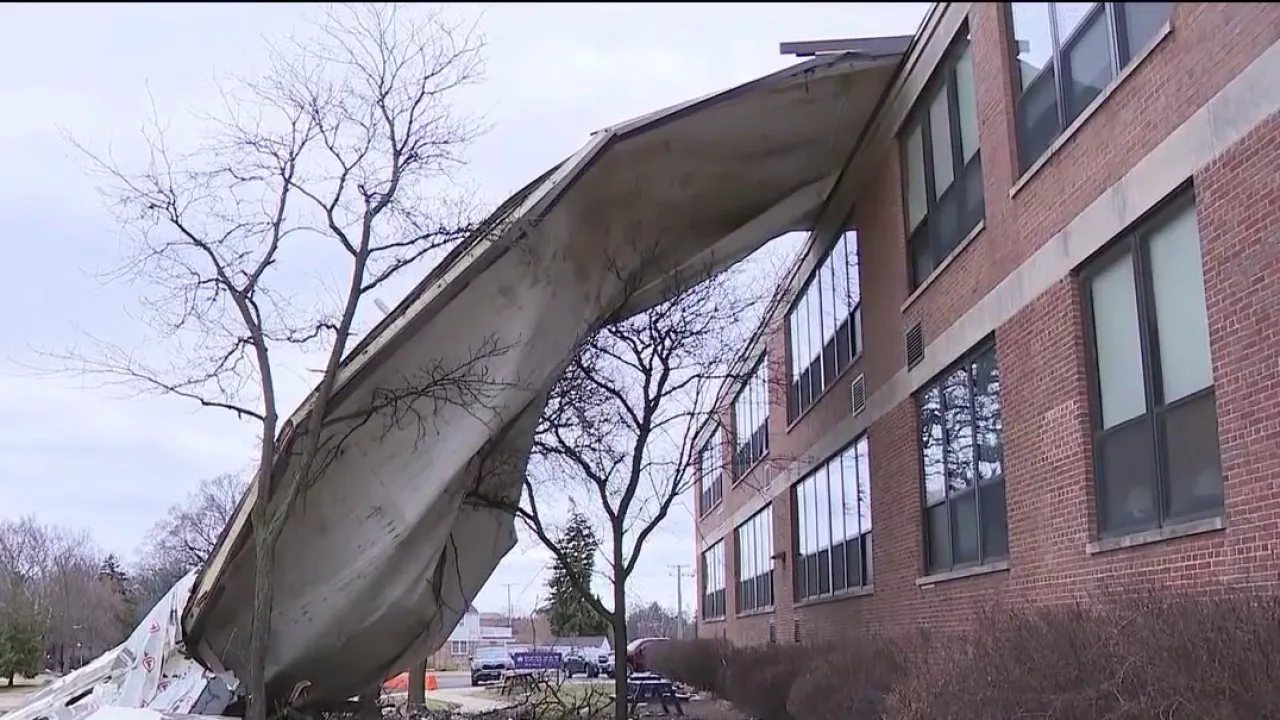 |
Claim File Materials
Before the visit, gather the Bellevue address, building use, date the condition was first noticed, tenant or room reports, roof plans, prior repairs and maintenance notes. If several buildings are involved, label each one separately. The site contact can arrange hatch access, identify restricted areas and explain whether equipment service or another roof visit occurred around the same time.
Older photographs and work orders help compare the roof before and after a reported event. They do not automatically establish cause, but they can show which seam, curb or drain was already under repair. We note document dates and connect them with current findings. If the manager has an active leak, we plan the inspection around interior protection and the roof detail that may be letting water through.
BelRed has former warehouse properties alongside offices, creative businesses and institutional space. Downtown Bellevue has high-rise offices, hotels and mixed-use buildings. Those building types can have different access, tenant and record systems. We identify the actual property and keep each photo and repair item attached to its roof plan.
Roof Observations
We inspect the reported zone and connected details, including membrane laps, drains, parapet corners, equipment curbs, penetrations and perimeter metal. A photo should show enough surrounding area to locate the detail, plus a close view of the condition. We mark where water remains, where material is open and which sections could not be reached. The report separates a visible opening from a hidden condition that requires testing.
A stain may appear away from the roof entry point. We trace a likely rain path across the assembly and check nearby transitions instead of assuming the closest roof feature caused the leak. If moisture below the surface could change the repair boundary, infrared readings may help select test locations, while a test opening confirms the materials at that point. A moisture survey may be appropriate when a surface walk leaves that question open.
Cool-season moisture can keep a roof detail wet through multiple days. The property manager can tell us when water appeared inside and whether the mark changed during rain. We compare that report with the roof condition, but do not assign a date or cause beyond the evidence. A commercial roof inspection provides a broader record when multiple roof areas may be involved.
What the Report Establishes
The report describes the roof system we can verify, the observed condition, photographs, roof-plan location and repair boundary. It identifies completed temporary protection separately from permanent work. If an area remains hidden or inaccessible, the record says so and identifies what additional inspection would establish. This lets the property manager share useful facts without presenting an estimate as a coverage decision.
For a Downtown Bellevue tower or a Spring District mixed-use building, roof records may involve several management or facility contacts. We identify the building and roof level in each image so reports and work orders stay with the right asset. Location context informs coordination; the roof inspection still determines what is present.
If a storm or weather event is part of the file, the owner can retain its date and any available event documentation. Sea-Tac climate normals describe seasonal precipitation, not the rainfall that reached a specific roof during a claim event. We use the building's timeline and roof evidence when describing findings.
Repair Scope and Estimate
A repair scope states what material will be removed, what detail will be rebuilt and how the repair boundary will be checked. We list access, tenant notice, staging, weather limits and any area that requires testing before quantities can be finalized. If the roof has more than one damaged zone, each is identified separately rather than folded into a single vague line item.
Cost and schedule depend on roof system, affected area, height, access, material availability, weather and concealed conditions. An estimate can state its assumptions and explain what changes if wet insulation or deck damage appears once the roof is opened. If the issue is limited, a commercial repair plan may address it. If the assembly is broadly worn, a replacement assessment can compare larger options.
We can explain our inspection observations and how the proposed work addresses them. The insurer reviews the submitted claim under its policy and determines coverage. The property owner manages claim submission and communication, while our record focuses on the roof and repair requirements.
Inspection and Site Access
If a carrier representative, consultant or adjuster will inspect the roof, the manager can coordinate a shared access time when practical. We identify the route, hatch, required tenant notice and any restrictions on photographs. A joint visit can help everyone refer to the same roof section, while the property manager remains the point of contact for access and building operations.
Eastgate and Factoria combine office properties with Bellevue College nearby. That mix may mean workday traffic, loading needs and separate building contacts. We coordinate the actual property's schedule and do not assume access to one roof covers another. Where a lift, ladder or tenant notice is required, we include it in the visit plan.
If active water requires temporary protection before the claim review, we document that work and preserve photos of the exposed condition when safe. The manager should retain the date, material used and location. Permanent repairs can then be scoped after the inspection establishes what remains exposed or needs testing.
Closeout Record
After repair, closeout photos and notes identify the materials addressed, the repaired detail and any open item. The claim record and building maintenance file should retain the same roof location. Later inspection can compare the repaired area with the original condition and identify whether a new report concerns the same boundary or another detail.
For a Bellevue claim review, send the address, building use, reported date, interior leak location, roof history, site contact and access window. We will document observed conditions, prepare a measured scope and identify questions that still need direct testing. A claim file is only useful when the building and section can be found later.
Commercial Roofing Questions
Can you tell us if the insurer will cover the roof repair?
The insurer determines coverage under the policy. We inspect the roof, document conditions and explain the repair scope so the owner can submit an accurate record.
Which documents help before a claim inspection?
Roof plans, maintenance notes, prior repair invoices, dated photos and the first report of interior water help establish a timeline. Label each building and section when the property has more than one roof.
Can your report identify the exact date a seam failed?
A roof may show an opening without establishing when it formed. We document observed conditions and compare them with available records, while stating when timing remains uncertain.
Should we wait for the carrier before stopping active water?
The property manager can arrange temporary protection to limit ongoing damage when safe access is available. We document the temporary work separately from the permanent repair scope.