Commercial roof inspection and leak repair in Olde Town, Issaquah. We confirm access, document roof conditions and define practical work boundaries.
A commercial roof in Olde Town should be inspected by address and roof section, even when a leak seems limited to one room. Issaquah identifies Olde Town as a distinct commercial area and separates it from the Gilman and Highlands business districts. The property contact confirms the building history, roof materials and prior repairs before we set a repair scope. Issaquah provides commercial real-estate information for businesses considering property across the city. For a roof visit, the useful details are the address, roof plan, leak timing and site contact. Bellevue’s nearby lowland climate normal is wetter in the cool season than in July, so we inspect drains and flashing as field conditions warrant. Start with a commercial roof inspection when the condition needs documentation. | 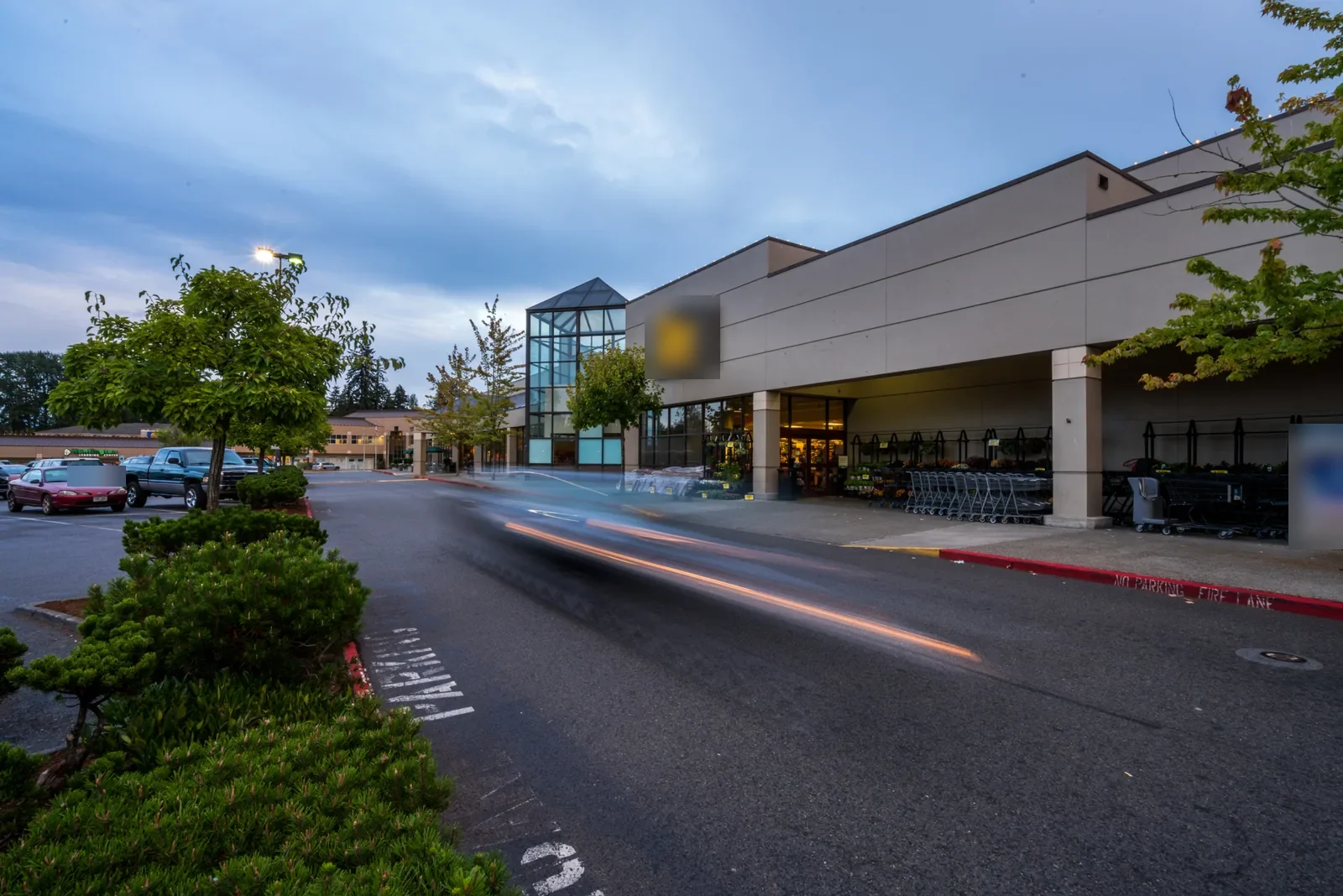 |
Confirm the Site Rules Before the Roof Walk
The property contact tells us where to check in, who can authorize roof entry, where materials may be staged and what hours are allowed. Olde Town is a commercial area, but each building sets its own access and delivery rules. We ask for a drawing, prior repairs, affected room and any area that must stay occupied. If the roof route passes through a tenant space or service corridor, the manager confirms notice requirements and who will be present.
For a multi-property owner, the roof visit remains tied to the Olde Town address, manager’s arrival instructions and approved access. Any restricted hatch, unavailable room or rooftop equipment issue is recorded before inspection begins. If access changes after arrival, we pause at the approved boundary and identify what additional authorization would be needed to complete the review.
Document the Roof Condition Without Guessing
We begin with the water report: where it appeared, when it was noticed and whether the timing relates to rain or another building activity. The roof walk follows nearby seams, drains, overflow paths, curbs, penetrations, parapet corners and edge metal. Water can move between roof layers before it shows indoors, so the visible stain does not by itself define the repair area. Photos and a plan reference help the property manager find each detail after the visit.
On the inspection day, we check where drainage and flashing relate to the reported condition and record which details support the finding. A visual inspection cannot confirm hidden moisture or deck strength. If those unknowns could change the work, we outline a test location, the approval needed and how the opening would be restored. A roof condition report with images can retain the finding and any access limitation.
Keep Commercial Activity in the Work Plan
The owner identifies business hours, tenant paths, deliveries and any space that cannot be interrupted. We agree on where a crew can stage materials and how tools reach the roof. If work is near equipment, an authorized technician controls system shutdown or movement. For a property with more than one occupant, management names the person who can coordinate notice and confirm that the daily sequence remains acceptable.
A larger scope should list the roof area to be opened, the temporary protection in place at the end of each shift and the contact receiving status. Other trades may need to finish a curb, support or penetration before roofing can complete flashing. We identify that dependency instead of assuming another party’s schedule. If weather or a tenant restriction changes the plan, management approves the revised work window before a new area is started. This keeps the project record clear about what was completed and what remains.
Choose a Repair Boundary or Plan Renewal
A seam split, puncture or flashing separation may be addressed with a local repair if the nearby material can accept a compatible tie-in. We inspect the surrounding field and note whether prior patches, edge movement or multiple water reports affect the scope. If only one roof zone is involved, a defined repair may be enough. If repeated defects or concealed moisture could extend beyond it, further inspection may be needed before the owner commits to broader work.
A replacement assessment can review existing layers, insulation, drainage, deck exposure and phasing when renewal is being considered. modified bitumen roofing or another system is evaluated against the building’s actual assembly and project needs. Cost and timing depend on roof area, access, staging, occupied hours, testing and protection during open work. We identify what has been observed and what remains conditional so the manager can compare repair and replacement on a consistent scope.
Keep Olde Town Records Distinct From Other Areas
Each property file carries its own building name, roof sections, photographs, completed repairs, access contact and open items. We list the roof sections, photos, system information, completed repairs, access contact and unresolved items for each building. A portfolio summary can track multiple sites without transferring one property’s condition to another.
If an owner has another commercial property in Gilman or Issaquah Highlands, we can coordinate those inspections as separate appointments. A multi-site roof program can organize review dates and status reports while each site contact approves access. That gives the owner a record tied to the condition found at each address.
Provide a Record the Next Manager Can Use
The closeout describes the building, roof zone, reported concern, visible conditions, work performed and any item still requiring confirmation. If testing is approved, the report identifies the location and restoration. Areas the crew could not reach are named separately from the sections inspected. The property manager can retain that record with plans and maintenance history so a future leak report has a clear point of comparison.
For an Olde Town property, send the Issaquah address, roof plan, room where water appeared, timing, prior work and access requirements. Identify the person who can release the roof route and authorize a test if the inspection supports it. We will document what is visible, define a repair boundary and state whether more information is needed before broader renewal. Those records and the current condition guide the repair, test or broader renewal decision.
Commercial Roofing Questions
Is Olde Town a separate roofing market from Gilman and Highlands?
Issaquah treats them as distinct commercial areas. We schedule and document each property by its address, access contact and roof condition.
Does the district name imply an older roof?
No. The name does not establish a building’s age or system. We review available records and inspect the specific roof before drawing conclusions.
How do you decide which section to inspect first?
The reported room, timing, roof plan and access route guide the first walk. We document related details and identify areas that need separate approval.
Can you complete roof work without disrupting business?
Management sets operating hours, tenant notices and restricted routes. We plan staging and work areas around those approved limits, then secure each open section before leaving.
What should be included in a repair proposal?
The proposal should name the roof zone, work boundary, access assumptions, test needs and any condition that could change after opening. We record those items for review.