Commercial roofing inspections, repair scopes and phased replacement planning for Bellevue public buildings and agency facilities.
A public building may stay open to staff and visitors while a leak is being traced. We start with the facility contact, the affected room and the approved roof route. The inspection follows the report to drains, seams, equipment curbs and wall edges, then records what is visible and where the repair can stop. If a test is needed to establish moisture below the membrane, we identify the location and restoration plan before opening the assembly. Agency staff receive a scope that separates confirmed work from conditions that still need review. Public facilities near Crossroads or Eastgate may have different visitors and operating hours; the agency contact confirms the rules for the building being serviced. A roof visit must account for the building’s own entry rules, public hours and operations. We coordinate those requirements before comparing commercial roof repair with a broader project. | 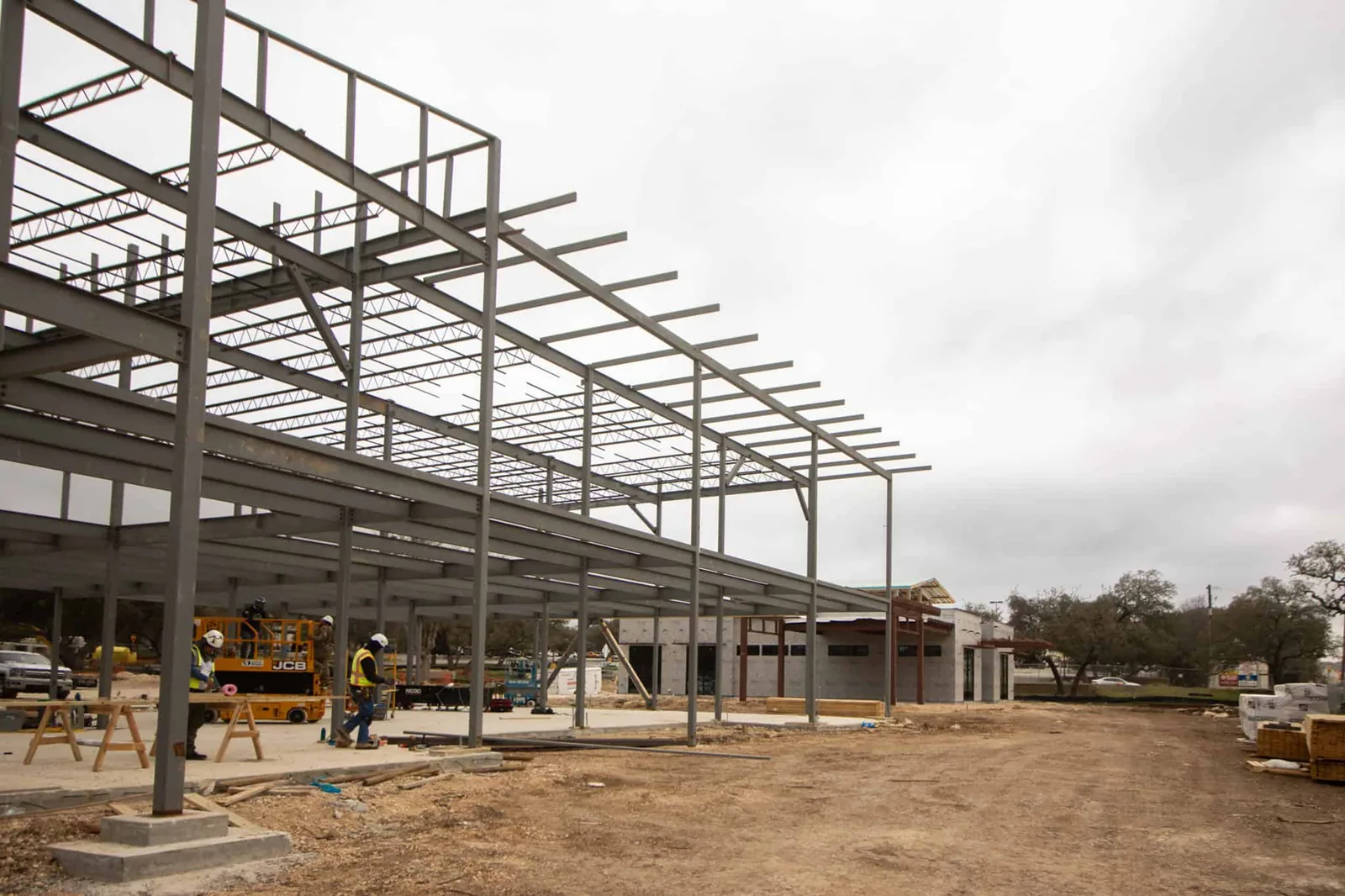 |
Start With the Report and the Building
When staff report water, we ask which address, room, level and date belong to the event. A simple marked plan can connect an interior location with the nearest roof area without assuming that the leak entered directly above the stain. We inspect the related membrane, transitions, drains and nearby penetrations, then photograph the condition. The report notes blocked areas and any limits on access so that a partial inspection is not mistaken for a complete roof review.
Agency records may include earlier service tickets, capital notes, warranty information or contractor invoices. We compare the history with field observations and flag differences that affect the next decision. Where recurring failures or widespread deterioration make a single repair insufficient, a replacement assessment can define the roof sections, removal boundary, deck review and dry-in sequence for review by the owner.
Keep Public Access in the Work Plan
Before work begins, the agency contact identifies public entrances, accessible routes, staff-only areas, emergency access and hours with the highest visitor activity. We confirm where a crew can park, check in, stage materials and move between the roof and ground. If a repair creates noise or limits a walkway, the schedule and temporary route are agreed with the building contact. Larger scopes can be divided into controlled sections with a defined condition for securing the roof before the crew leaves.
A government office, service center and recreation facility do not share one operating pattern. The facilities lead tells us whether a counter, meeting room, public program or delivery path needs to remain available. We can coordinate a phased sequence around the building’s published use, but agency staff retain control of notices and operational decisions. Work notes identify the affected area and the timing needed for the next phase.
Document Drains, Edges and Rooftop Equipment
We inspect drain inlets, overflow routes, low roof areas, perimeter edges and flashing where equipment or conduit crosses the membrane. A clear strainer does not by itself prove that water is moving across the full roof, so we note the surrounding surface and any ponding. New roofing can change finished height at drains, door thresholds and curbs. Those details need to be included when comparing a repair with replacement, rather than left as a field assumption after the work starts.
Public properties may have equipment maintained by separate trades. The agency identifies who can authorize shutdowns or access to mechanical and electrical systems; roofing crews do not operate them. If roof drainage needs its own scope, drain and scupper service can be listed separately from membrane repairs. This helps procurement and facilities staff compare each task to the correct work order and building record.
Coordinate Procurement and Site Contacts
We confirm the person who can approve roof access, escort requirements, site check-in, photography rules and the process for questions during the work. A public owner may also need a defined schedule, insurance documents, safety information or a written work boundary before mobilization. We provide the requested project details for agency review and identify any decision that could change price or schedule, such as concealed deck damage or testing beyond the initial scope.
BelRed combines former warehouse properties with offices and institutional space, while Downtown Bellevue has high-rise offices and mixed-use buildings. Crossroads and Eastgate bring their own parking and visitor patterns. A roof visit in Eastgate begins with the facility’s authorized contact and approved route, just as a downtown project does. Where property teams manage several locations, the agency can use a consistent format with property management teams while retaining a separate decision record for each public asset. If a larger capital project involves envelope, mechanical or interior trades, a general contractor can coordinate its sequence against the roofing scope. We identify interfaces that may affect roof access, temporary protection, penetrations or final flashing, then make those dependencies visible before mobilization. This gives the owner a chance to confirm who is responsible for each adjacent detail.
Leave a Record That Supports the Next Decision
Closeout identifies the building, roof zone, reported condition, work completed and any item that remains unverified. Photos show the relevant seam, drain, curb or perimeter detail. If testing finds wet insulation or a damaged deck, the record states where the opening occurred and how that area was restored. Staff can then connect the roof work to the facility file, maintenance history and future capital review without relying on a general description of the property.
A roof condition report can organize urgent repairs, tests and longer-term recommendations by building. If replacement is under consideration, TPO roofing or another compatible assembly is evaluated against the deck, attachment, drainage and building use. Send the Bellevue-area facility list, leak records, roof plans and access contacts. We will return a scope with a clear work boundary and the decisions still needed.
Commercial Roofing Questions
Can the building stay open during roof repairs?
Often, if the agency approves the work zone and access plan. We identify affected entrances, pedestrian routes, noise limits and the condition required to secure each section before the crew leaves.
What should we provide before an inspection?
A facility address, the reported room or area, leak dates, prior repair notes and any roof plan are useful. The site contact should also share check-in, escort and photography requirements.
Do you inspect more than one agency property?
Yes. We can schedule multiple facilities, but each address receives its own observations, photos and scope so that access limits or roof conditions at one site do not blur another’s record.
When is a test opening necessary?
A test may help when the amount of wet insulation or deck condition would change the repair boundary or replacement recommendation. We agree on location and restoration before the assembly is opened.
Can you prepare a scope for procurement review?
We can document the observed condition, proposed work, access assumptions and unresolved items in a written scope. The agency determines its procurement route and required approvals.